
The Colonial Zone was the first permanent European urban settlement in the Americas and, from the late 15th century onward, became the launching point for Spanish expansion across the continent. From this very place, expeditions were organized, the first governmental institutions were established, and urban models were defined that would later be replicated throughout the Americas. Walking along its cobblestone streets today means tracing the origins of colonial history in the New World—within a compact and easily navigable setting.
One of the greatest attractions of the Colonial Zone is that it is not something you simply visit—it is something you experience by walking through it. There is no single focal point that captures all the attention, but rather a continuous sequence of plazas, historic buildings, narrow streets, and stone façades that maintain a unique visual harmony. Every turn reveals something new: an ancient archway, a wooden balcony, a monumental doorway, or a small square where daily life continues at its own pace. This variety makes the walk dynamic and engaging, ideal for travelers who want to feel the city without depending on strict schedules.
Architecture is undoubtedly one of the main protagonists. The coral-stone buildings, many of them more than four hundred years old, convey a sense of solidity and permanence that is rare in other Caribbean destinations. Unlike smaller or more isolated historic areas, modern life flows naturally among centuries-old structures. The result is a vibrant atmosphere where locals and visitors share the same space, creating an environment that feels authentic rather than staged.
Exploring the Colonial Zone on foot also helps visitors understand how the city was originally organized. The streets follow a logical layout designed to connect plazas, administrative centers, religious spaces, and residential areas. This structure greatly facilitates exploration, as everything is within short distances and the route easily adapts to each traveler’s pace. You can spend an hour on a quick stroll or dedicate half a day to exploring at leisure without ever losing interest.
From a practical standpoint, the Colonial Zone is one of the most efficient areas for urban tourism in the Dominican Republic. Its central location and pedestrian-friendly design make it ideal for those prioritizing budget travel and well-planned itineraries. For travelers who value simple logistics, here are a few key details to consider when organizing your visit:
Colonial Zone
Santo Domingo, DO
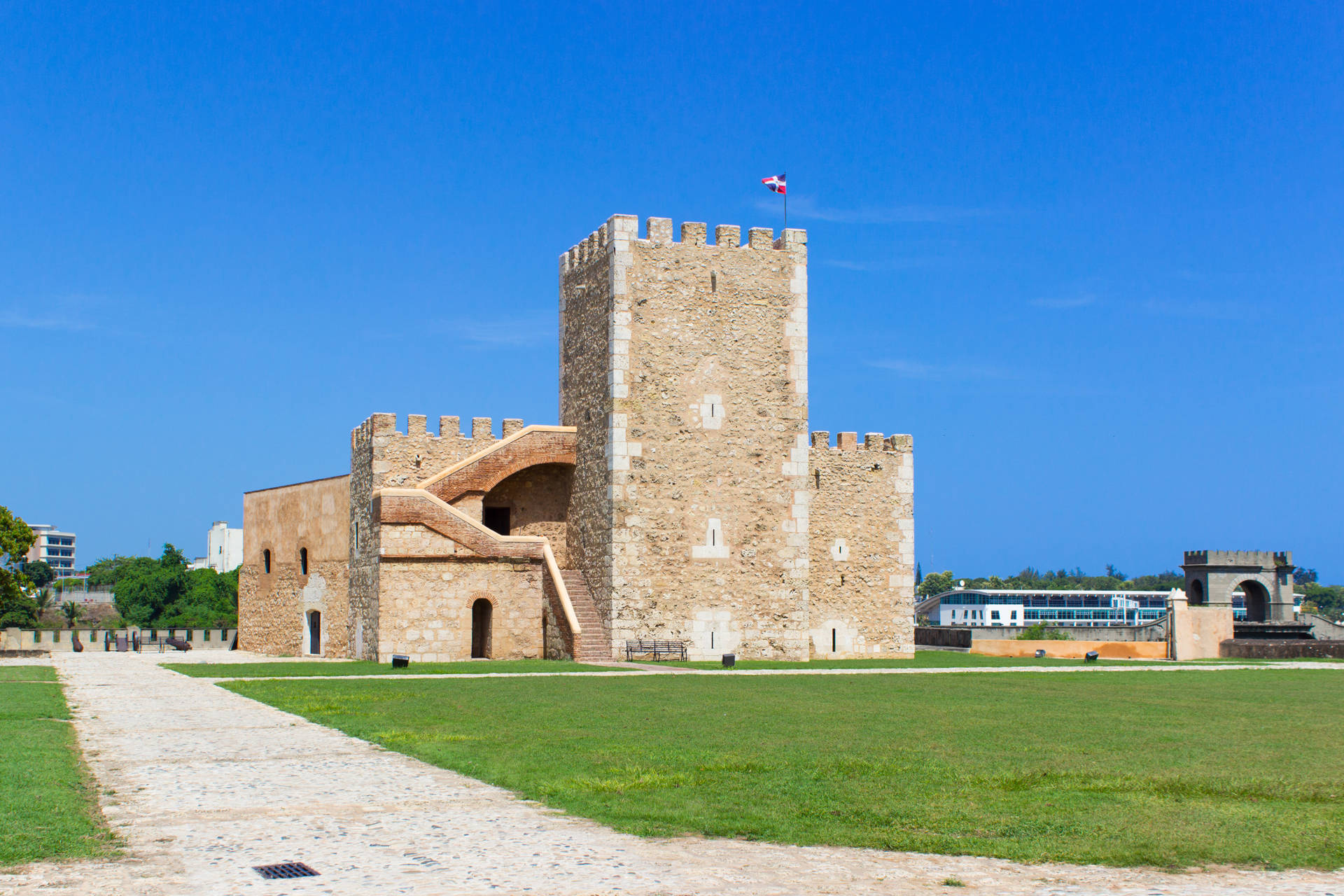
Santo Domingo is a city that cannot truly be understood without walking it—and there is no better place to do so than the Colonial Zone. This historic district is not only the foundational heart of the city, but also one of the most vibrant urban spaces in the Caribbean, where past and present coexist at every turn. For those arriving in the Dominican capital through Arajet’s destination network and wondering what to do in Santo Domingo while making the most of their time, the Colonial Zone is a natural choice: compact, accessible, and deeply meaningful. There is no need to rush or plan long transfers; simply wandering its streets offers a complete and immersive experience.
Important information before your visit
- Distance from downtown Santo Domingo: located within the central area of the city.
- Estimated travel time: between 5 and 15 minutes from most central points.
- Admission: free, as it is an open-access historic district.
- Recommended visiting hours: ideal to explore during the day, though it is equally enjoyable at sunset.
- Best time to visit: early in the morning or late in the afternoon, when temperatures are milder and crowds are lighter.
Beyond the practical details, what truly defines the experience in the Colonial Zone is the feeling of being immersed in a living city. The sounds constantly shift: footsteps echoing on stone, conversations blending in different accents, music drifting from an interior courtyard. Even the scents become part of the journey, from the humid Caribbean air to subtle aromas that reflect daily neighborhood life. Everything contributes to a sensory experience that goes far beyond the visual.
For photography enthusiasts, the Colonial Zone offers endless possibilities. Caribbean light interacts beautifully with the stone buildings, creating contrasts and shadows that change throughout the day. Early morning provides a quieter atmosphere, with nearly empty streets and soft light that highlights textures. By late afternoon, the district fills with movement, and the golden tones of the sun add warmth to every frame. There is no need to search for a single iconic spot—almost every corner offers an interesting composition.
The Colonial Zone also invites a type of exploration without a fixed direction. There is no need to follow a rigid itinerary or check off mandatory stops. Part of its charm lies in wandering slightly off course, turning down a quieter street, and discovering unexpected remnants of the past. This flexibility is especially appealing to the modern traveler, who values adaptable experiences shaped by personal rhythm rather than strict plans.
In terms of preparation, the visit is simple. Light, comfortable clothing is sufficient, along with suitable footwear for walking on uneven surfaces. The climate can be warm, so bringing water is advisable, particularly if you plan to explore for several hours. A hat or cap can make a noticeable difference during midday, although many streets offer natural shade thanks to the height of the surrounding buildings.
From a time-efficiency perspective, the Colonial Zone is one of the smartest decisions you can make in Santo Domingo. In a single area, travelers gain historical context, architectural beauty, local life, and a clear understanding of the city’s identity. It is not about accumulating attractions, but about concentrating meaningful experiences. Even a short stay in the city becomes more significant when time is dedicated to exploring this neighborhood thoughtfully.
Another of the Colonial Zone’s greatest strengths is its versatility. For some, it will be a relaxed stroll; for others, a deeper historical immersion; and for many, simply a place to sit and observe life unfolding. This adaptability makes it an essential stop regardless of travel style or available time.
By the end of the walk, it is difficult not to feel a deeper understanding of Santo Domingo. The city transforms from a point on the map into a place layered with stories, resilience, evolution, and contemporary energy. The Colonial Zone serves as a perfect introduction to everything the Dominican capital represents: its origins, its endurance, its transformation, and its vibrant present.
For those flying with Arajet and looking for what to do in Santo Domingo in a smart and efficient way, the Colonial Zone is an undeniable choice. It requires no tickets, no long transfers, and offers one of the most complete experiences in the Caribbean within a single walk. It is a place where every minute counts—not because there is a rush, but because every step adds meaning to the journey.
For photography enthusiasts, the Colonial Zone offers endless possibilities. Caribbean light interacts beautifully with the stone buildings, creating contrasts and shadows that change throughout the day. Early morning provides a quieter atmosphere, with nearly empty streets and soft light that highlights textures. By late afternoon, the district fills with movement, and the golden tones of the sun add warmth to every frame. There is no need to search for a single iconic spot—almost every corner offers an interesting composition.
The Colonial Zone also invites a type of exploration without a fixed direction. There is no need to follow a rigid itinerary or check off mandatory stops. Part of its charm lies in wandering slightly off course, turning down a quieter street, and discovering unexpected remnants of the past. This flexibility is especially appealing to the modern traveler, who values adaptable experiences shaped by personal rhythm rather than strict plans.
In terms of preparation, the visit is simple. Light, comfortable clothing is sufficient, along with suitable footwear for walking on uneven surfaces. The climate can be warm, so bringing water is advisable, particularly if you plan to explore for several hours. A hat or cap can make a noticeable difference during midday, although many streets offer natural shade thanks to the height of the surrounding buildings.
From a time-efficiency perspective, the Colonial Zone is one of the smartest decisions you can make in Santo Domingo. In a single area, travelers gain historical context, architectural beauty, local life, and a clear understanding of the city’s identity. It is not about accumulating attractions, but about concentrating meaningful experiences. Even a short stay in the city becomes more significant when time is dedicated to exploring this neighborhood thoughtfully.
Another of the Colonial Zone’s greatest strengths is its versatility. For some, it will be a relaxed stroll; for others, a deeper historical immersion; and for many, simply a place to sit and observe life unfolding. This adaptability makes it an essential stop regardless of travel style or available time.
By the end of the walk, it is difficult not to feel a deeper understanding of Santo Domingo. The city transforms from a point on the map into a place layered with stories, resilience, evolution, and contemporary energy. The Colonial Zone serves as a perfect introduction to everything the Dominican capital represents: its origins, its endurance, its transformation, and its vibrant present.
For those flying with Arajet and looking for what to do in Santo Domingo in a smart and efficient way, the Colonial Zone is an undeniable choice. It requires no tickets, no long transfers, and offers one of the most complete experiences in the Caribbean within a single walk. It is a place where every minute counts—not because there is a rush, but because every step adds meaning to the journey.