
From a distance, the façade conveys balance and restraint. Its neoclassical design, with robust columns and symmetrical proportions, communicates stability—particularly meaningful in a country whose urban history has been marked by seismic activity. The light-colored stone reflects the intense highland sun, creating sharp contrasts between illuminated surfaces and shadow. The open plaza in front of the cathedral allows visitors to appreciate its full scale and understand its role as a visual anchor of the historic center.
As you approach, details begin to reveal deeper layers of meaning. The sculptures adorning the façade are not merely decorative; they represent key figures in the country’s religious and cultural imagination. The commemorative columns installed in front of the temple, dedicated to victims of the internal armed conflict, add a contemporary and deeply human dimension to the site. This memorial transforms the cathedral into a space that honors not only faith, but also the nation’s recent memory.
Crossing the main doors brings an immediate shift in atmosphere. The noise of the plaza softens, replaced by a contained silence that invites introspection. The interior opens vertically: high ceilings, solid columns, and a central nave that draws the eye toward the main altar. Natural light filters through stained glass and side windows, casting soft tones across the interior surfaces.
From a sensory perspective, the experience is serene and immersive. The air inside feels slightly cooler than outside, offering relief from the midday sun. A faint scent of incense may be present depending on the time of day. The gentle echo of footsteps across polished floors enhances the sense of spaciousness. Even for visitors who do not practice the Catholic faith, the environment evokes respect and contemplation.
The history of the Metropolitan Cathedral is closely tied to the relocation of Guatemala’s capital after devastating earthquakes struck the former colonial city. The decision to build a new religious seat in the modern capital symbolized a new beginning. Since then, the cathedral has witnessed historic events, national ceremonies, and moments of profound social significance.
One of its most striking features is the way the building combines exterior sobriety with interior richness. Side altars, religious imagery, and ornamental details reflect artistic influences from different eras. Each corner tells part of the country’s cultural evolution, revealing how religious architecture adapted to shifting contexts.
From a time-efficiency standpoint, the visit is highly strategic. Located in the heart of the historic center, the cathedral can easily be integrated into a walking tour of the area. It requires no long transfers or complex planning. In approximately one hour, visitors can explore it calmly and gain a clear understanding of its historical and cultural importance.
For those who value clear logistics and budget-friendly travel, here are a few practical details to consider:
Metropolitan Cathedral
Ciudad de Guatemala, GT
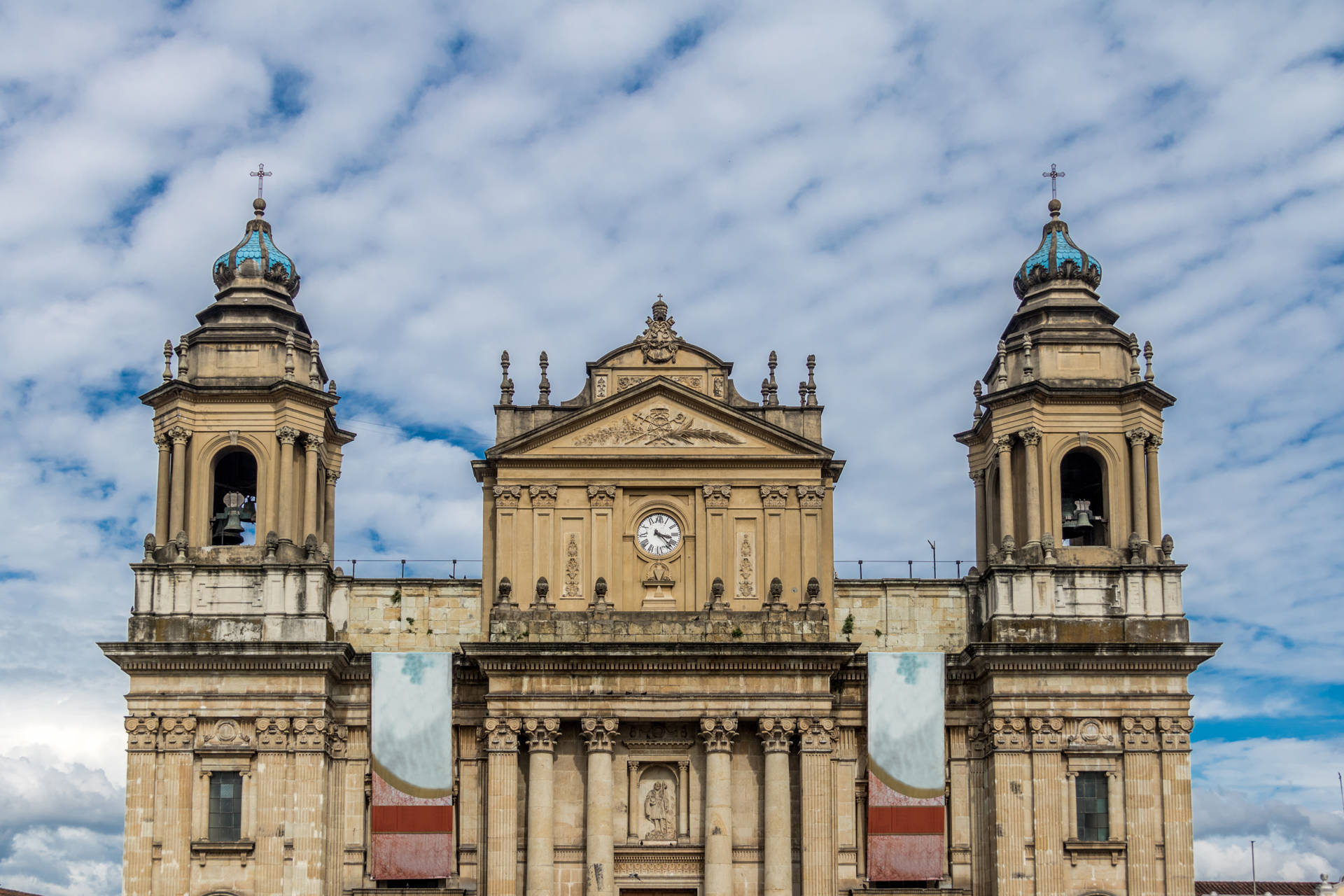
In the heart of Guatemala City’s Historic Center, facing the broad central plaza where history, politics, and daily life converge, the Metropolitan Cathedral rises as one of the country’s most enduring symbols of national identity. It is not merely a religious temple; it is an architectural declaration of permanence in a city shaped by earthquakes, social transformations, and urban reinventions. For travelers arriving in Guatemala through Arajet’s destination network and wondering what to do in Guatemala City in a strategic, culturally enriching, and time-efficient way, the Metropolitan Cathedral represents an essential stop—concentrating history, art, and collective memory in one accessible location.
Important information before your visit
- Location: Central Plaza, Historic Center of Guatemala City
- Distance from other central areas: Walkable from multiple points within the historic district
- Admission: Free, with the option of voluntary donation
- Recommended visiting hours: During the day, especially in the morning.
- Best time to go: Early in the day, when there are fewer visitors and natural light enhances interior details.
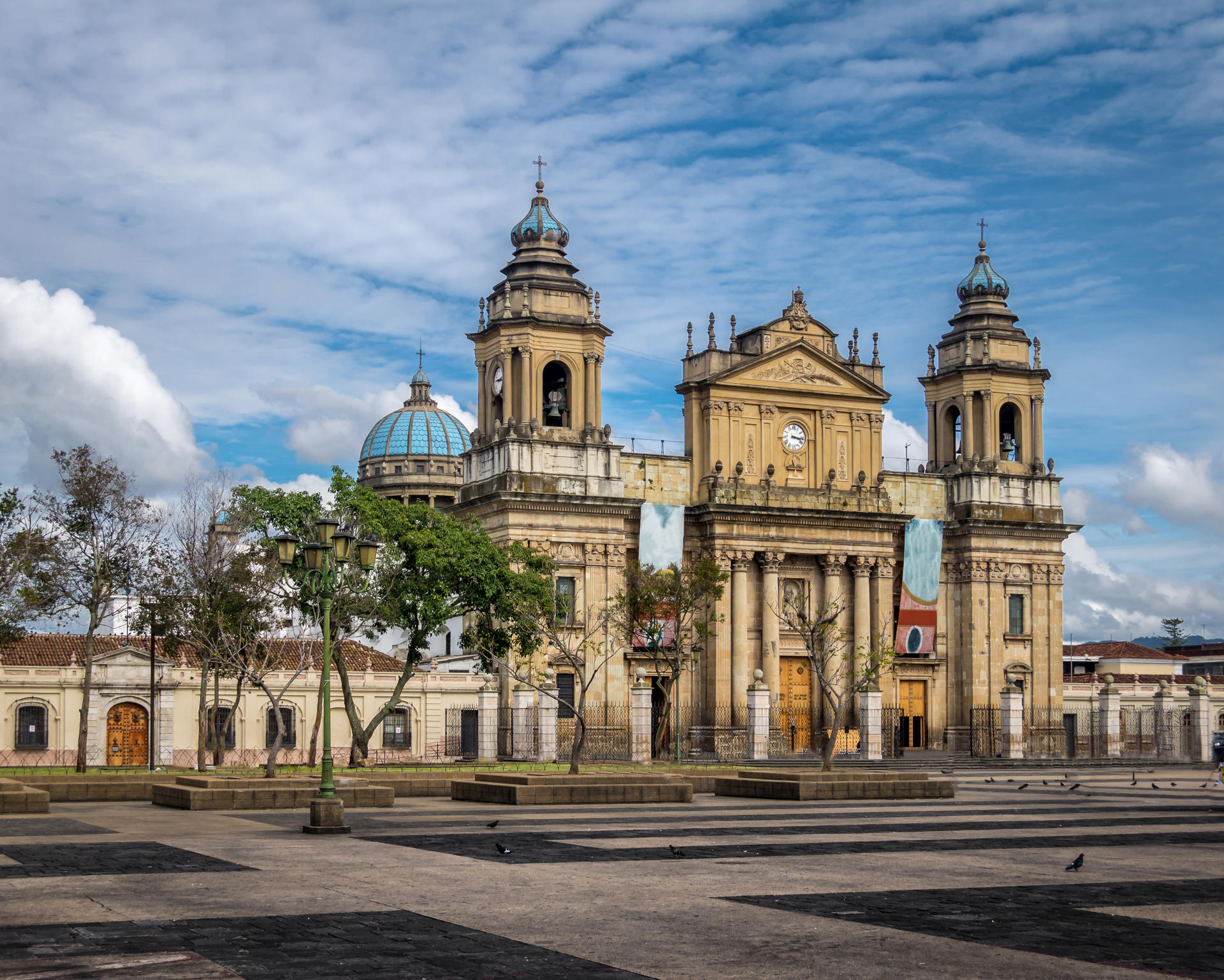
The ideal visit typically lasts between 45 minutes and 1.5 hours, depending on how closely you wish to observe the architecture and memorial elements. This allows enough time to appreciate the main altar, side chapels, the exterior memorial columns, and the overall structural design without feeling rushed.
For photography enthusiasts, the cathedral offers opportunities both outside and inside. The symmetry of the façade facing the plaza creates balanced compositions, especially during the early hours of the day. Inside, filtered light through stained glass produces subtle shadow play. It is important to remain respectful and check current guidelines regarding photography.
In terms of preparation, no special equipment is required. Modest attire appropriate for a religious space is recommended. Comfortable footwear is sufficient, as the visit is short and fully accessible. Carrying water may be useful if the cathedral is part of a broader walking tour through the historic center.
Beyond its architectural dimension, the Metropolitan Cathedral plays a key role in any visit to Guatemala: it provides context. It helps visitors understand the evolution of the capital and its role as the political, religious, and symbolic center of the country. Its presence opposite the National Palace and other historic buildings reinforces its place within the institutional core of the nation.
The experience also invites reflection on resilience. Built in a seismic region and in a nation that has endured complex periods of history, the cathedral stands as a symbol of continuity. Each restoration and each ceremony held within its walls represents an act of permanence in the face of change.
Stepping back into the plaza, the contrast is immediate. The sounds of the city return—street vendors, conversations, traffic forming part of the urban rhythm. Yet after the visit, the perception of the surroundings shifts. The historic center is no longer just a collection of administrative buildings; it reveals itself as a space layered with memory and meaning.
For those flying with Arajet and seeking what to do in Guatemala City in a smart, cultural, and well-planned way, the Metropolitan Cathedral is an essential stop. Accessible, historically rich, and deeply symbolic, it offers a meaningful experience in a short amount of time. It proves that making the most of your time also means pausing in the places where architecture safeguards a nation’s memory—and shares it quietly with every visitor.
For photography enthusiasts, the cathedral offers opportunities both outside and inside. The symmetry of the façade facing the plaza creates balanced compositions, especially during the early hours of the day. Inside, filtered light through stained glass produces subtle shadow play. It is important to remain respectful and check current guidelines regarding photography.
In terms of preparation, no special equipment is required. Modest attire appropriate for a religious space is recommended. Comfortable footwear is sufficient, as the visit is short and fully accessible. Carrying water may be useful if the cathedral is part of a broader walking tour through the historic center.
Beyond its architectural dimension, the Metropolitan Cathedral plays a key role in any visit to Guatemala: it provides context. It helps visitors understand the evolution of the capital and its role as the political, religious, and symbolic center of the country. Its presence opposite the National Palace and other historic buildings reinforces its place within the institutional core of the nation.
The experience also invites reflection on resilience. Built in a seismic region and in a nation that has endured complex periods of history, the cathedral stands as a symbol of continuity. Each restoration and each ceremony held within its walls represents an act of permanence in the face of change.
Stepping back into the plaza, the contrast is immediate. The sounds of the city return—street vendors, conversations, traffic forming part of the urban rhythm. Yet after the visit, the perception of the surroundings shifts. The historic center is no longer just a collection of administrative buildings; it reveals itself as a space layered with memory and meaning.
For those flying with Arajet and seeking what to do in Guatemala City in a smart, cultural, and well-planned way, the Metropolitan Cathedral is an essential stop. Accessible, historically rich, and deeply symbolic, it offers a meaningful experience in a short amount of time. It proves that making the most of your time also means pausing in the places where architecture safeguards a nation’s memory—and shares it quietly with every visitor.