
From the very beginning, the atmosphere feels different from other parts of the city. The streets grow denser, buildings stand closer together, and the human movement becomes more intense and varied. Here, São Paulo does not expand outward or upward with the same openness found in other neighborhoods; instead, it concentrates, layers, and expresses itself in overlapping dimensions. Walking through the Historic Center means embracing that density and understanding it as an essential part of São Paulo’s identity.
The urban layout reveals the city’s colonial past, with streets that do not always follow straight lines or modern logic. That irregularity adds character and encourages visitors to pay closer attention. Each corner seems to hold a different story, and even when it’s not immediately obvious, the weight of time can be felt in the façades, materials, and the way spaces have adapted to new functions without disappearing entirely.
One of the Historic Center’s greatest strengths is its authenticity. It is not a district designed exclusively for tourism, but a functioning part of the city. Office workers, shop owners, students, street vendors, and visitors share the same space without clear separation. This constant coexistence makes the experience intense but deeply real. Here, you don’t observe São Paulo from the outside—you experience it from within.
From a sensory perspective, the center is stimulating and demanding. Sound is constant: footsteps, voices, nearby traffic, overlapping conversations. The visual field is filled with contrasts between older buildings, newer structures, and continuous human movement. The air carries the unmistakable scent of a working metropolis, where history is not preserved behind glass but integrated into the present. Everything happens at once—and that simultaneity is part of the charm.
The Historic Center also makes it possible to understand how São Paulo grew and transformed. Different phases of urban development are visible, from modest beginnings to its consolidation as an economic and cultural powerhouse. You don’t need to know exact dates to grasp this evolution—simply observing how architectural styles coexist and how buildings have adapted over time tells the story.
Walking through the center requires an open and attentive mindset. It’s not a place to rush through or approach with rigid expectations. The experience is built through observation: noticing façades, listening to conversations, sensing how the atmosphere shifts from one street to another. This approach turns the visit into more than a checklist of landmarks—it becomes an ongoing urban reading.
From a time-efficiency standpoint, the Historic Center is surprisingly practical. Within a relatively compact area, you’ll find an enormous amount of cultural, social, and historical context. This allows travelers to gain a meaningful understanding of the city without covering large distances—ideal for those who want to maximize every hour of their trip.
For visitors who value clear logistics and budget-friendly travel, here are some key practical details:
Historic Center
São Paulo, BR
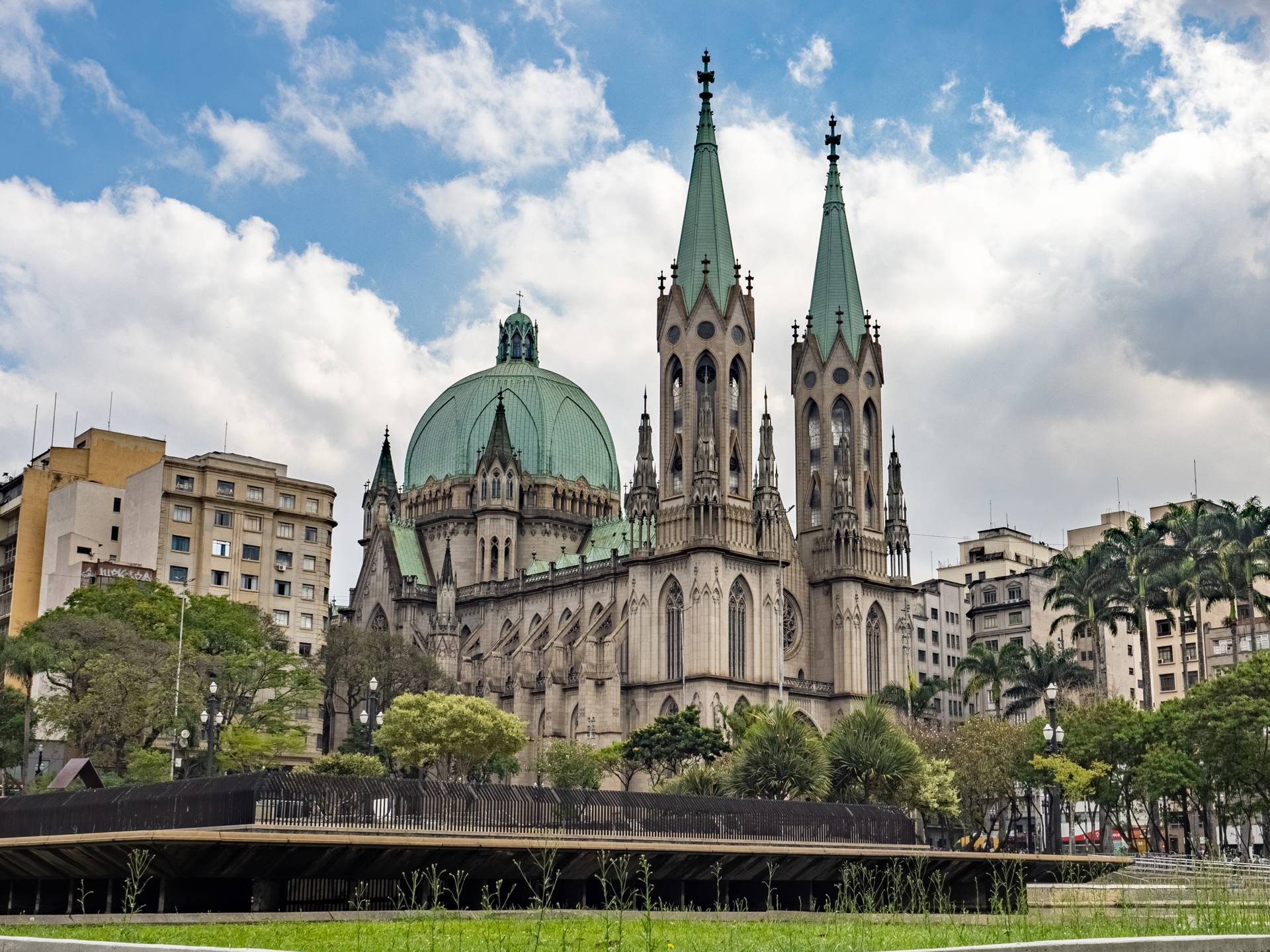
São Paulo is a city known for its size, energy, and fast pace. Yet to truly understand how it became the largest metropolis in South America, it’s essential to walk through its Historic Center. This is not a collection of streets frozen in time, but a living space where foundational history, urban transformation, and everyday life overlap at every step. For travelers arriving in Brazil through Arajet’s destination network and wondering what to do in São Paulo in a meaningful and efficient way, the Historic Center offers a deep experience that explains the city from its origins.
Important information before your visit
- Location: situated in the original core of São Paulo.
- Estimated travel time: easily accessible from multiple urban areas.
- Admission: free, as it is a public district.
- Recommended visiting hours: during the day.
- Best time to go: in the morning, when movement is active but more orderly.
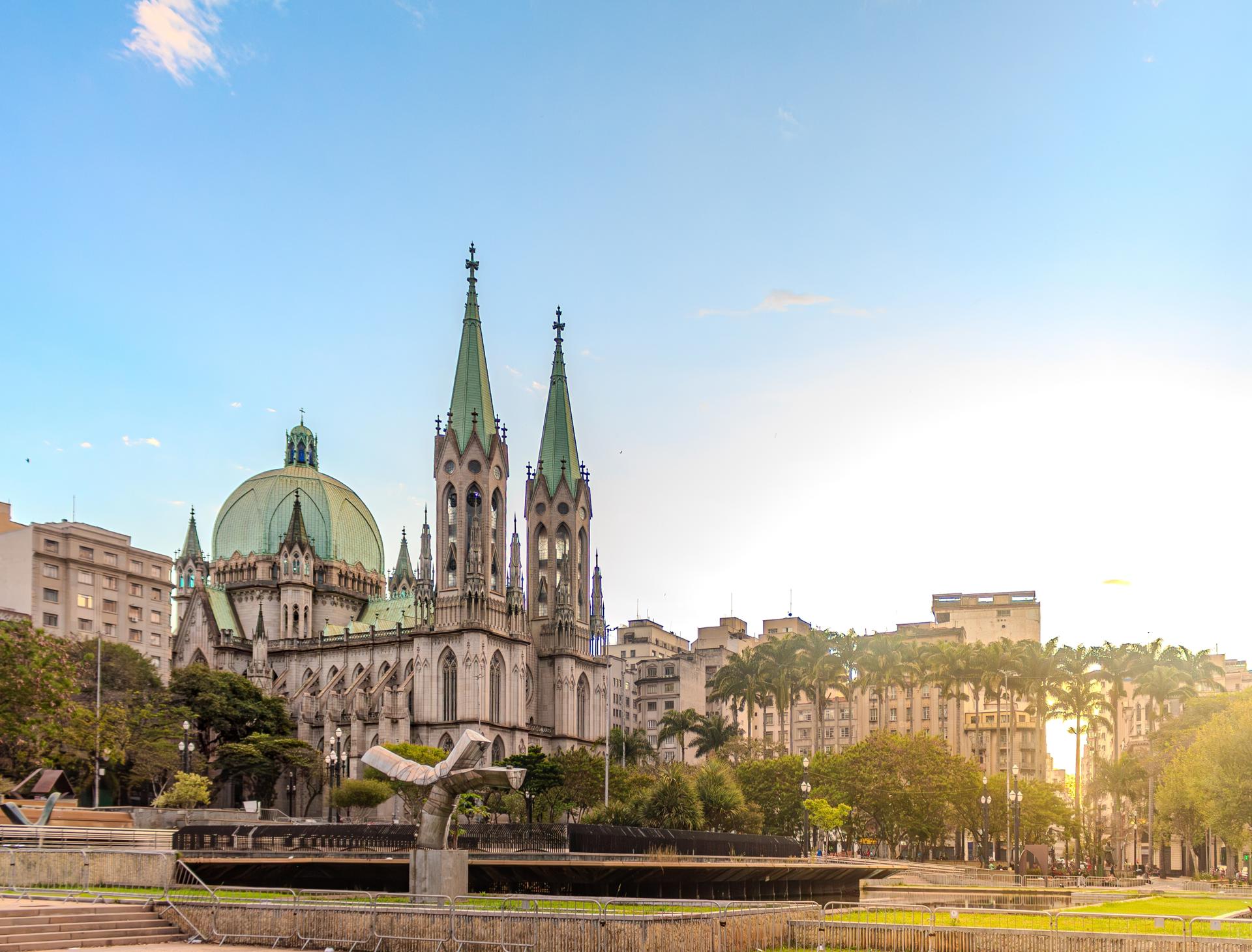
The ideal time to explore the Historic Center is between one and two hours. This allows you to walk calmly, pause to observe, and absorb the rhythm of the area without feeling overwhelmed. For those who want to dive deeper, it’s easy to extend the visit and uncover new layers with each additional stroll.
Photography enthusiasts will find unique opportunities here. Rather than searching for clean, symmetrical images, the focus is on capturing urban complexity. Weathered façades, narrow streets, and everyday scenes create compositions full of character. Morning light is often the most favorable, highlighting textures and volumes without producing overly harsh contrasts.
Preparation requires only basic considerations. Comfortable footwear is essential, as the visit is done on foot and often over uneven surfaces. Light, practical clothing is recommended, and keeping personal belongings secure is wise—just as in any active urban center. No special equipment is necessary—just an attentive and respectful attitude.
On a deeper level, the Historic Center plays a crucial role in any trip to São Paulo: it provides context. It helps you understand where the city came from, how it developed, and why it functions the way it does today. That understanding reshapes the rest of your journey, making other neighborhoods and avenues feel like extensions of a shared story.
The area also invites reflection on the relationship between past and present. There is no clear division between the historical and the contemporary; both coexist—sometimes harmoniously, sometimes in tension. That coexistence is central to São Paulo’s identity and one of the most compelling aspects for an attentive visitor.
As you move through the Historic Center, the city stops being abstract and becomes tangible. Distances feel human, strengths and challenges appear without filters, and urban life reveals itself as it truly is. This direct experience is often one of the most revealing moments of the trip.
When you leave the center and head toward other areas of São Paulo, you do so with a clearer understanding of the whole. The noise, scale, and intensity no longer surprise in the same way—because now they have context. That clarity is one of the greatest gifts of the visit.
For those flying with Arajet and looking for what to do in São Paulo in a smart and well-balanced way, the Historic Center is an essential stop. Accessible, intense, and deeply authentic, it offers one of the destination’s most revealing experiences in a relatively short time. It proves that making the most of your time doesn’t always mean covering great distances—but walking attentively through the places where the city first began to tell its story.
Photography enthusiasts will find unique opportunities here. Rather than searching for clean, symmetrical images, the focus is on capturing urban complexity. Weathered façades, narrow streets, and everyday scenes create compositions full of character. Morning light is often the most favorable, highlighting textures and volumes without producing overly harsh contrasts.
Preparation requires only basic considerations. Comfortable footwear is essential, as the visit is done on foot and often over uneven surfaces. Light, practical clothing is recommended, and keeping personal belongings secure is wise—just as in any active urban center. No special equipment is necessary—just an attentive and respectful attitude.
On a deeper level, the Historic Center plays a crucial role in any trip to São Paulo: it provides context. It helps you understand where the city came from, how it developed, and why it functions the way it does today. That understanding reshapes the rest of your journey, making other neighborhoods and avenues feel like extensions of a shared story.
The area also invites reflection on the relationship between past and present. There is no clear division between the historical and the contemporary; both coexist—sometimes harmoniously, sometimes in tension. That coexistence is central to São Paulo’s identity and one of the most compelling aspects for an attentive visitor.
As you move through the Historic Center, the city stops being abstract and becomes tangible. Distances feel human, strengths and challenges appear without filters, and urban life reveals itself as it truly is. This direct experience is often one of the most revealing moments of the trip.
When you leave the center and head toward other areas of São Paulo, you do so with a clearer understanding of the whole. The noise, scale, and intensity no longer surprise in the same way—because now they have context. That clarity is one of the greatest gifts of the visit.
For those flying with Arajet and looking for what to do in São Paulo in a smart and well-balanced way, the Historic Center is an essential stop. Accessible, intense, and deeply authentic, it offers one of the destination’s most revealing experiences in a relatively short time. It proves that making the most of your time doesn’t always mean covering great distances—but walking attentively through the places where the city first began to tell its story.