
From the very first moment, the mountain commands attention. Visible from many parts of the city, it acts as a constant reference point on the horizon. That visual closeness creates a subtle but persistent pull. Going up to Monserrate is not just a tourist activity; it is a way to shift perspective—literally and symbolically.
The ascent can be done on foot via the pedestrian trail or by using the transportation systems available to reach the summit. For those who choose to hike, the experience begins at the base, where the cool mountain air already feels different from the urban environment. The path climbs steadily through Andean vegetation, and with each section gained, the city view widens. The physical effort is moderate but continuous, and it becomes an essential part of the experience.
As you rise, Bogotá gradually transforms visually. What were once defined streets and buildings turn into a dense urban grid stretching as far as the eye can see. On clear days, the city seems almost endless across the high plateau. This progressive transition makes the moment of reaching the top even more impactful.
At the summit, the space is organized around the sanctuary that has historically defined the mountain’s identity. The atmosphere blends spirituality, contemplation, and tourism in a distinctive balance. Pilgrims arriving for religious reasons, visitors seeking panoramic views, and travelers simply wanting to experience the place coexist naturally. That diversity is part of Monserrate’s character.
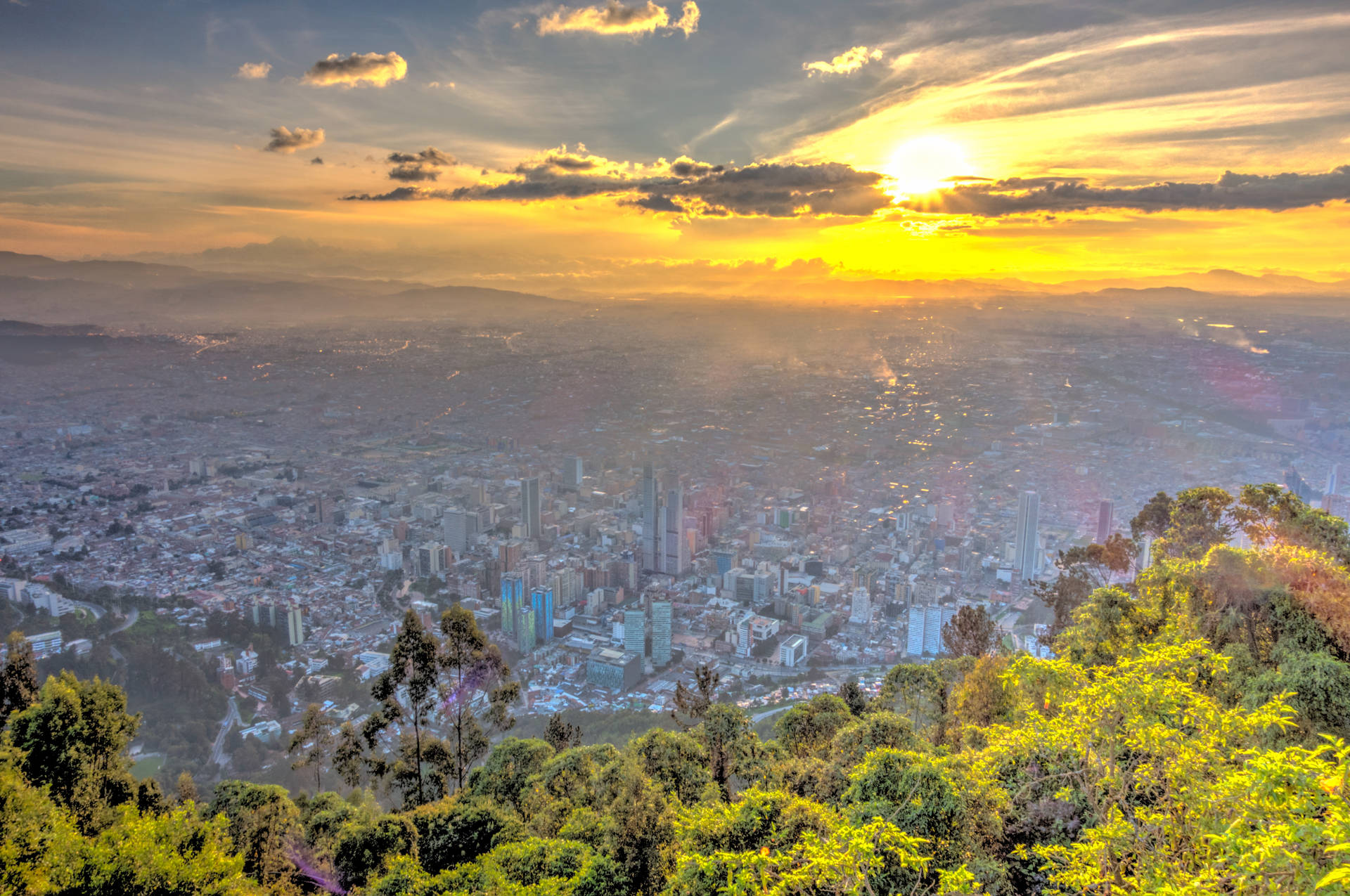
From a sensory perspective, the top offers a fully immersive experience. The wind is often stronger, reminding visitors of the altitude. The air feels colder and cleaner than in the city below. Traffic noise nearly disappears, replaced by soft conversations and the ambient murmur of the surroundings. The view dominates everything: Bogotá unfolds like a living map, framed by mountains and defined by an urban density that impresses in scale.
One of Monserrate’s greatest strengths is its ability to provide understanding in a short amount of time. From above, visitors grasp the capital’s geography, its vast extension, and its relationship with the surrounding natural environment. This panoramic reading adds context to the rest of the trip, making later explorations of neighborhoods and plazas feel clearer and more connected.
From a time-efficiency standpoint, the visit is highly practical. In half a day, it is possible to complete the ascent, enjoy the views, and return to the center without significantly disrupting your itinerary. This accessibility makes Monserrate one of the most recommended experiences for travelers with limited time in Bogotá.
For those who value clear logistics and budget-friendly travel, here are some practical details to consider:
Monserrate Hill
Bogotá, CO
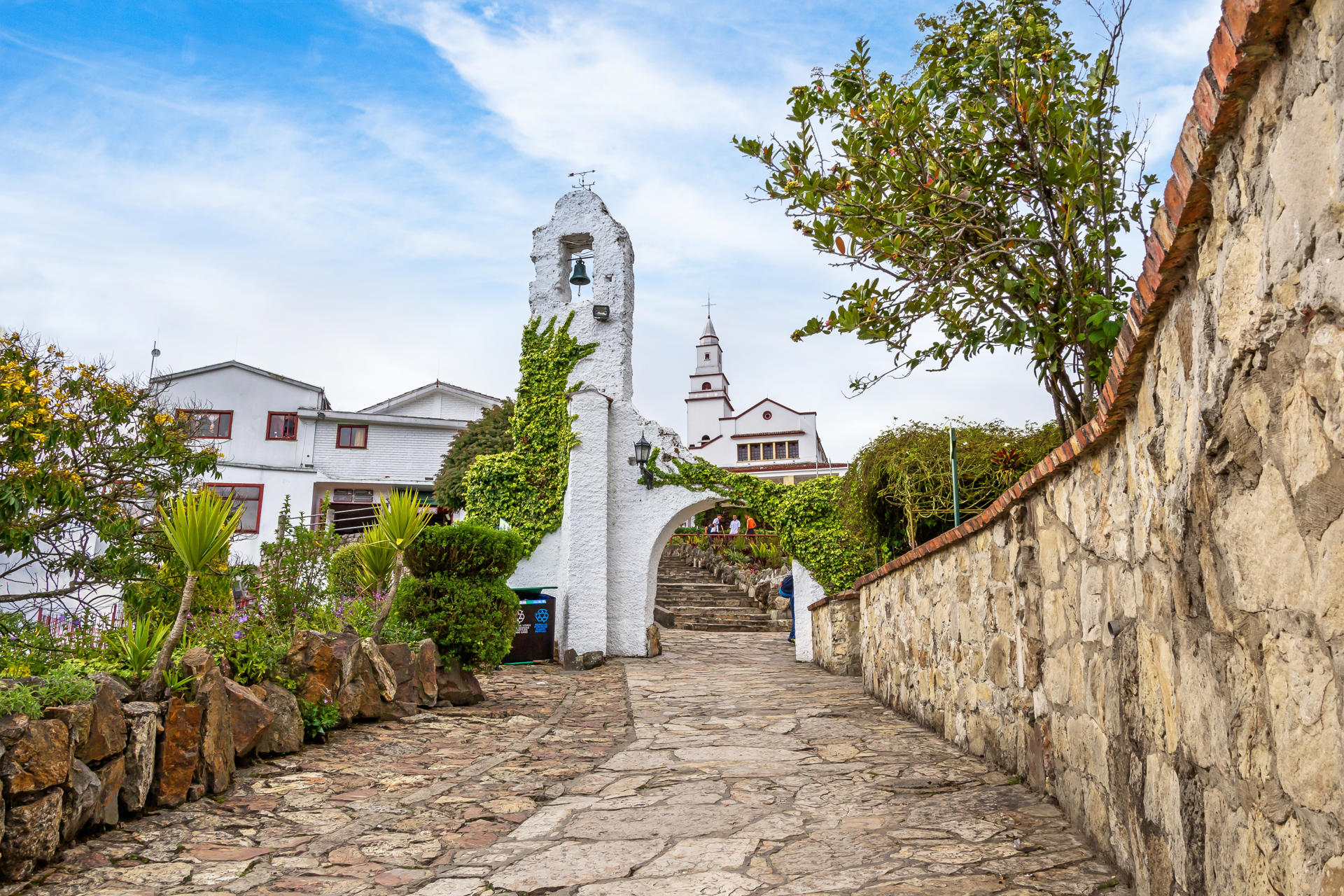
Bogotá is an extensive, diverse, and vibrant city, but to truly understand its scale and geography, you must see it from above. Monserrate, the mountain rising over the historic center, is not only one of the most recognizable icons of Colombia’s capital, but also the natural viewpoint that reveals the vastness of the high plateau and the way the city stretches between mountains. For travelers arriving in Colombia through Arajet’s destination network and looking for what to do in Bogotá in an efficient way with high visual impact, Monserrate offers a strategic experience: in just a few hours, you gain a complete panoramic understanding of the destination.
Important information before your visit
- Distance from Bogotá’s historic center: approximately 2 kilometers
- Estimated travel time to the base: 10 to 20 minutes from downtown.
- Access: free if hiking; transportation systems have an associated fee
- Recommended visiting hours: morning through mid-afternoon.
- Best time to go: early morning, when skies are usually clearer and visibility is better
The ideal time for the full experience is between 2 and 3 hours, depending on your method of ascent and how long you spend at the top. This allows you to enjoy the visit calmly, without rushing, while keeping it manageable within a day’s schedule.
For photography enthusiasts, Monserrate is one of Bogotá’s most privileged vantage points. The panoramic view captures the city in its entirety, with mountains as a dramatic backdrop. Morning light typically offers the clearest visibility, while sunset introduces warmer tones and stronger contrasts. However, weather conditions can change quickly, so it is wise to monitor the forecast before planning your visit.
Preparation requires special attention to altitude. Bogotá is already located at a significant elevation above sea level, and Monserrate rises even higher. Walking at a moderate pace, staying well hydrated, and avoiding sudden exertion are important recommendations, especially for those not accustomed to high altitudes. Warm clothing is advisable—even on sunny days—since wind at the summit can be intense.
On a deeper level, Monserrate plays a symbolic role in any trip to Bogotá. It is not just a viewpoint, but a meeting point between nature, spirituality, and urban identity. Climbing the mountain means acknowledging the geography that defines the city and understanding how that geography shapes its character.
The site also invites contemplation. The expansive view and relative quiet create an ideal space to pause, reflect, and simply observe. In the middle of an active and sometimes chaotic capital, this elevated pause provides balance and perspective.
As you begin the descent, the city gradually regains its human scale. Streets, neighborhoods, and daily movement return to focus. Yet something has shifted: Bogotá no longer feels like an overwhelming sprawl, but a territory understood from above.
For those flying with Arajet and searching for what to do in Bogotá in a smart and well-balanced way, Monserrate is an essential experience. Close to the city center, visually striking, and easy to integrate into a short itinerary, it offers one of the most memorable views in Colombian tourism in just a few hours. It proves that making the most of your time sometimes means gaining altitude, changing perspective, and letting the city reveal itself from where everything becomes clear.
For photography enthusiasts, Monserrate is one of Bogotá’s most privileged vantage points. The panoramic view captures the city in its entirety, with mountains as a dramatic backdrop. Morning light typically offers the clearest visibility, while sunset introduces warmer tones and stronger contrasts. However, weather conditions can change quickly, so it is wise to monitor the forecast before planning your visit.
Preparation requires special attention to altitude. Bogotá is already located at a significant elevation above sea level, and Monserrate rises even higher. Walking at a moderate pace, staying well hydrated, and avoiding sudden exertion are important recommendations, especially for those not accustomed to high altitudes. Warm clothing is advisable—even on sunny days—since wind at the summit can be intense.
On a deeper level, Monserrate plays a symbolic role in any trip to Bogotá. It is not just a viewpoint, but a meeting point between nature, spirituality, and urban identity. Climbing the mountain means acknowledging the geography that defines the city and understanding how that geography shapes its character.
The site also invites contemplation. The expansive view and relative quiet create an ideal space to pause, reflect, and simply observe. In the middle of an active and sometimes chaotic capital, this elevated pause provides balance and perspective.
As you begin the descent, the city gradually regains its human scale. Streets, neighborhoods, and daily movement return to focus. Yet something has shifted: Bogotá no longer feels like an overwhelming sprawl, but a territory understood from above.
For those flying with Arajet and searching for what to do in Bogotá in a smart and well-balanced way, Monserrate is an essential experience. Close to the city center, visually striking, and easy to integrate into a short itinerary, it offers one of the most memorable views in Colombian tourism in just a few hours. It proves that making the most of your time sometimes means gaining altitude, changing perspective, and letting the city reveal itself from where everything becomes clear.