
From the very first step onto the sidewalk, the identity of the place is unmistakable. On one side, lush palm trees and direct access to the beach; on the other, a continuous row of pastel-colored Art Deco buildings in shades of turquoise, coral, cream, and soft yellow. Geometric façades, curved details, and neon signage evoke the aesthetic of the 1930s and 1940s, when this area began establishing itself as a renowned coastal destination.
Ocean Drive is relatively short, making it an efficient and concentrated experience. Within just a few blocks, visitors encounter a preserved architectural collection that forms part of the Miami Beach Historic District. Walking from north to south reveals that each building has its own personality, yet all share a cohesive visual language.
From a sensory perspective, the experience is dynamic. The sound of the ocean blends with conversations in multiple languages. The salty Atlantic air mixes with the warmth of South Florida’s climate. A steady sea breeze moves along the avenue, softening even the sunniest days.
One of Ocean Drive’s greatest advantages is its direct relationship with the beach. Simply cross the street and walk through the coastal park to reach the sand. This proximity makes it easy to combine architectural exploration with time by the sea—without long transfers.
Historically, Ocean Drive evolved from a quiet residential coastal promenade into an international symbol of Miami’s lifestyle. In the latter half of the 20th century, preservation efforts protected its Art Deco architecture from large-scale demolition, solidifying the area’s identity as an urban heritage landmark. Today, it is recognized worldwide for its distinctive visual character.
From a time-efficiency standpoint, Ocean Drive is exceptionally convenient. It can be walked in about an hour at a steady pace, but spending two to three hours allows time to appreciate architectural details, take photographs, and enjoy the oceanfront setting. A smart strategy is to visit early in the morning to avoid heavier crowds and capture soft light on the pastel façades.
For travelers who value clear logistics and organized planning, consider the following practical details:
Ocean Drive
Miami, US
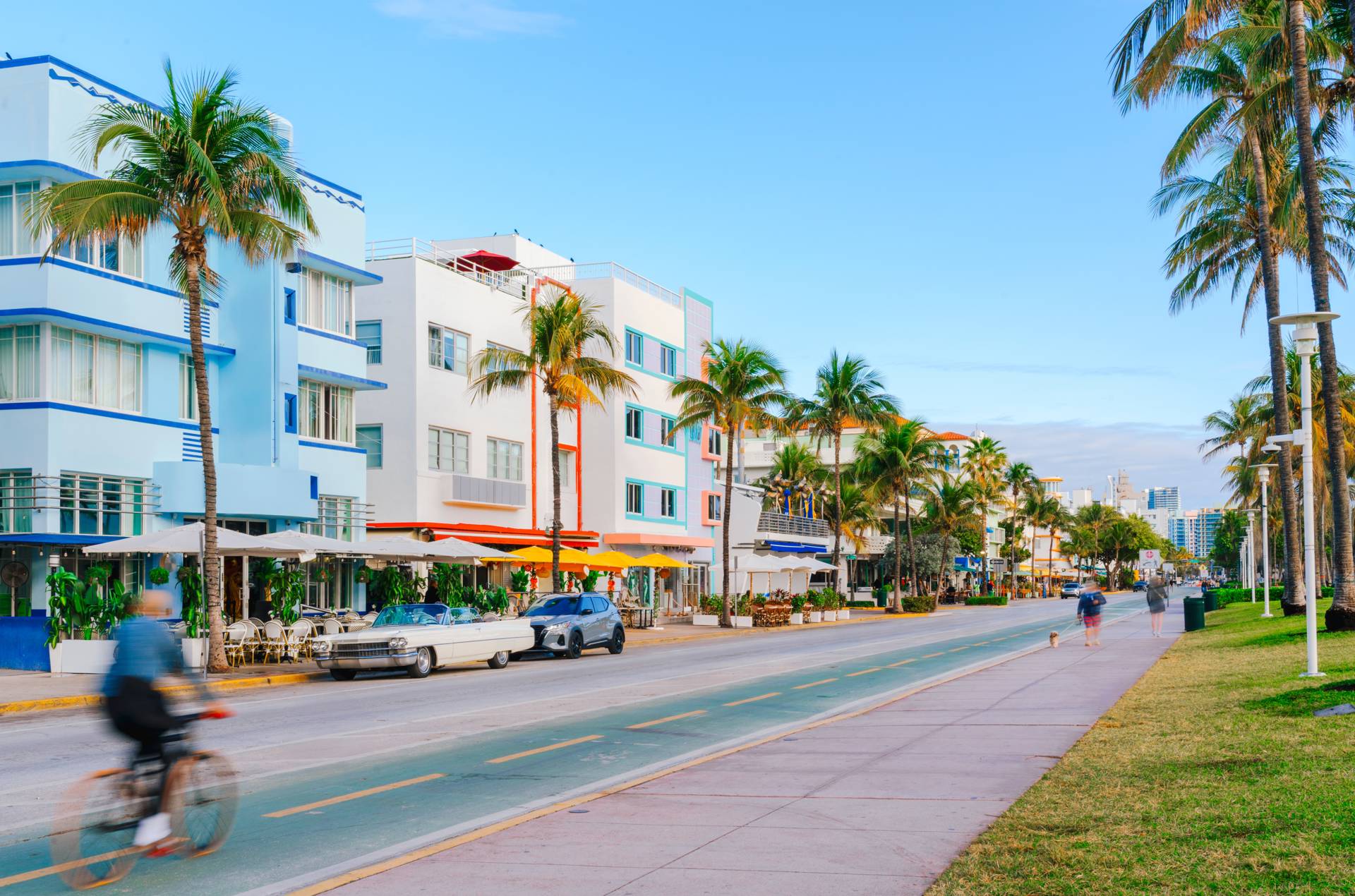
At the most iconic edge of Miami Beach, running parallel to the Atlantic Ocean and facing one of the most photographed stretches of sand in the United States, lies Ocean Drive—an avenue that captures the vibrant, historic, and visually striking spirit of Miami. More than just a street, Ocean Drive is a stage where Art Deco architecture, palm trees, and multicultural energy come together in a compact setting that can be explored in just a few well-planned hours. For travelers arriving in Florida through Arajet’s expanding destination network and wondering what to do in Miami while maximizing every minute, Ocean Drive offers a strategic experience that blends history, a seaside promenade, and urban atmosphere in a single walkable route.
Important information before your visit
- Location: Southern end of Miami Beach, parallel to the Atlantic Ocean
- Distance from Downtown Miami: approximately 8 kilometers (5 miles)
- Distance from Miami International Airport: around 19 kilometers (12 miles)
- Estimated travel time from the airport: 20–30 minutes, depending on traffic.
- Access: Free; public avenue
- Best time to visit: Early morning for photography or late afternoon to enjoy the changing light.
The ideal amount of time to fully experience Ocean Drive is two to four hours, especially if combined with a walk along the nearby beach. It integrates seamlessly into a broader South Beach itinerary, as both areas are physically connected.
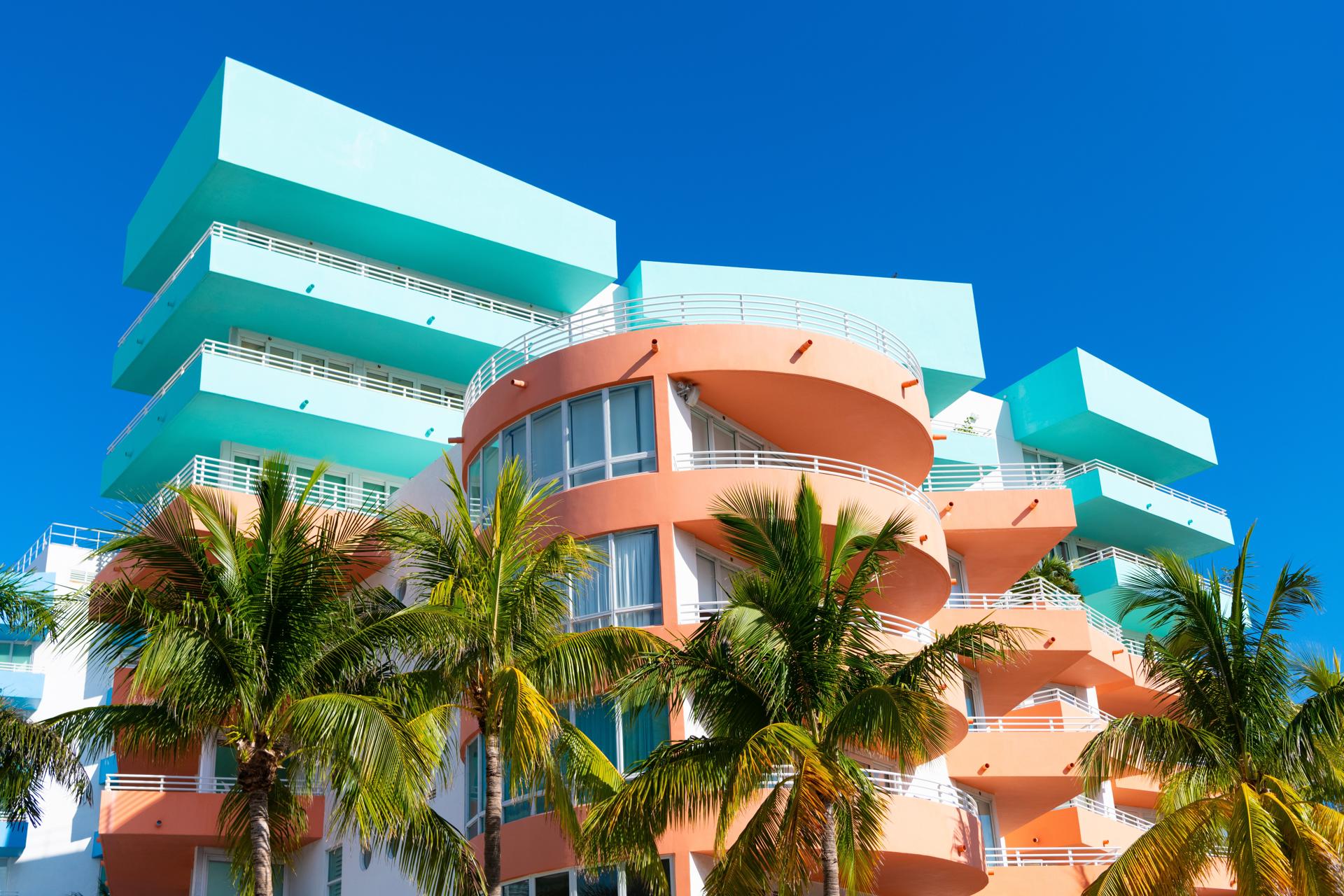
For photography enthusiasts, Ocean Drive is one of Miami’s most iconic settings. Art Deco façades create striking geometric lines. Palm trees frame compositions, adding natural balance to the urban scene. During golden hour, pastel tones intensify, and shadows lengthen, producing a visually compelling effect.
Preparation is simple. Lightweight, comfortable clothing is recommended, along with proper sun protection. While palm trees provide partial shade, much of the walk takes place under direct sunlight. Comfortable footwear makes it easy to explore several blocks without difficulty.
Beyond its aesthetic appeal, Ocean Drive plays a key role in understanding Miami’s identity. It is a place where history, tourism, and daily life converge. Residents stroll, visitors capture photographs, and travelers pause to absorb the atmosphere.
The experience also invites slower observation. Sitting on a bench facing the coastal park and looking toward the ocean allows for a balance between natural contemplation and urban observation. Here, city and sea are in constant dialogue.
As evening approaches, Ocean Drive shifts in character. The light grows warmer, deepening the pastel tones of the façades. As night falls, artificial lighting highlights architectural contours and details, creating a more vibrant, cinematic atmosphere.
When you leave Ocean Drive to explore other parts of Miami, the lingering impression is that of having walked through a living postcard. It is not just a street—it is a visual symbol that encapsulates the city’s coastal and retro identity.
For those flying with Arajet and planning what to do in Miami in a smart, visually impactful, and well-organized way, Ocean Drive is an essential stop. Compact, iconic, and strategically located by the sea, it offers one of the most recognizable urban experiences in the United States within just a few well-spent hours. It proves that making the most of your time also means walking among historic architecture, feeling the Atlantic breeze, and discovering how design and landscape merge along the avenue that defines the spirit of Miami Beach.
For photography enthusiasts, Ocean Drive is one of Miami’s most iconic settings. Art Deco façades create striking geometric lines. Palm trees frame compositions, adding natural balance to the urban scene. During golden hour, pastel tones intensify, and shadows lengthen, producing a visually compelling effect.
Preparation is simple. Lightweight, comfortable clothing is recommended, along with proper sun protection. While palm trees provide partial shade, much of the walk takes place under direct sunlight. Comfortable footwear makes it easy to explore several blocks without difficulty.
Beyond its aesthetic appeal, Ocean Drive plays a key role in understanding Miami’s identity. It is a place where history, tourism, and daily life converge. Residents stroll, visitors capture photographs, and travelers pause to absorb the atmosphere.
The experience also invites slower observation. Sitting on a bench facing the coastal park and looking toward the ocean allows for a balance between natural contemplation and urban observation. Here, city and sea are in constant dialogue.
As evening approaches, Ocean Drive shifts in character. The light grows warmer, deepening the pastel tones of the façades. As night falls, artificial lighting highlights architectural contours and details, creating a more vibrant, cinematic atmosphere.
When you leave Ocean Drive to explore other parts of Miami, the lingering impression is that of having walked through a living postcard. It is not just a street—it is a visual symbol that encapsulates the city’s coastal and retro identity.
For those flying with Arajet and planning what to do in Miami in a smart, visually impactful, and well-organized way, Ocean Drive is an essential stop. Compact, iconic, and strategically located by the sea, it offers one of the most recognizable urban experiences in the United States within just a few well-spent hours. It proves that making the most of your time also means walking among historic architecture, feeling the Atlantic breeze, and discovering how design and landscape merge along the avenue that defines the spirit of Miami Beach.