
At first glance, the bridge stands out for its design. It is not a traditional elevated structure, but a floating system supported by pontoons resting directly on the water. This unique feature creates a distinctive sensation while walking: a subtle movement beneath your feet, a constant reminder that you are floating across the bay. That interaction between city and sea defines much of the bridge’s charm.
The bridge connects two historic districts of Willemstad, allowing visitors to move seamlessly between commercial areas, plazas, and streets lined with Dutch colonial architecture adapted to the Caribbean climate. Its strategic position makes it the natural transition point in any well-planned walking tour of the capital.
From a sensory perspective, crossing the Queen Emma Bridge is vibrant and engaging. The bay water moves gently below, reflecting the colorful façades aligned along the waterfront. The sea breeze blows steadily, providing relief under the tropical sun. Conversations blend with the soft structural creaks of the bridge as it adjusts to the movement of the water.
Historically, the bridge was inaugurated in the late 19th century to facilitate connection between both sides of the city. Before its construction, transportation relied entirely on small boats. With its installation, Willemstad achieved smoother urban mobility, strengthening commercial and social development across the bay.
One of the most fascinating moments occurs when a large vessel needs to pass through the harbor. At that point, the bridge comes to life: one section swings open laterally, separating like a floating gate to allow the ship to cross. The movement is not abrupt—it is smooth, almost choreographed. Watching the entire structure glide across the water reinforces the intimate relationship between engineering and the maritime environment.
From a time-efficiency standpoint, the Queen Emma Bridge is exceptionally convenient. It can be crossed in just a few minutes, but its real value lies in experiencing it more than once throughout the day. A strategic itinerary might include exploring one side of the historic center, crossing to the other, and returning later at sunset to witness a complete shift in light and atmosphere.
For travelers who value clear logistics and budget-conscious planning, consider these practical details:
Queen Emma Bridge
Curazao, CW
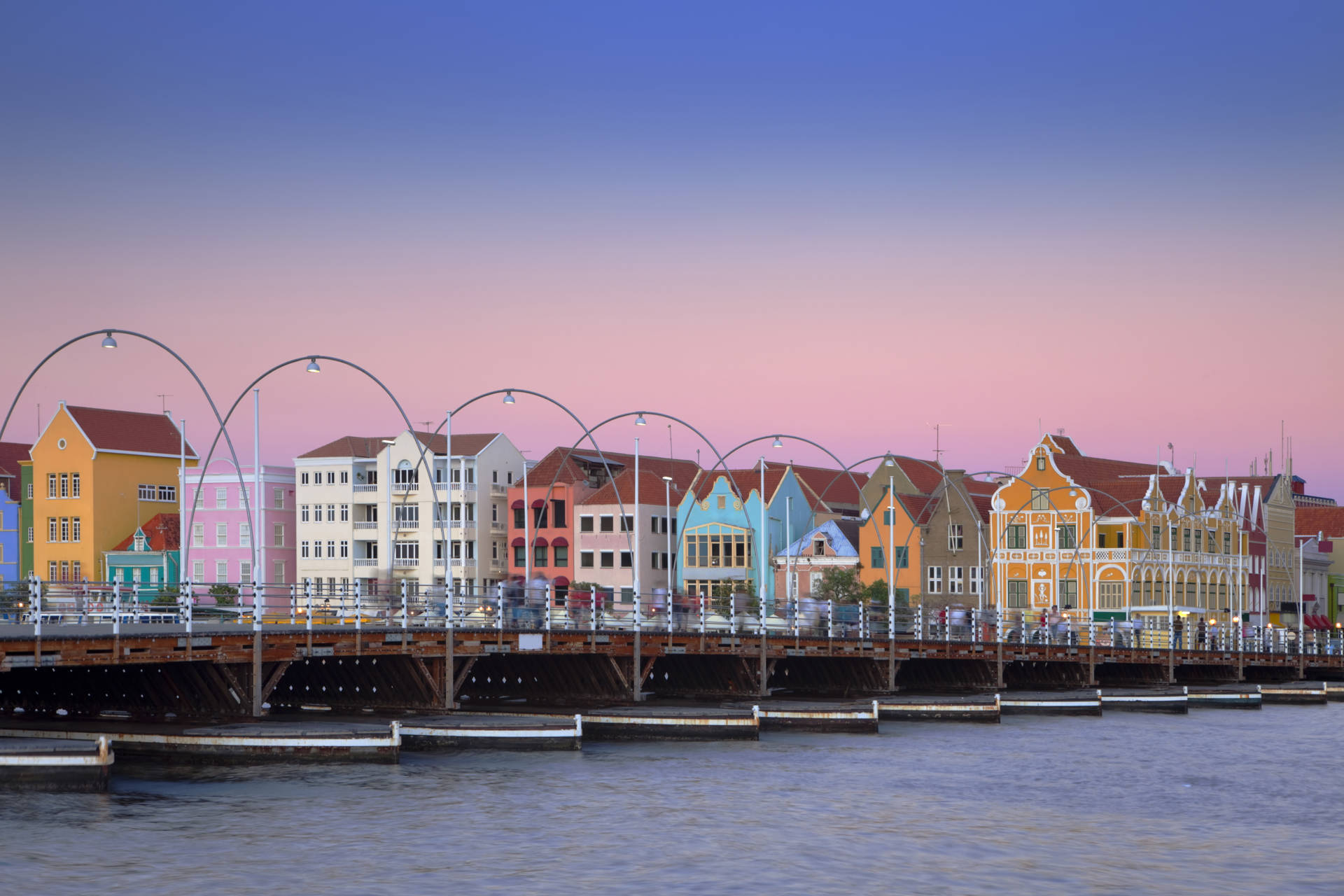
In the heart of Willemstad, right where the St. Anna Bay divides the city into two historic districts, stands one of the Caribbean’s most emblematic and dynamic structures: the Queen Emma Bridge. More than just a pedestrian crossing, this floating bridge is a living symbol of Curaçao—a meeting point of architecture, engineering, and daily life. For travelers arriving on the island through Arajet’s destination network and searching for what to do in Willemstad in a strategic, cultural, and visually striking way, crossing the Queen Emma Bridge is not simply an activity—it is an essential experience that connects history, landscape, and movement in a matter of minutes.
Important information before your visit
- Location: Historic center of Willemstad, spanning St. Anna Bay
- Distance from the international airport: Approximately 12 kilometers
- Estimated transfer time from the airport: 20 to 25 minutes by car.
- Entrance: Free; public pedestrian bridge
- Best time to cross: At sunset, when the light enhances the façades colors and reflections intensify on the water.
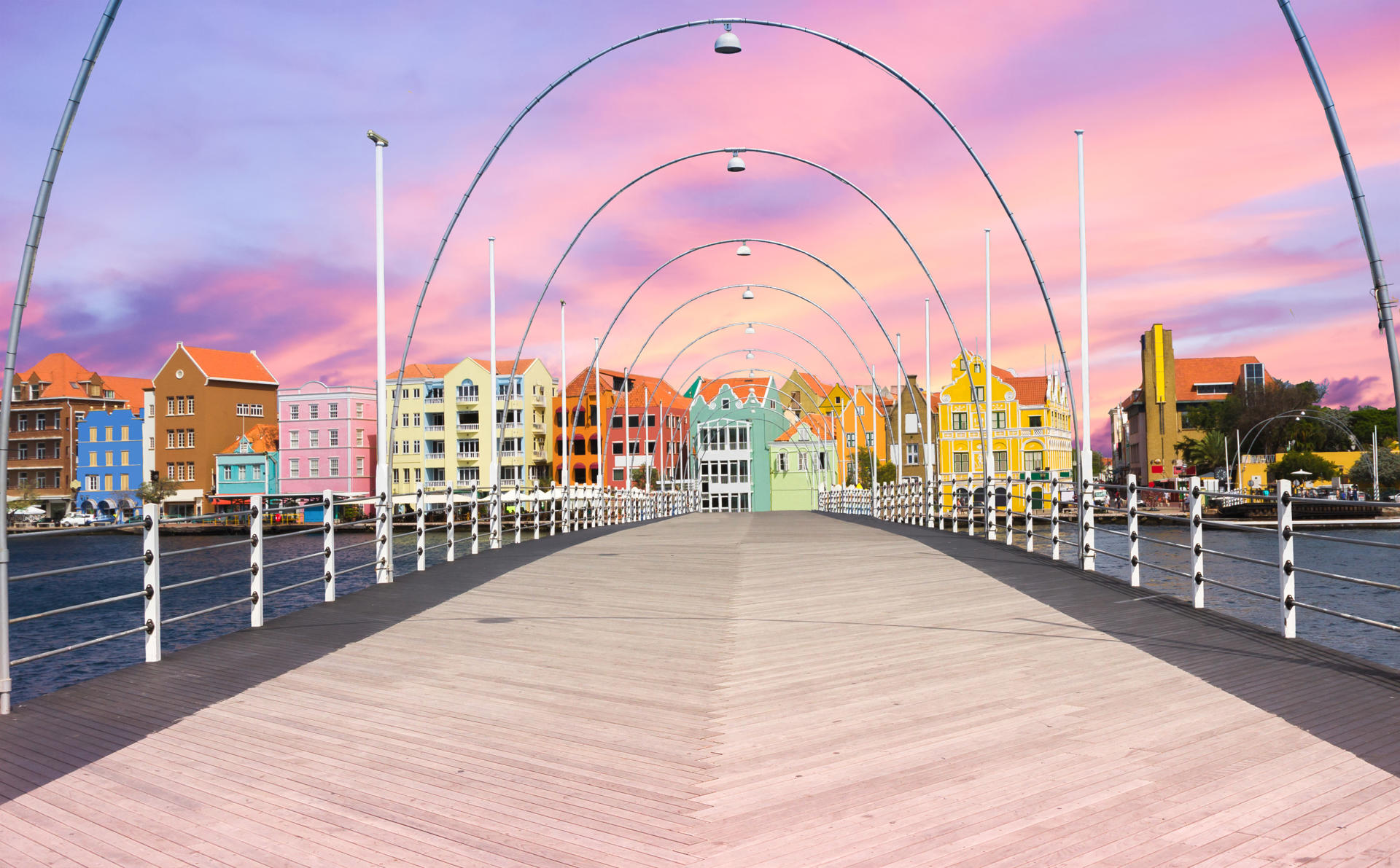
The ideal time to enjoy the bridge within a Willemstad itinerary is flexible. Crossing takes about five minutes, but pausing at its midpoint to observe the bay can extend the experience. Many visitors spend 20 to 30 minutes walking slowly, taking photographs, and soaking in the surroundings.
For photography enthusiasts, the Queen Emma Bridge offers one of the best vantage points in Curaçao. From its center, you can capture the iconic row of colorful waterfront buildings that define the island’s image. Reflections on the water add depth and symmetry. During golden hour, the light softens vibrant tones, creating a cinematic atmosphere. At night, urban lighting introduces a more intimate and elegant mood.
In terms of preparation, no special equipment is required. Comfortable footwear makes walking easier on the bridge’s metal and wooden surfaces. Sun protection is recommended during the day, as the crossing is fully exposed.
Beyond its practical function, the Queen Emma Bridge plays a symbolic role in any trip to Curaçao. It represents constant connection—between tradition and modernity, European architecture and Caribbean environment. Locals and visitors share the same crossing, creating an authentic, everyday experience.
The bridge also invites observation. From its span, you can watch small boats glide by, see the rhythm of the harbor, and feel the gentle sway of the water. Designated seating areas allow visitors to pause and contemplate without rushing. That blend of movement and stillness transforms the bridge into something far more meaningful than a simple crossing.
Crossing it at different times of day reveals subtle changes in atmosphere. Morning light is clear and crisp; midday brings maximum color saturation; sunset bathes the bay in warm tones reflected across the water. Each moment offers a distinct visual experience.
When leaving Willemstad’s historic center, the memory of the Queen Emma Bridge remains vivid. It is not just a functional structure—it is the point where the city opens up and breathes toward the sea.
For those flying with Arajet and looking for what to do in Curaçao in a smart, cultural, and perfectly organized way, the Queen Emma Bridge is an essential stop. Accessible, dynamic, and deeply symbolic, it delivers one of the most representative moments of tourism in Curaçao in just a few strategically used minutes. It proves that making the most of your time also means pausing above the water, feeling the gentle motion beneath your feet, and witnessing how city and sea connect in perfect harmony.
For photography enthusiasts, the Queen Emma Bridge offers one of the best vantage points in Curaçao. From its center, you can capture the iconic row of colorful waterfront buildings that define the island’s image. Reflections on the water add depth and symmetry. During golden hour, the light softens vibrant tones, creating a cinematic atmosphere. At night, urban lighting introduces a more intimate and elegant mood.
In terms of preparation, no special equipment is required. Comfortable footwear makes walking easier on the bridge’s metal and wooden surfaces. Sun protection is recommended during the day, as the crossing is fully exposed.
Beyond its practical function, the Queen Emma Bridge plays a symbolic role in any trip to Curaçao. It represents constant connection—between tradition and modernity, European architecture and Caribbean environment. Locals and visitors share the same crossing, creating an authentic, everyday experience.
The bridge also invites observation. From its span, you can watch small boats glide by, see the rhythm of the harbor, and feel the gentle sway of the water. Designated seating areas allow visitors to pause and contemplate without rushing. That blend of movement and stillness transforms the bridge into something far more meaningful than a simple crossing.
Crossing it at different times of day reveals subtle changes in atmosphere. Morning light is clear and crisp; midday brings maximum color saturation; sunset bathes the bay in warm tones reflected across the water. Each moment offers a distinct visual experience.
When leaving Willemstad’s historic center, the memory of the Queen Emma Bridge remains vivid. It is not just a functional structure—it is the point where the city opens up and breathes toward the sea.
For those flying with Arajet and looking for what to do in Curaçao in a smart, cultural, and perfectly organized way, the Queen Emma Bridge is an essential stop. Accessible, dynamic, and deeply symbolic, it delivers one of the most representative moments of tourism in Curaçao in just a few strategically used minutes. It proves that making the most of your time also means pausing above the water, feeling the gentle motion beneath your feet, and witnessing how city and sea connect in perfect harmony.