
From the very first stretch, the atmosphere feels distinct from the rest of Downtown. Here, you’re not simply walking between buildings—you’re moving among historic and contemporary towers that seem to rise directly from the river’s edge. The proximity to the water completely transforms the urban experience.
Historically, the Chicago River was the industrial and commercial engine that fueled the city’s growth. In the 19th century, its reversal and subsequent development accelerated Chicago’s economic expansion. Over time, the river evolved from a purely functional waterway into an aesthetic centerpiece. The Riverwalk, developed and expanded in phases throughout the 21st century, represents the culmination of that urban transformation.
From a sensory perspective, the walk is dynamic yet harmonious. The steady sound of water flowing beneath steel bridges creates a natural soundtrack. Tour boats and private vessels glide by slowly, sending gentle ripples across the surface. Even in summer, the breeze that channels through the corridor offers refreshing relief.
One of the Riverwalk’s most appealing features is its thematic segmentation. Each section has a slightly different atmosphere—waterfront seating areas, stepped terraces descending to the river’s edge, small green spaces, and strategic viewpoints tucked beneath historic bridges. This thoughtful design keeps the experience engaging from start to finish.
From a time-efficiency standpoint, the Riverwalk is highly strategic. The main stretch spans approximately one mile (1.6 kilometers), making it possible to complete in 1.5 to 3 hours depending on pace. A smart approach is to begin at the western end and walk east toward Lake Michigan, where the river opens into a broader, more expansive horizon.
For travelers who value clear logistics and budget-conscious planning, consider these practical details:
Chicago Riverwalk
Chicago, US
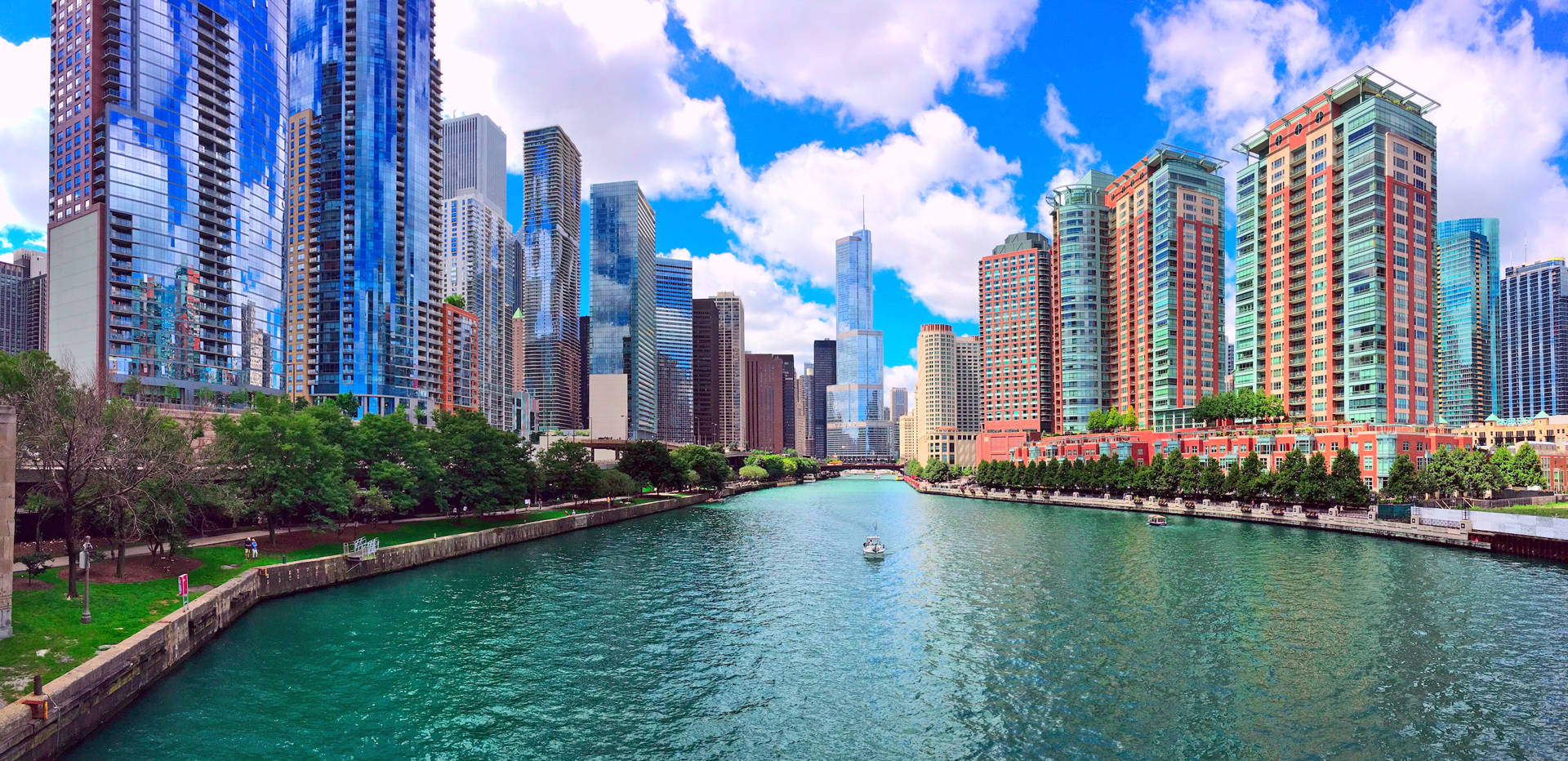
In the heart of Downtown Chicago, where skyscrapers shimmer against the emerald-green waters of the river, lies one of the most captivating urban promenades in the United States: the Chicago Riverwalk. This pedestrian corridor, winding at water level along the Chicago River, offers a perspective unlike any other on the city’s most iconic architecture. For travelers arriving in Illinois through Arajet’s growing destination network and wondering what to do in Chicago while maximizing every minute, the Riverwalk delivers a strategic, compact, and visually immersive experience that reveals the architectural essence of the city in just a few well-planned hours.
Important information before your visit
- Location: Downtown Chicago, along the Chicago River between Franklin Street and Lake Shore Drive
- Distance from O’Hare International Airport: approximately 28 kilometers (17 miles)
- Estimated travel time from the airport: 35–50 minutes, depending on traffic or public transportation.
- Admission: Free; public promenade
- Approximate length: 1.6 kilometers (1 mile)
- Recommended duration: 2–4 hours if walking leisurely with stops at viewpoints.
- Best time to visit: Spring and summer, or at sunset for reflected light on building façades.
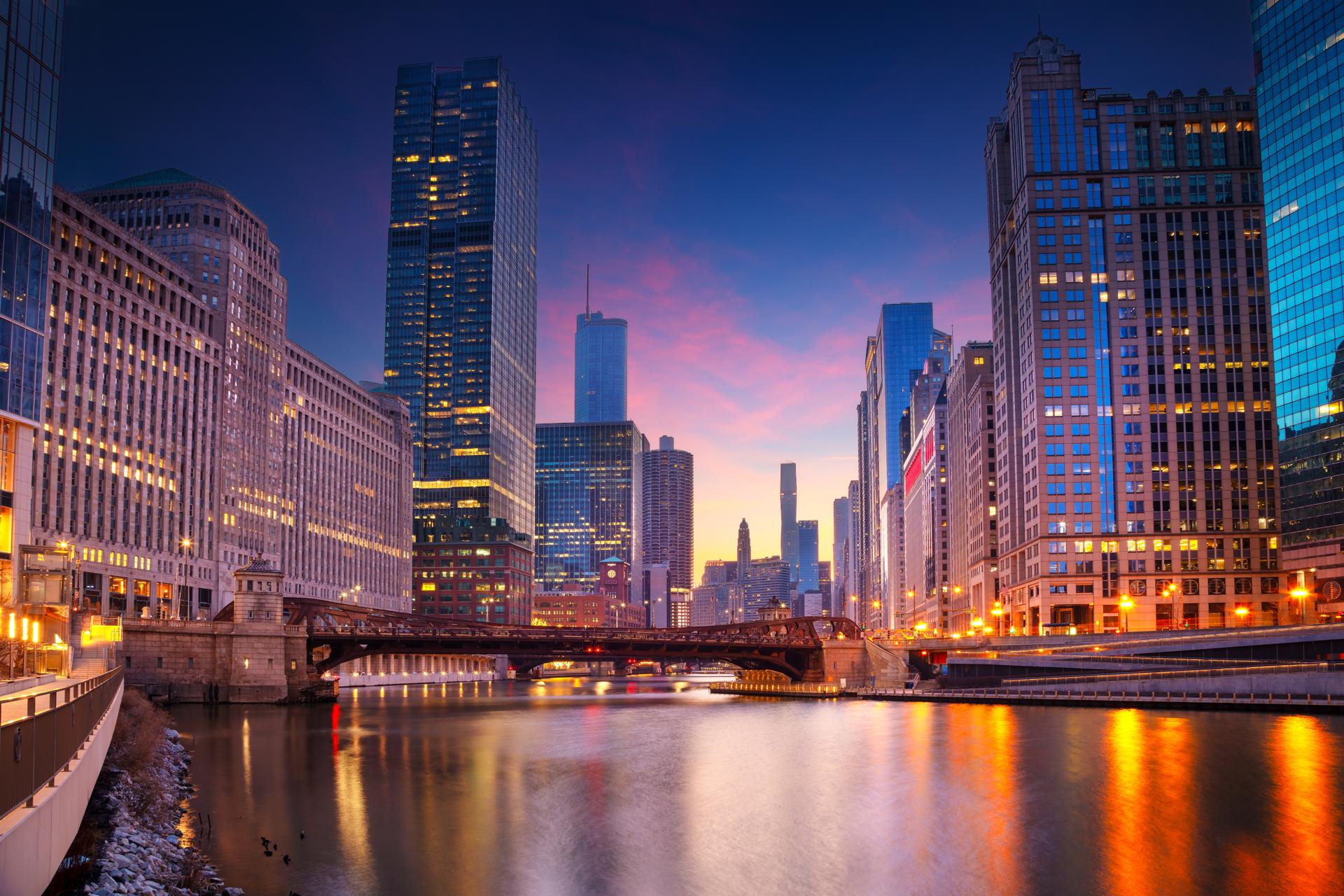
The ideal time to fully enjoy the Chicago Riverwalk is half a day if combined with nearby landmarks such as Millennium Park or the Lakefront Trail. However, even a shorter visit delivers immediate visual impact.
For photography enthusiasts, the Riverwalk functions as an open-air architectural studio. From water level, you can capture upward angles of historic skyscrapers with ornate detailing alongside sleek, modern glass towers. The iconic drawbridges add an industrial character that enriches every composition.
At sunrise, soft light illuminates east-facing façades. At sunset, the sky shifts to warm hues that reflect simultaneously on the river’s surface and the mirrored glass of nearby buildings. The subsequent blue hour creates a sophisticated urban atmosphere as city lights gradually come alive.
In terms of preparation, comfortable walking shoes are essential, as the promenade is continuous and primarily paved. Depending on the season, a light extra layer is advisable due to wind funneled between buildings. In summer, sun protection is recommended, though parts of the walk benefit from shade cast by bridges.
Beyond its visual appeal, the Chicago Riverwalk plays a vital role in understanding why Chicago is considered one of the world’s architectural capitals. From this lower vantage point near the water, the diversity of styles that define the city’s skyline becomes especially apparent.
The experience also encourages quiet contemplation. Sitting on the stepped terraces by the river and watching boats pass creates a sense of movement that feels calm rather than hurried—a striking contrast to the fast pace of the streets above.
One of the most impactful moments along the route is passing beneath the historic bridges. From below, their steel frameworks reveal intricate details that often go unnoticed from street level. This shift in perspective adds depth and dimension to the experience.
As you approach Lake Michigan, the river widens, and the horizon expands. The transition from the enclosed Downtown corridor to the openness of the lake creates a memorable visual crescendo, bringing the walk to a natural and satisfying conclusion.
When you leave the Riverwalk to return to street level or continue toward the lakefront, you carry the sense of having discovered Chicago through its historic backbone. It is more than a promenade—it is a living lesson in urban planning and architectural innovation.
For those flying with Arajet and seeking what to do in Chicago in a smart, cultural, and well-organized way, the Chicago Riverwalk is an essential stop. Free, compact, and strategically located in the heart of Downtown, it offers one of the city’s most complete urban experiences in just a few well-spent hours. It proves that making the most of your time also means descending to water level, walking among mirrored skyscrapers, and understanding how the river that gave birth to the city continues to shape its modern identity along the shores of Lake Michigan.
For photography enthusiasts, the Riverwalk functions as an open-air architectural studio. From water level, you can capture upward angles of historic skyscrapers with ornate detailing alongside sleek, modern glass towers. The iconic drawbridges add an industrial character that enriches every composition.
At sunrise, soft light illuminates east-facing façades. At sunset, the sky shifts to warm hues that reflect simultaneously on the river’s surface and the mirrored glass of nearby buildings. The subsequent blue hour creates a sophisticated urban atmosphere as city lights gradually come alive.
In terms of preparation, comfortable walking shoes are essential, as the promenade is continuous and primarily paved. Depending on the season, a light extra layer is advisable due to wind funneled between buildings. In summer, sun protection is recommended, though parts of the walk benefit from shade cast by bridges.
Beyond its visual appeal, the Chicago Riverwalk plays a vital role in understanding why Chicago is considered one of the world’s architectural capitals. From this lower vantage point near the water, the diversity of styles that define the city’s skyline becomes especially apparent.
The experience also encourages quiet contemplation. Sitting on the stepped terraces by the river and watching boats pass creates a sense of movement that feels calm rather than hurried—a striking contrast to the fast pace of the streets above.
One of the most impactful moments along the route is passing beneath the historic bridges. From below, their steel frameworks reveal intricate details that often go unnoticed from street level. This shift in perspective adds depth and dimension to the experience.
As you approach Lake Michigan, the river widens, and the horizon expands. The transition from the enclosed Downtown corridor to the openness of the lake creates a memorable visual crescendo, bringing the walk to a natural and satisfying conclusion.
When you leave the Riverwalk to return to street level or continue toward the lakefront, you carry the sense of having discovered Chicago through its historic backbone. It is more than a promenade—it is a living lesson in urban planning and architectural innovation.
For those flying with Arajet and seeking what to do in Chicago in a smart, cultural, and well-organized way, the Chicago Riverwalk is an essential stop. Free, compact, and strategically located in the heart of Downtown, it offers one of the city’s most complete urban experiences in just a few well-spent hours. It proves that making the most of your time also means descending to water level, walking among mirrored skyscrapers, and understanding how the river that gave birth to the city continues to shape its modern identity along the shores of Lake Michigan.