
Reaching Times Square from Newark is part of a smart logistical plan. Rail connections into Manhattan typically take about 30 to 40 minutes, depending on the service. From there, a short subway ride—or even a walk—leads directly to one of the world’s most famous intersections. That efficiency makes Times Square an ideal option even for layovers or half-day visits.
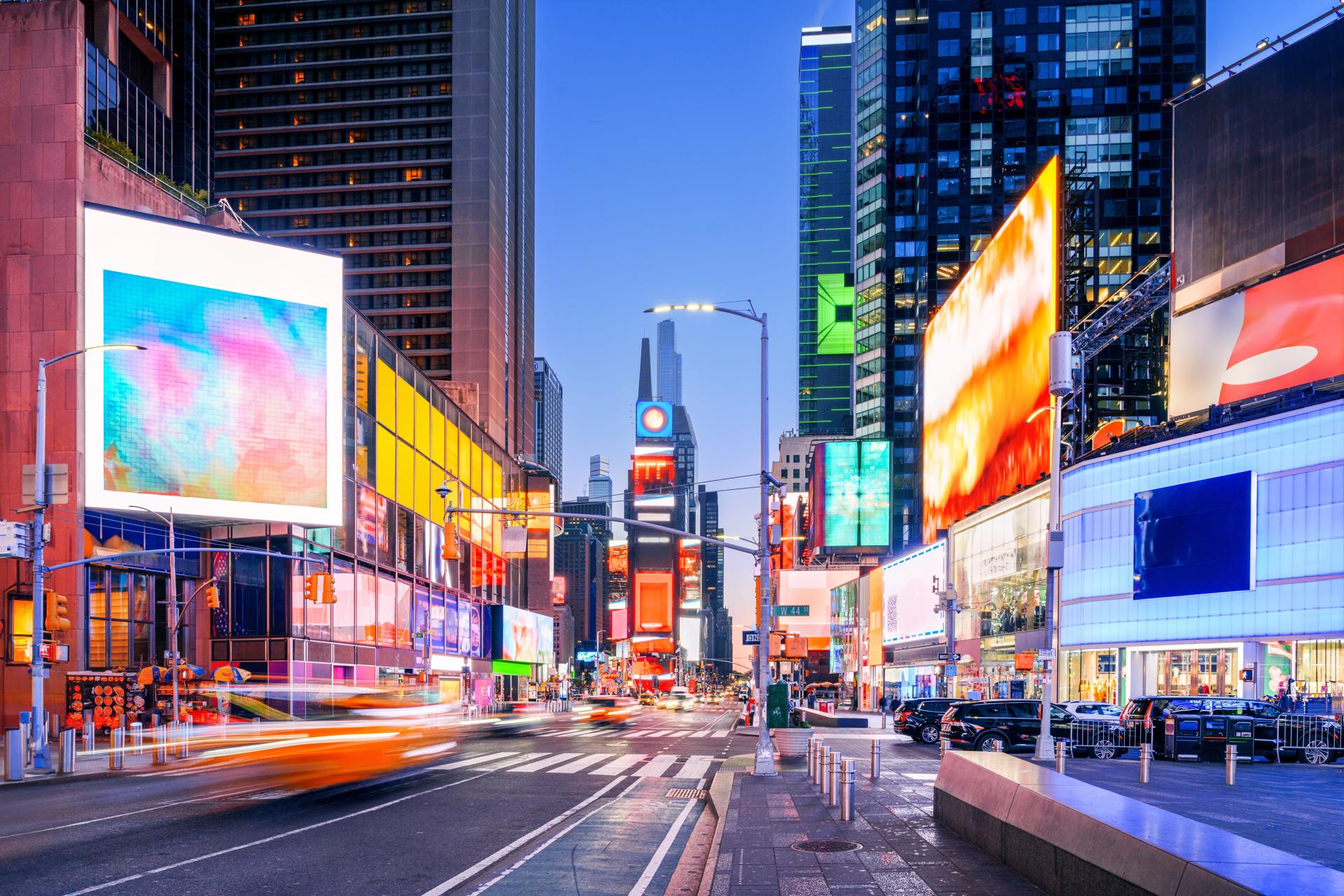
The first impression upon emerging from the station is overwhelming—in the best possible way. Digital billboards several stories high cover entire façades. Animated advertisements flood the surroundings with vibrant color, even in broad daylight. Manhattan’s vertical architecture encloses the plaza, creating the sensation of standing inside a grand urban stage.
Historically, Times Square was not always the radiant epicenter we know today. In the early 20th century, the area developed as a theater district. Over time, illuminated signage transformed the nighttime skyline, turning the neighborhood into a symbol of modernity and motion. The tradition of celebrating New Year’s Eve with the iconic ball drop cemented its global status.
From a sensory perspective, Times Square is pure intensity. The soundscape is constant: conversations in countless languages, music from street performers, the steady hum of traffic. The air can feel warmer due to the concentration of lights and movement. The eye never rests—every direction offers new visual stimuli.
One of Times Square’s greatest advantages is its pedestrian-friendly design. Large sections are designated for foot traffic, making it possible to move comfortably despite heavy crowds. Taking a few minutes to stand at the center of the intersection reveals the human diversity that defines New York—tourists, professionals, artists, and locals sharing the same vibrant space.
From a time-efficiency standpoint, Times Square is remarkably convenient. Within a few blocks, visitors will find historic theaters, flagship stores, and direct access to other key Midtown landmarks such as Bryant Park and Fifth Avenue. A smart strategy is to dedicate one to two hours to the main intersection, then extend the walk into adjacent streets.
For travelers who value clear logistics and organized planning, consider these practical details:
Times Square
Newark/New York, US
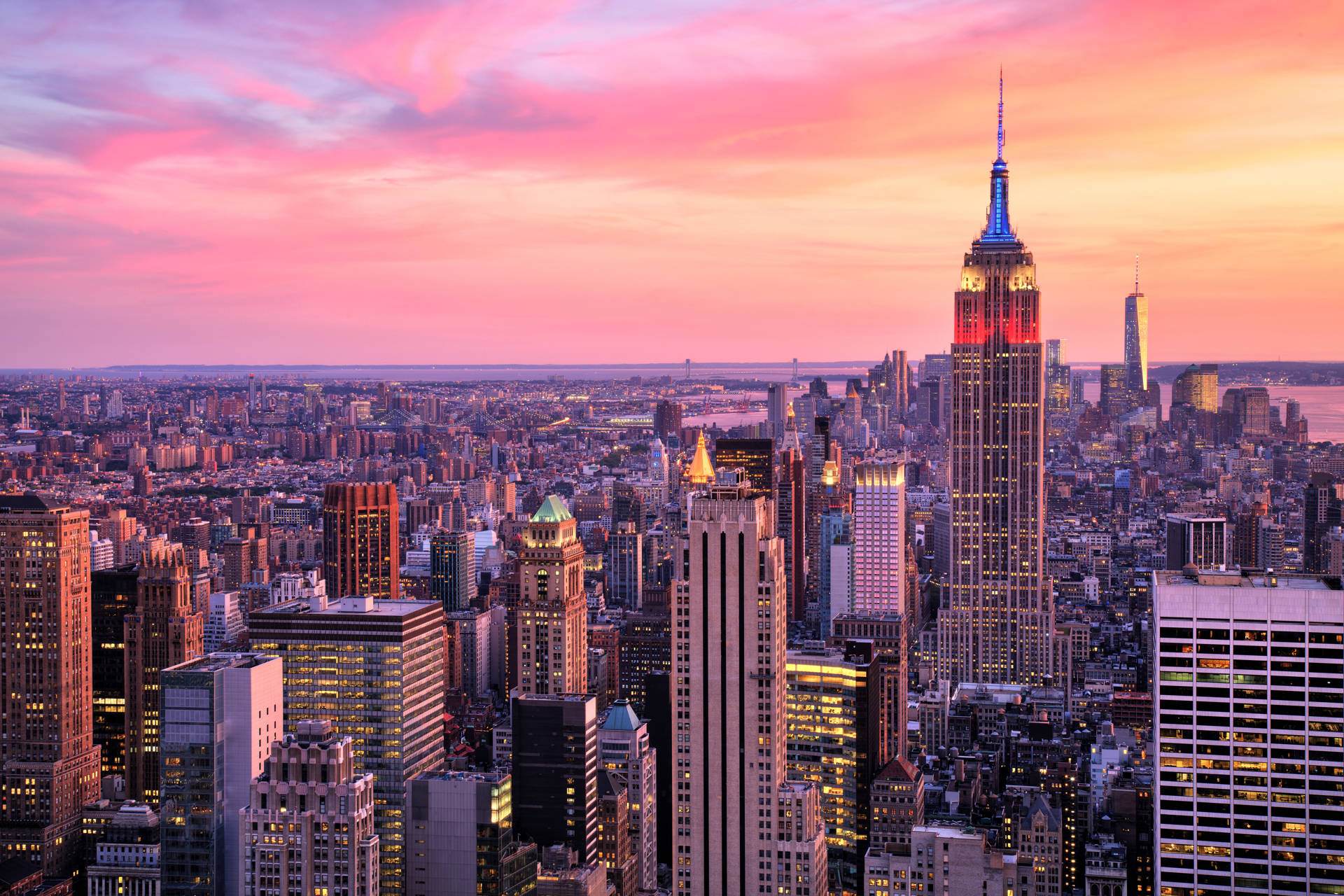
If there is one place that captures the unstoppable energy of New York City, it is Times Square. Located in the heart of Manhattan, this luminous intersection is far more than a crossroads—it is a permanent urban spectacle where massive digital screens, historic theaters, and a constant flow of people create an electrifying atmosphere at any hour of the day. For travelers arriving in the metropolitan area via Newark through Arajet’s expanding destination network and wondering what to do in New York while maximizing every minute, Times Square is a strategic, high-impact stop concentrated within just a few blocks—allowing visitors to experience the city’s pulse in a matter of hours.
Important information before your visit
- Location: Intersection of Broadway and Seventh Avenue, Manhattan
- Distance from Newark Airport: approximately 26 kilometers (16 miles)
- Estimated travel time from Newark Liberty International Airport: 35 to 60 minutes, depending on transportation method and traffic.
- Access: Free; public space
- Best time to visit: After sunset, when the illuminated screens reach their full visual impact.
The ideal amount of time to fully experience Times Square is about 1.5 to 3 hours if you want to walk at a relaxed pace, take photographs, and absorb the atmosphere. It integrates easily into a broader Midtown itinerary.
For photography enthusiasts, Times Square is a visual playground. During the day, the contrast between skyscrapers and digital screens creates a striking modern composition. At night, the intense lighting allows for vibrant images without the need for long exposures. After rainfall, reflections on the pavement add dramatic depth to the scene.
Preparation is important. Comfortable footwear is recommended, as you will be walking and standing in busy areas. Keep personal belongings secure due to the high concentration of visitors. In winter, wind tunnels between buildings can intensify the cold, so appropriate clothing is essential.
Beyond its visual spectacle, Times Square plays a fundamental role in understanding New York City. It symbolizes the city’s relentless energy and global dimension. Nowhere else does Manhattan’s dynamism feel quite as concentrated.
The experience also invites active observation. Sitting on the iconic red steps at the northern end of the square allows you to watch the continuous flow of people and lights. From that vantage point, the intersection resembles a cinematic set in which every passerby becomes part of the scene.
As night falls, Times Square reaches its peak intensity. Screens glow even brighter, and the area takes on a near-daylight luminosity. The dark sky contrasts sharply with the saturation of digital color, creating a uniquely immersive urban environment.
When you eventually leave Times Square—whether heading to another Manhattan neighborhood or returning to Newark—you carry the feeling of having witnessed the beating heart of New York. It is not quiet or serene; it is a concentrated expression of urban dynamism.
For those flying with Arajet and planning what to do in New York in a smart, iconic, and well-organized way, Times Square is an essential stop. Easily accessible from Newark and strategically located in Midtown, it offers one of the most intense urban experiences in the world within just a few well-used hours. It proves that making the most of your time also means standing at the center of the lights, absorbing the collective energy, and discovering why this intersection has become a universal symbol of the city that never sleeps.
For photography enthusiasts, Times Square is a visual playground. During the day, the contrast between skyscrapers and digital screens creates a striking modern composition. At night, the intense lighting allows for vibrant images without the need for long exposures. After rainfall, reflections on the pavement add dramatic depth to the scene.
Preparation is important. Comfortable footwear is recommended, as you will be walking and standing in busy areas. Keep personal belongings secure due to the high concentration of visitors. In winter, wind tunnels between buildings can intensify the cold, so appropriate clothing is essential.
Beyond its visual spectacle, Times Square plays a fundamental role in understanding New York City. It symbolizes the city’s relentless energy and global dimension. Nowhere else does Manhattan’s dynamism feel quite as concentrated.
The experience also invites active observation. Sitting on the iconic red steps at the northern end of the square allows you to watch the continuous flow of people and lights. From that vantage point, the intersection resembles a cinematic set in which every passerby becomes part of the scene.
As night falls, Times Square reaches its peak intensity. Screens glow even brighter, and the area takes on a near-daylight luminosity. The dark sky contrasts sharply with the saturation of digital color, creating a uniquely immersive urban environment.
When you eventually leave Times Square—whether heading to another Manhattan neighborhood or returning to Newark—you carry the feeling of having witnessed the beating heart of New York. It is not quiet or serene; it is a concentrated expression of urban dynamism.
For those flying with Arajet and planning what to do in New York in a smart, iconic, and well-organized way, Times Square is an essential stop. Easily accessible from Newark and strategically located in Midtown, it offers one of the most intense urban experiences in the world within just a few well-used hours. It proves that making the most of your time also means standing at the center of the lights, absorbing the collective energy, and discovering why this intersection has become a universal symbol of the city that never sleeps.