
From the moment you leave the city behind, the surroundings begin to shift. Streets widen, the horizon expands, and the mountains emerge as a constant presence, setting the tone for the landscape. Vineyards stretch in orderly lines that seem to follow the natural logic of the terrain, creating a visual harmony that is hard to forget. This is not a static landscape—it changes with the light, the seasons, and the time of day, making each journey feel distinct even if you follow the same road.
Above all, the Wine Route is an experience shaped by time. Everything here unfolds at a slower, more conscious pace. It is not about rushing from one stop to another, but about observing how the scenery accompanies each stretch of the drive. Silence feels deeper than in the city, interrupted only by wind or distant sounds that reinforce the sense of being in a place that is both productive and deeply natural.
One of the Wine Route’s greatest strengths is its diversity. While the concept may seem unified, each area has its own personality, defined by altitude, soil, and its relationship with the Andes. Attentive travelers will notice how subtle variations in the landscape create nuanced shifts in atmosphere. This diversity makes the journey rich and engaging—even for those without technical knowledge of wine.
From a sensory standpoint, the experience is immersive and consistent. The air is dry and clean, carrying aromas of earth, vegetation, and sun-warmed soil. The light is bright and crisp, especially in the morning and early afternoon, intensifying the colors of the surroundings. The contrast between the vibrant green vineyards and the ochre tones of the arid terrain creates a visual identity deeply associated with Mendoza.
The Wine Route also reveals the relationship between people and a demanding environment. Mendoza’s landscape is not naturally fertile; it requires planning, effort, and expertise. Observing irrigation channels, cultivated rows, and the integration of agriculture into a dry setting adds a cultural dimension to the visit. It is not simply a culinary or scenic route—it is a quiet lesson in adaptation and perseverance.
From a time-management perspective, the Wine Route is more flexible than many expect. It does not require several days to be meaningful. With thoughtful planning, you can enjoy a complete experience in half a day or a full day, combining scenic drives, short walks, and mindful pauses. This adaptability makes it ideal for both short stays and longer trips.
For travelers who value clear logistics and budget-friendly planning, consider these practical details:
Wine Route
Mendoza, AR
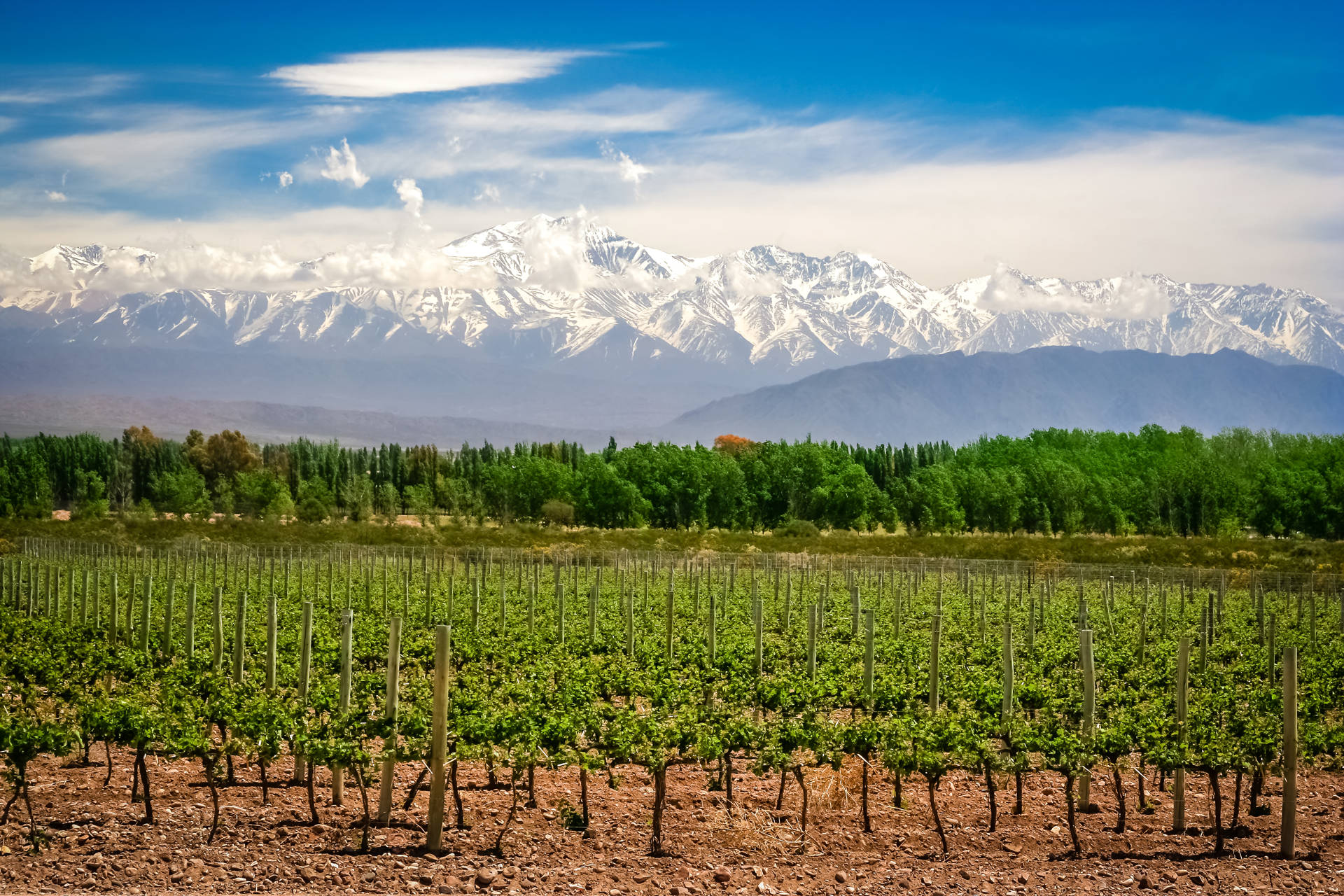
Mendoza’s Wine Route is not a single place or a rigid itinerary, but an experience that unfolds through landscape, climate, and the unhurried rhythm that defines this region. It is the productive and cultural heart of the province, where land, sun, and the Andes come together to shape one of Argentina’s most recognizable identities. For travelers arriving through Arajet’s destination network and looking for what to do in Mendoza beyond the urban center, the Wine Route offers a deep, sensory experience—surprisingly efficient when planned with clarity.
Important information before your visit
- Distance from downtown Mendoza: between 15 and 40 kilometers, depending on the area chosen.
- Estimated travel time: between 30 minutes and 1 hour.
- Admission: open access to rural roads and vineyard regions.
- Recommended visiting hours: mid-morning through mid-afternoon.
- Best time to go: morning, when the light is softer and temperatures more comfortable.
The ideal duration depends on your approach. A shorter visit might focus on one specific area and last just a few hours, while a full-day outing allows for a more relaxed pace and extended pauses. In both cases, the experience feels complete because the landscape itself is the main attraction.
For photography enthusiasts, the Wine Route is one of Mendoza’s most photogenic settings. Perfect vineyard lines, the dramatic backdrop of the Andes, and expansive skies create almost effortless compositions. Morning light enhances the greens and sharp contrasts, while sunset bathes the scenery in golden and ochre tones, adding depth and warmth to every image.
Preparation is simple but important. Comfortable clothing and sturdy footwear suitable for walking on gravel or dirt paths are essential. Sun protection is crucial—even on cooler days—due to the intensity of the light. Bringing water ensures you stay hydrated, and a hat makes the experience far more comfortable under the open sky.
On a deeper level, the Wine Route plays an essential role in any Mendoza itinerary: it connects visitors to the region’s productive and cultural identity. It is not only about tasting or observing, but about understanding how the landscape has shaped a way of life. That awareness transforms the experience and makes it more meaningful.
The route also offers an opportunity for more conscious travel. The setting encourages slower movement, close observation, and appreciation of the processes behind each cultivated field. For many travelers, this provides a welcome contrast to more intense urban sightseeing, adding balance and depth to the trip.
As the day progresses, the landscape shifts noticeably. Lower light softens colors, shadows stretch across the vineyards, and the Andes take on a more defined presence. Even the return journey feels like part of the experience, closing the day in a natural and contemplative way.
When you return to the city, your perception of Mendoza changes. The Wine Route provides context, revealing the source of much of the region’s identity and how the natural environment influences daily life. That connection lingers beyond the visit and enriches the entire journey.
For those flying with Arajet and searching for what to do in Mendoza in a smart and balanced way, the Wine Route is an essential experience. Flexible, deeply sensory, and rich in identity, it proves that making the most of your time does not always mean seeing more places—it means choosing the ones that best explain a destination. It is an invitation to travel slowly, observe carefully, and let the landscape tell its own story.
For photography enthusiasts, the Wine Route is one of Mendoza’s most photogenic settings. Perfect vineyard lines, the dramatic backdrop of the Andes, and expansive skies create almost effortless compositions. Morning light enhances the greens and sharp contrasts, while sunset bathes the scenery in golden and ochre tones, adding depth and warmth to every image.
Preparation is simple but important. Comfortable clothing and sturdy footwear suitable for walking on gravel or dirt paths are essential. Sun protection is crucial—even on cooler days—due to the intensity of the light. Bringing water ensures you stay hydrated, and a hat makes the experience far more comfortable under the open sky.
On a deeper level, the Wine Route plays an essential role in any Mendoza itinerary: it connects visitors to the region’s productive and cultural identity. It is not only about tasting or observing, but about understanding how the landscape has shaped a way of life. That awareness transforms the experience and makes it more meaningful.
The route also offers an opportunity for more conscious travel. The setting encourages slower movement, close observation, and appreciation of the processes behind each cultivated field. For many travelers, this provides a welcome contrast to more intense urban sightseeing, adding balance and depth to the trip.
As the day progresses, the landscape shifts noticeably. Lower light softens colors, shadows stretch across the vineyards, and the Andes take on a more defined presence. Even the return journey feels like part of the experience, closing the day in a natural and contemplative way.
When you return to the city, your perception of Mendoza changes. The Wine Route provides context, revealing the source of much of the region’s identity and how the natural environment influences daily life. That connection lingers beyond the visit and enriches the entire journey.
For those flying with Arajet and searching for what to do in Mendoza in a smart and balanced way, the Wine Route is an essential experience. Flexible, deeply sensory, and rich in identity, it proves that making the most of your time does not always mean seeing more places—it means choosing the ones that best explain a destination. It is an invitation to travel slowly, observe carefully, and let the landscape tell its own story.