
From the first step onto its dirt paths and open lawns, it becomes clear that this park carries a distinct identity. It was not originally designed as a recreational space but as communal land used for grazing livestock and military drills during the colonial era. Over the centuries, the Common evolved into a civic gathering place, hosting public speeches, protests, and historic celebrations.
Boston Common has witnessed pivotal moments in American history. From Revolutionary-era assemblies to civil rights demonstrations, the park has served as a platform for public expression for nearly four centuries. Walking its grounds feels like moving across layered chapters of collective memory.
From a sensory perspective, the experience strikes a balance between serenity and vitality. Leaves rustle in the wind while conversations among students, professionals, and visitors fill the air. The scent of damp grass in spring contrasts with the crisp, dry winter air characteristic of New England. Each season reshapes the atmosphere, giving the park a constantly evolving character.
One of the Common’s defining features is its open expanse. Unlike rigidly structured formal gardens, it offers broad lawns where visitors can roam freely, sit beneath trees, or simply observe the surroundings. Gentle rises in the terrain allow glimpses of the surrounding skyline, creating an ongoing dialogue between nature and historic architecture.
The park connects seamlessly to the adjacent Public Garden, extending the green corridor through central Boston. Yet even on its own, Boston Common provides ample historical and visual substance for a well-planned visit.
From a time-efficiency standpoint, the Common is exceptionally practical. Its central location makes it an ideal starting point for exploring the city—whether beginning the Freedom Trail or walking toward nearby historic neighborhoods. A smart strategy is to dedicate 1.5 to 3 hours to exploring the park before continuing onward.
For travelers who prioritize clear logistics and budget-conscious planning, consider these practical details:
Boston Common
Boston, US
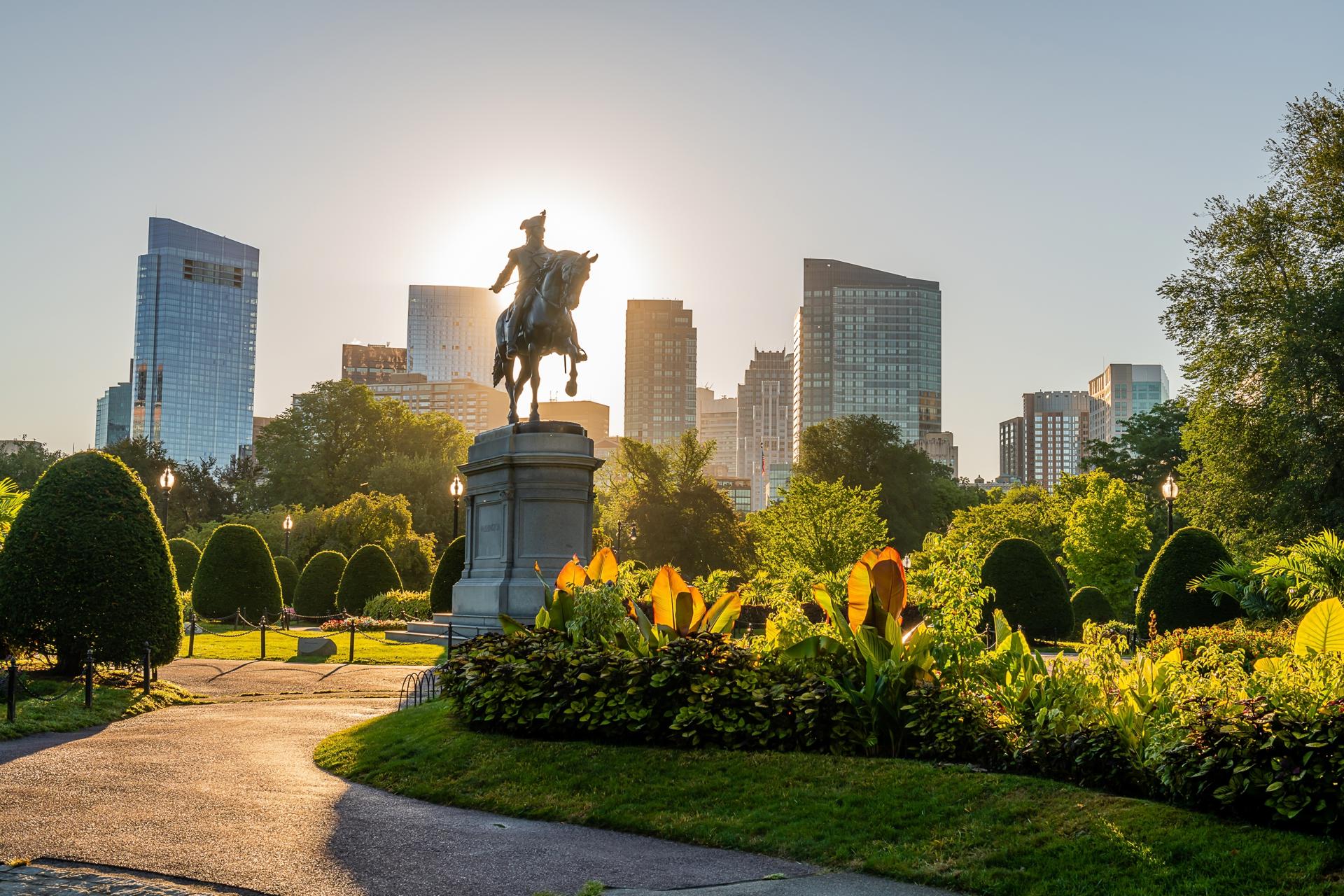
In the heart of Boston, surrounded by historic avenues and government buildings, lies the oldest public park in the United States: Boston Common. Founded in 1634, this green space is far more than an urban park; it is a stage where colonial history, social movements, and contemporary city life converge in remarkable harmony. For travelers arriving in Massachusetts through Arajet’s growing destination network and looking for what to do in Boston while maximizing every minute, Boston Common offers a strategic, compact, and deeply symbolic stop that can be explored in just a few hours without sacrificing historical depth or sensory richness.
Important information before your visit
- Location: Central Boston, near Beacon Street and Tremont Street
- Distance from Logan International Airport: Approximately 6 kilometers (4 miles)
- Estimated travel time from the airport: 15–25 minutes, depending on traffic or public transportation.
- Access: Free; public park
- Recommended duration: 2–4 hours if combined with the Public Garden
- Best time to visit: Spring and fall for pleasant weather, or early morning for greater tranquility.
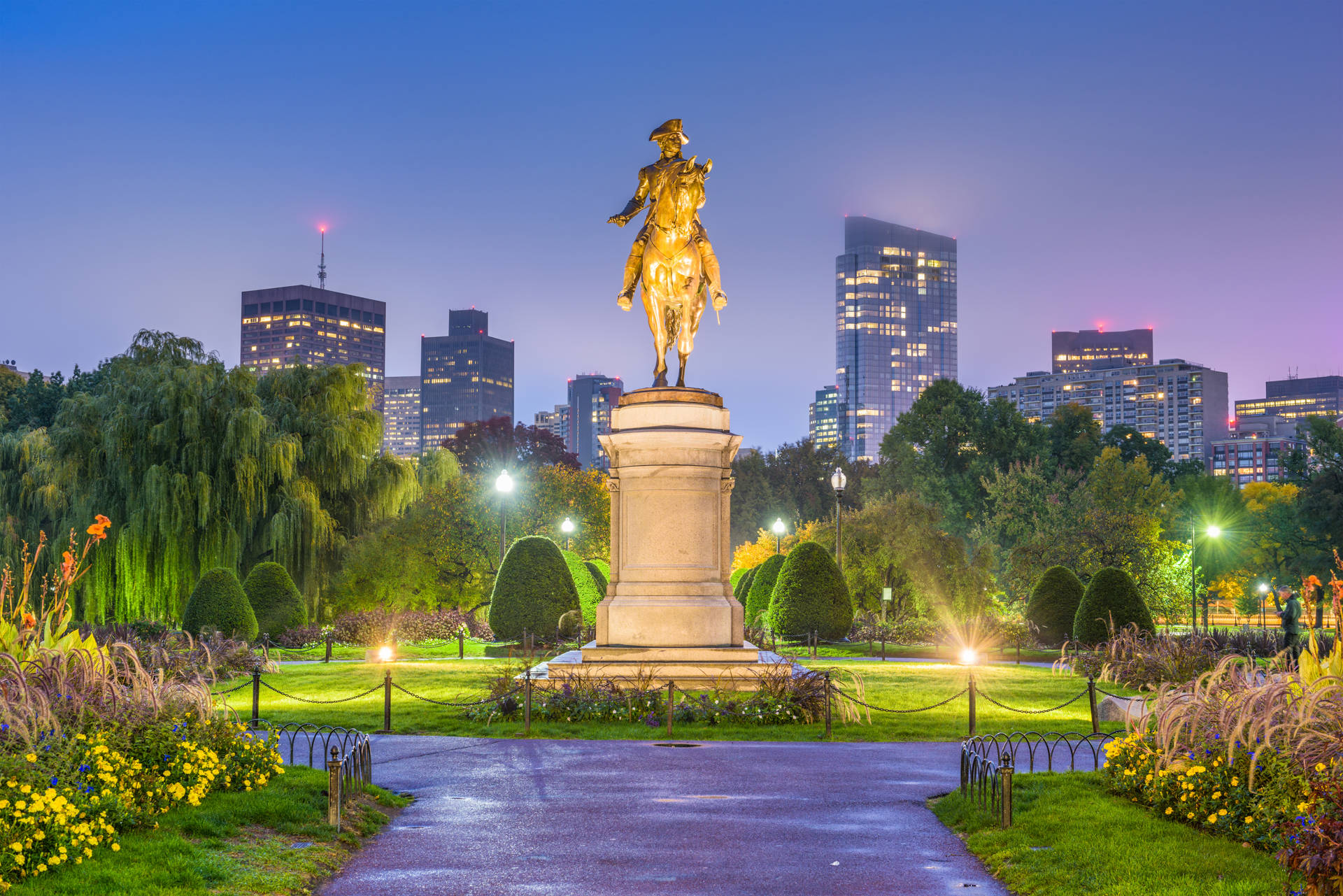
The ideal timeframe to fully experience Boston Common is half a day if paired with the Public Garden and the beginning of the Freedom Trail. Even on a tighter schedule, a one-hour visit is enough to capture its historical essence.
For photography enthusiasts, the park offers compelling compositions year-round. In spring, blossoming trees frame nearby historic buildings. In autumn, crimson and golden leaves transform the landscape into a vibrant canvas. In winter, snowfall blankets the lawns, creating a minimalist and hushed atmosphere.
One of the park’s most recognizable features is the central Frog Pond, which changes function with the seasons—serving as a splash fountain in summer and an ice-skating rink in winter. This seasonal transformation reinforces the sense of a living, adaptable public space.
Walking through Boston Common also reveals everyday local life. Students read on the grass. Families stroll with children. Runners trace the park’s perimeter paths. The steady mix of residents and visitors gives the experience authenticity and continuity.
In terms of preparation, comfortable walking shoes are recommended, as surfaces vary between dirt and pavement. Depending on the season, a light jacket may be necessary—particularly in spring and fall when weather can shift quickly. Carrying water is advisable during warmer months.
Beyond its landscaped beauty, Boston Common plays a foundational role in understanding the city. It serves as both a geographic and historical anchor. From here, visitors grasp the structure of downtown Boston and sense the continuity between colonial origins and modern civic life.
The experience naturally invites quiet reflection. Sitting beneath a centuries-old tree and watching the flow of people creates a feeling of historical continuity. Generations have passed through these same grounds, and that permanence is palpable.
As evening approaches, Boston Common takes on a golden hue. Sunlight filters between surrounding buildings, illuminating historic façades and casting long shadows across the lawns. The atmosphere becomes more contemplative—ideal for a final stroll before continuing through the city.
When you eventually leave the Common for nearby streets or return to your hotel, the impression remains strong: this is not simply a park. It is the foundational public space where Boston began to define itself as a shared civic environment.
For those flying with Arajet and seeking what to do in Boston in a smart, historically meaningful, and well-organized way, Boston Common is an essential stop. Free, centrally located, and rich in significance, it delivers an authentic urban experience in just a few well-spent hours. It proves that making the most of your time also means walking through the oldest public park in the country, breathing in centuries of history beneath towering trees, and understanding how Boston has sustained its civic spirit for nearly four hundred years.
For photography enthusiasts, the park offers compelling compositions year-round. In spring, blossoming trees frame nearby historic buildings. In autumn, crimson and golden leaves transform the landscape into a vibrant canvas. In winter, snowfall blankets the lawns, creating a minimalist and hushed atmosphere.
One of the park’s most recognizable features is the central Frog Pond, which changes function with the seasons—serving as a splash fountain in summer and an ice-skating rink in winter. This seasonal transformation reinforces the sense of a living, adaptable public space.
Walking through Boston Common also reveals everyday local life. Students read on the grass. Families stroll with children. Runners trace the park’s perimeter paths. The steady mix of residents and visitors gives the experience authenticity and continuity.
In terms of preparation, comfortable walking shoes are recommended, as surfaces vary between dirt and pavement. Depending on the season, a light jacket may be necessary—particularly in spring and fall when weather can shift quickly. Carrying water is advisable during warmer months.
Beyond its landscaped beauty, Boston Common plays a foundational role in understanding the city. It serves as both a geographic and historical anchor. From here, visitors grasp the structure of downtown Boston and sense the continuity between colonial origins and modern civic life.
The experience naturally invites quiet reflection. Sitting beneath a centuries-old tree and watching the flow of people creates a feeling of historical continuity. Generations have passed through these same grounds, and that permanence is palpable.
As evening approaches, Boston Common takes on a golden hue. Sunlight filters between surrounding buildings, illuminating historic façades and casting long shadows across the lawns. The atmosphere becomes more contemplative—ideal for a final stroll before continuing through the city.
When you eventually leave the Common for nearby streets or return to your hotel, the impression remains strong: this is not simply a park. It is the foundational public space where Boston began to define itself as a shared civic environment.
For those flying with Arajet and seeking what to do in Boston in a smart, historically meaningful, and well-organized way, Boston Common is an essential stop. Free, centrally located, and rich in significance, it delivers an authentic urban experience in just a few well-spent hours. It proves that making the most of your time also means walking through the oldest public park in the country, breathing in centuries of history beneath towering trees, and understanding how Boston has sustained its civic spirit for nearly four hundred years.