
For travelers arriving in Ecuador through Arajet's destination network, Cerro Santa Ana offers the perfect opportunity to make the most of limited time. In just a few hours, visitors can walk through historic streets, enjoy panoramic views of the Guayas River, and better understand how Guayaquil's urban identity was born. All of this takes place within a safe, pedestrian-friendly environment full of local character.
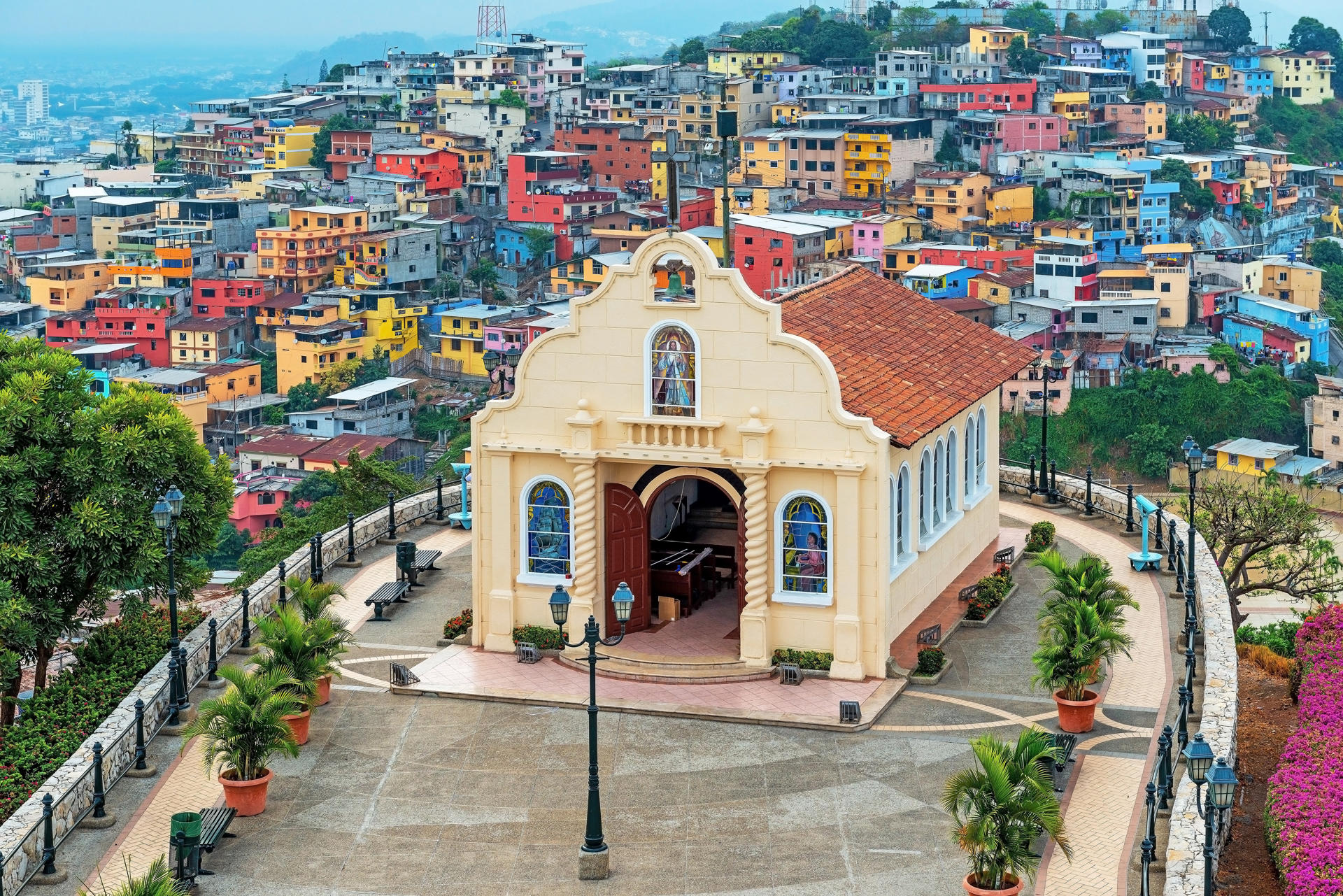
The experience begins at the base of the hill, where cobblestone streets and colorful facades immediately create a contrast with the more modern sections of the city. The atmosphere feels different here. Traditional architecture, small plazas, and wooden balconies transport visitors to another era, when Guayaquil was beginning to establish itself as one of the most important ports in the region.
Cerro Santa Ana is considered one of the most historic sectors of the city. For centuries, this elevated point played a strategic role because of its privileged location next to the Guayas River. From here, it was possible to monitor ships and protect maritime access to the city. Over time, the area became a traditional neighborhood inhabited by merchants, families, and workers connected to Guayaquil's economic growth.
Like many historic districts in Latin America, the neighborhood experienced a period of decline during the twentieth century. However, an important urban restoration project brought life back to the hill and transformed its streets into one of Ecuador's leading tourist attractions. Today, walking through Santa Ana means discovering how the city managed to recover part of its historical memory while maintaining authenticity.
The climb itself is one of the essential parts of the experience. The route consists of more than 400 steps that slowly wind upward between brightly painted houses. Yellow, blue, green, and red facades create a lively urban landscape full of personality. Every section reveals new details: murals, decorative balconies, antique doors, and small resting areas where visitors can pause and observe the city.
As travelers ascend, the atmosphere constantly evolves. In some areas, conversations and music from nearby homes dominate the environment. In others, the wind becomes stronger and panoramic views of the Guayas River begin to appear. This gradual transformation makes the climb dynamic and enjoyable, where the journey becomes just as important as the destination itself.
One of Cerro Santa Ana's greatest strengths is precisely this combination of light physical activity, urban history, and panoramic scenery. Unlike other viewpoints that require long excursions or complicated transportation, everything here unfolds within the same walkable route. This makes it a highly efficient option for travelers with limited time in Guayaquil.
Traditional architecture is another major attraction. Many homes preserve wooden balconies, decorative windows, and colonial details that reflect the historic influence of Guayaquil's port culture. Although the area has been renovated, it still maintains an authentic residential atmosphere that prevents the neighborhood from feeling artificial.
The climb also offers countless photographic opportunities. Every section presents a different visual composition. Some narrow streets create dramatic perspectives framed by colorful houses, while other spots reveal sweeping views of the river and Guayaquil's modern skyline in the distance. This contrast between old and new defines much of the city's visual identity.
The best times to visit are usually in the morning or late afternoon. Guayaquil's tropical climate can become intense at midday, especially while climbing stairs. Early in the day, temperatures are cooler and natural light enhances the vibrant colors of the neighborhood. At sunset, warm tones transform the entire landscape and create an especially atmospheric experience.
Once visitors reach the top, the reward is immediate. The panoramic view stretches across much of Guayaquil, the Guayas River, and nearby historic districts. From above, the city appears to expand endlessly between the river and the tropical horizon. The constant breeze provides relief from the heat and creates a calm sensation that contrasts with the urban movement below.
At the summit, visitors will also find historic structures and open spaces where many people stop to rest and take photographs. The sound of the wind and the openness of the landscape make this one of the best urban viewpoints in Ecuador.
From a sensory perspective, Cerro Santa Ana is full of contrasts. The scent of tropical humidity mixes with aged wood and historic architecture. Light changes constantly depending on the height and the position of the sun. Urban sounds from downtown Guayaquil arrive softened by distance, while footsteps and conversations from other visitors accompany the climb.
One of the most appreciated aspects of the experience is that it can be completed relatively quickly without sacrificing cultural depth. In approximately two hours, visitors can walk through the neighborhood, climb to the viewpoint, take photographs, and descend comfortably. This makes it easy to include within short itineraries or quick urban stopovers.
For travelers planning their visit, here are some useful practical details:
Cerro Santa Ana
Guayaquil, EC
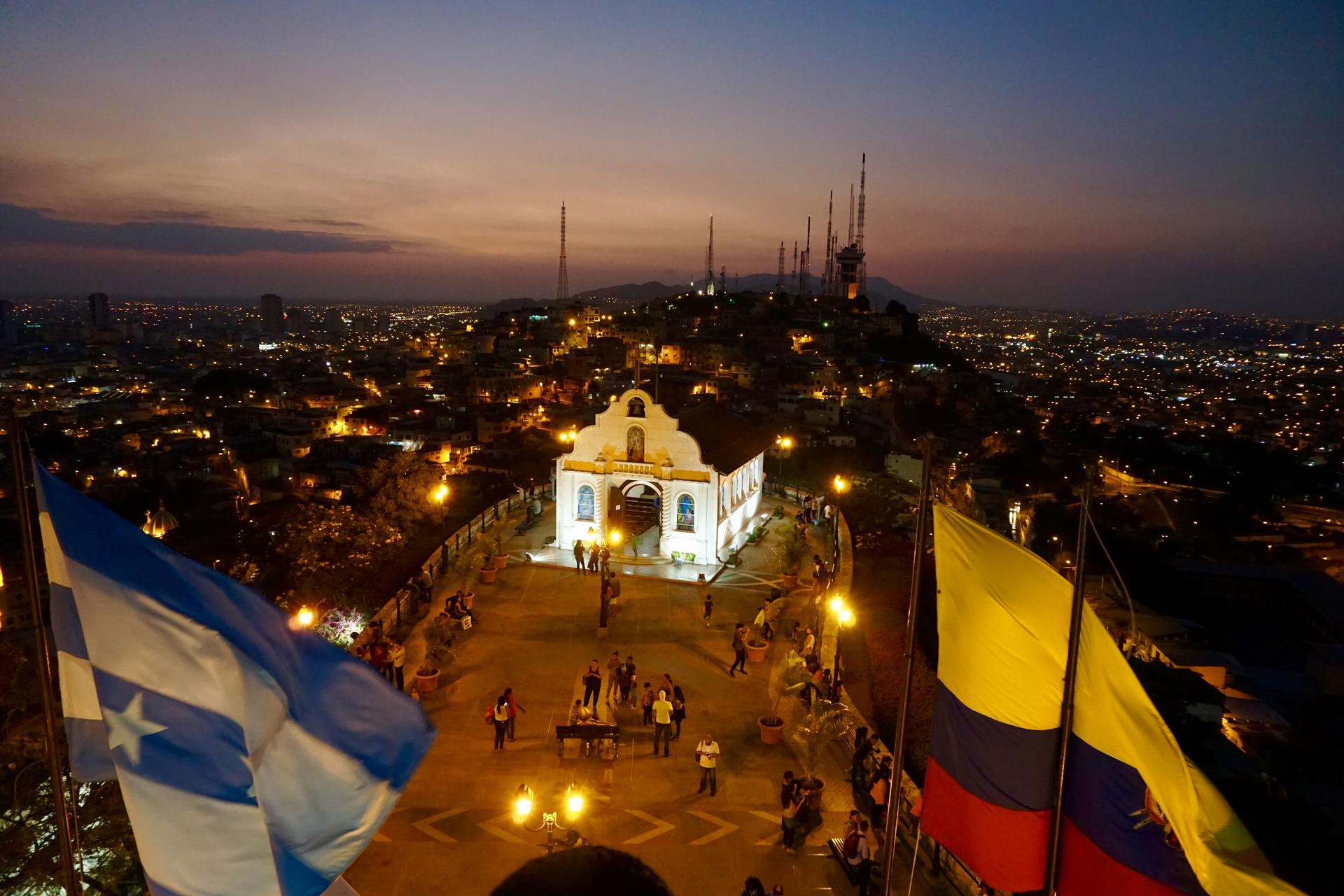
Between the historic streets and the constant movement of Guayaquil rises one of Ecuador's most iconic and photographed landmarks: Cerro Santa Ana. Colorful, vibrant, and filled with history, this hillside neighborhood represents the traditional soul of the city and has become an essential stop for travelers searching for things to do in Guayaquil in an efficient, authentic, and visually striking way.
Important information before your visit
- Distance from downtown Guayaquil: approximately 2 kilometers.
- Estimated travel time: between 10 and 15 minutes depending on the starting point.
- Entrance fee: free.
- Recommended visiting hours: early morning or after 4:00 PM.
- Best time to visit: at sunset for panoramic views and cooler temperatures.
The ideal visit usually lasts between one and a half and two hours. This allows enough time to climb slowly, stop for photographs, and enjoy the scenery without rushing.
Because of Guayaquil's warm and humid climate, lightweight clothing and comfortable shoes are strongly recommended. Staying hydrated is also important, especially during hotter months. Although the route is not extremely demanding, the humidity can increase the sensation of physical effort.
From a cultural perspective, Cerro Santa Ana offers more than panoramic views. It represents Guayaquil's historical memory and demonstrates how the city has balanced modernization with heritage preservation. Walking through these streets helps visitors better understand Ecuador's coastal identity and the historical importance of the river in the city's development.
The neighborhood also provides a sense of human connection that is often difficult to find in more commercial tourist areas. Daily life is still visible here. The facades do not feel like decorative scenery; they belong to a neighborhood that retains its own personality and rhythm.
As visitors descend back toward the modern city, their perception of Guayaquil often changes. The city no longer appears simply as a large tropical urban center, but as a place layered with history, architectural memory, and a strong relationship with the river that shaped its identity.
For travelers flying with Arajet and searching for things to do in Guayaquil while making the most of every minute, Cerro Santa Ana is an essential visit. Accessible, visually spectacular, and deeply connected to local history, it offers one of the most authentic tourism experiences in Ecuador.
Because of Guayaquil's warm and humid climate, lightweight clothing and comfortable shoes are strongly recommended. Staying hydrated is also important, especially during hotter months. Although the route is not extremely demanding, the humidity can increase the sensation of physical effort.
From a cultural perspective, Cerro Santa Ana offers more than panoramic views. It represents Guayaquil's historical memory and demonstrates how the city has balanced modernization with heritage preservation. Walking through these streets helps visitors better understand Ecuador's coastal identity and the historical importance of the river in the city's development.
The neighborhood also provides a sense of human connection that is often difficult to find in more commercial tourist areas. Daily life is still visible here. The facades do not feel like decorative scenery; they belong to a neighborhood that retains its own personality and rhythm.
As visitors descend back toward the modern city, their perception of Guayaquil often changes. The city no longer appears simply as a large tropical urban center, but as a place layered with history, architectural memory, and a strong relationship with the river that shaped its identity.
For travelers flying with Arajet and searching for things to do in Guayaquil while making the most of every minute, Cerro Santa Ana is an essential visit. Accessible, visually spectacular, and deeply connected to local history, it offers one of the most authentic tourism experiences in Ecuador.