
From the first step, the pace shifts. The wide avenues of the rest of the city give way to narrow cobblestone streets that naturally slow your stride. The sound of footsteps on stone replaces the dominant noise of traffic. Colonial façades, painted in bold colors and adorned with wooden balconies, create an atmosphere that evokes another era without feeling staged. Here, history is not encapsulated—it is alive, integrated into everyday life.
The urban layout preserves the logic of the colonial period, with streets crossing at right angles and opening into broad plazas that function as gathering points. These plazas are not merely open spaces; they are living stages where students, workers, artists, and visitors converge. This social mix gives the neighborhood a distinctive energy: historic, yes, but also youthful and dynamic.
La Candelaria’s human scale makes it easy to explore without complicated maps or rigid itineraries. You can begin anywhere and allow the route to unfold intuitively. That freedom is ideal for modern travelers who want to maximize their time without feeling confined to structured routes. Each street reveals something different: a restored façade, a piece of urban art, or a glimpse of the eastern mountains that frame the city.
From a sensory perspective, the neighborhood is deeply stimulating. The eye is drawn to contrasting colors that stand out beneath the cool high-altitude light. The air is fresh—especially in the morning—and Bogotá’s elevation adds a distinct sensation to breathing. The soundscape is a steady mix of conversations, occasional music, and the persistent murmur of urban life. Altogether, it creates an authentic and unfiltered experience.
Historically, La Candelaria has been the stage for decisive moments in Colombia’s story. Fundamental political processes were consolidated here, and key institutions were established in its buildings. Even without knowing every historical detail, visitors sense the symbolic weight of the surroundings. These structures are not decorative backdrops—they are witnesses to profound transformations that shaped the nation.
One of the neighborhood’s greatest strengths is its cultural density. Within just a few blocks, you’ll find historic landmarks, academic institutions, and contemporary artistic expressions layered together. This overlap transforms the walk into both an intellectual and visual experience. It is not just a photographic stroll; it is an immersion into Bogotá’s identity.
From a time-efficiency standpoint, La Candelaria is an exceptionally strategic choice. In a compact area, it concentrates an essential part of Colombian tourism—especially for those who want to understand the country’s political and cultural context. In a single morning or afternoon, you can capture the essence of Bogotá without traveling long distances.
For those who value clear logistics and budget-friendly travel, here are some practical details to consider:
La Candelaria
Bogotá, CO
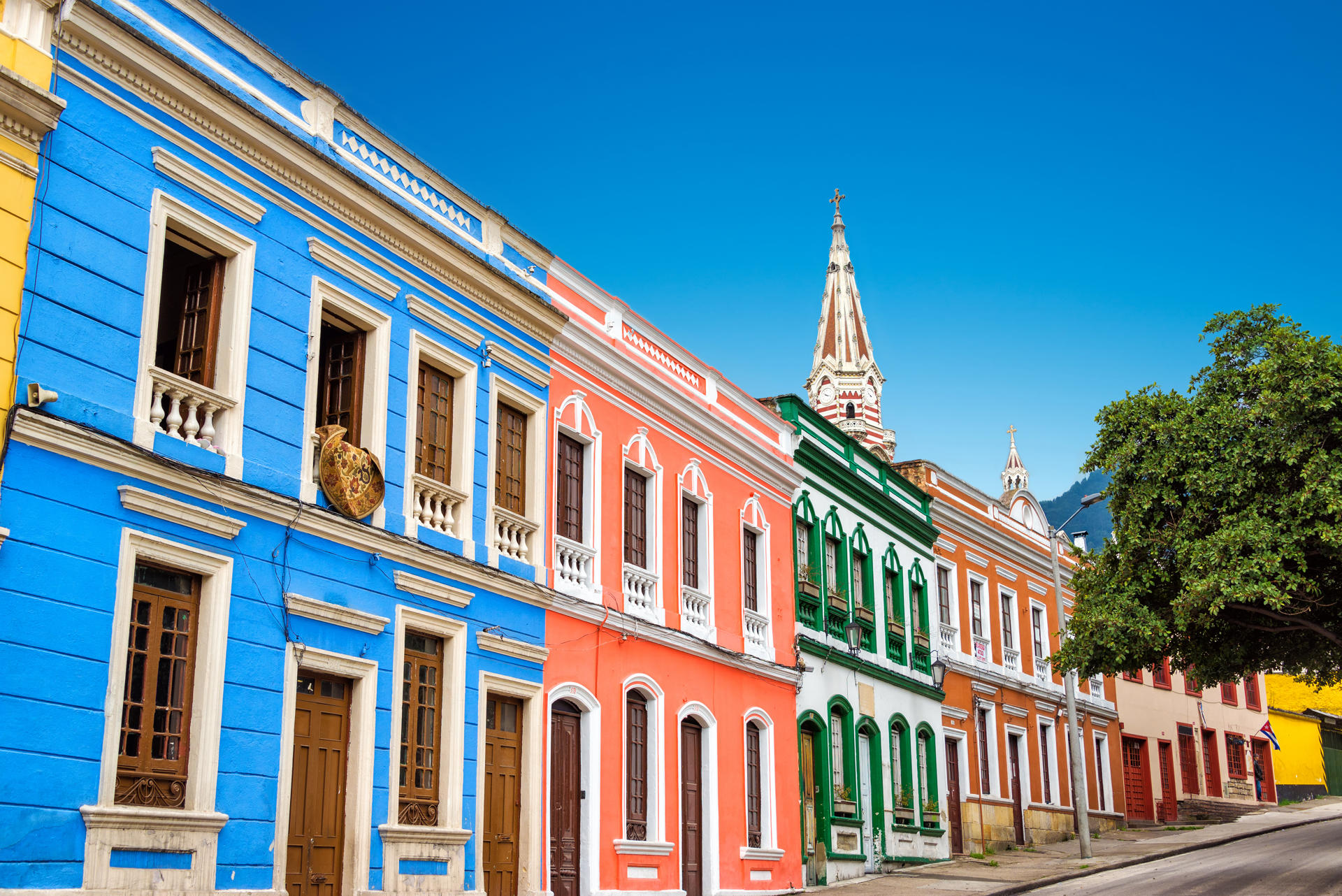
Bogotá is a city best understood in layers, and none is more revealing than the one that unfolds in La Candelaria. This neighborhood is not only the foundational core of Colombia’s capital, but also the place where historical memory, colonial architecture, and contemporary life coexist in a visible and constant way. Walking its streets is not simply visiting a tourist attraction—it is stepping into the political, cultural, and symbolic origin of the country. For travelers arriving in Colombia through Arajet’s destination network and looking for what to do in Bogotá in an efficient, strategic, and deeply meaningful way, La Candelaria offers a concentrated experience that allows you to grasp centuries of history in just a few hours.
Important information before your visit
- Distance from central Bogotá: located within the historic center.
- Estimated travel time: 10 to 20 minutes from modern central districts.
- Access: free, as it is a public neighborhood
- Recommended visiting hours: during the day.
- Best time to go: in the morning, when the weather is often clearer and movement is active yet orderly
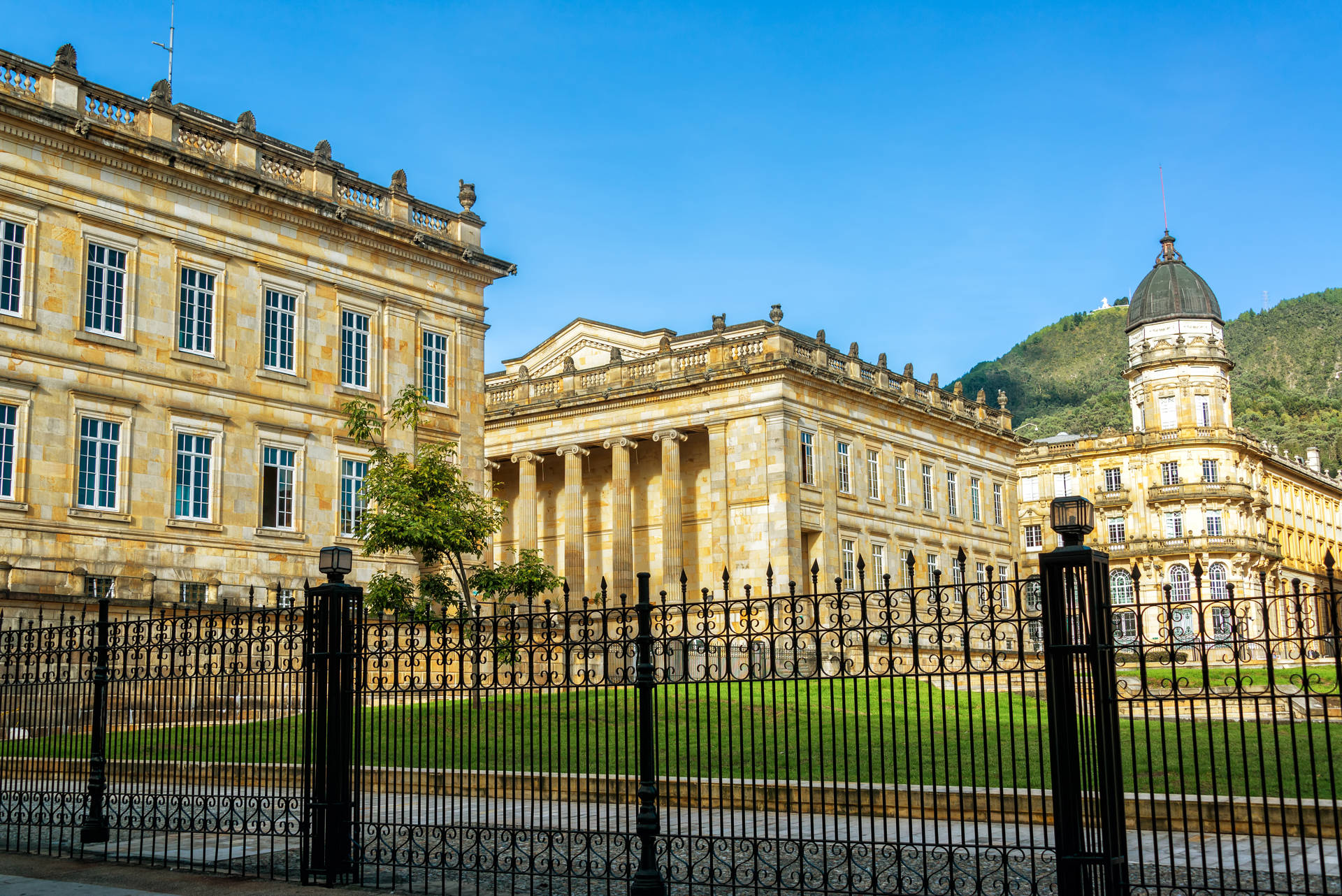
The ideal time to explore La Candelaria is between 2 and 3 hours. This allows you to walk at a relaxed pace, pause in plazas, observe architectural details, and absorb the atmosphere without feeling overwhelmed. For those who wish to go deeper, side streets offer additional layers and unexpected discoveries.
For photography enthusiasts, La Candelaria is an inexhaustible setting. Colonial façades with carved wooden doors, ornate balconies, cobblestone streets, and contemporary murals create constant contrasts. Morning light enhances textures and colors with clarity, while afternoon shadows add drama to architectural relief. On cloudy days, the atmosphere takes on an introspective tone that is equally photogenic.
In terms of preparation, comfortable footwear is essential, as cobblestone streets can be uneven. Dressing in layers is a smart strategy, since Bogotá’s weather can shift quickly between sun and cold. Keeping personal belongings secure is part of responsible urban travel, particularly in areas with high pedestrian activity.
Beyond its visual appeal, La Candelaria plays an essential role in any trip: it provides context. It helps visitors understand how Bogotá evolved from a colonial settlement into a modern capital. That understanding transforms subsequent explorations of other neighborhoods, as historical and urban patterns begin to connect across the city.
The neighborhood also invites reflection. Walking its streets means experiencing the overlap of eras, where the old has not been erased but adapted. This coexistence of tradition and modernity defines much of Bogotá’s character. Here, the past is not a burden—it is the foundation upon which the present stands.
As the day progresses, La Candelaria shifts in rhythm. Mornings are generally quieter, ideal for careful observation. Afternoons bring more movement and a livelier energy. Yet the neighborhood’s human scale always keeps it manageable and intimate.
When you leave La Candelaria and return to Bogotá’s more modern districts, the city feels different. It no longer seems fragmented but connected by clear historical roots. That clarity is one of the visit’s greatest contributions.
For those flying with Arajet and looking for what to do in Bogotá in a smart, authentic, and well-planned way, La Candelaria is an essential stop. Accessible, history-rich, and deeply integrated into the urban fabric, it offers one of the destination’s most complete experiences in just a few hours. It proves that making the most of your time does not mean rushing from place to place, but pausing in the spaces where the city reveals its origin, identity, and living memory.
For photography enthusiasts, La Candelaria is an inexhaustible setting. Colonial façades with carved wooden doors, ornate balconies, cobblestone streets, and contemporary murals create constant contrasts. Morning light enhances textures and colors with clarity, while afternoon shadows add drama to architectural relief. On cloudy days, the atmosphere takes on an introspective tone that is equally photogenic.
In terms of preparation, comfortable footwear is essential, as cobblestone streets can be uneven. Dressing in layers is a smart strategy, since Bogotá’s weather can shift quickly between sun and cold. Keeping personal belongings secure is part of responsible urban travel, particularly in areas with high pedestrian activity.
Beyond its visual appeal, La Candelaria plays an essential role in any trip: it provides context. It helps visitors understand how Bogotá evolved from a colonial settlement into a modern capital. That understanding transforms subsequent explorations of other neighborhoods, as historical and urban patterns begin to connect across the city.
The neighborhood also invites reflection. Walking its streets means experiencing the overlap of eras, where the old has not been erased but adapted. This coexistence of tradition and modernity defines much of Bogotá’s character. Here, the past is not a burden—it is the foundation upon which the present stands.
As the day progresses, La Candelaria shifts in rhythm. Mornings are generally quieter, ideal for careful observation. Afternoons bring more movement and a livelier energy. Yet the neighborhood’s human scale always keeps it manageable and intimate.
When you leave La Candelaria and return to Bogotá’s more modern districts, the city feels different. It no longer seems fragmented but connected by clear historical roots. That clarity is one of the visit’s greatest contributions.
For those flying with Arajet and looking for what to do in Bogotá in a smart, authentic, and well-planned way, La Candelaria is an essential stop. Accessible, history-rich, and deeply integrated into the urban fabric, it offers one of the destination’s most complete experiences in just a few hours. It proves that making the most of your time does not mean rushing from place to place, but pausing in the spaces where the city reveals its origin, identity, and living memory.