
For travelers arriving in Ecuador through Arajet's destination network, Malecón 2000 is a strategic stop. Located in the heart of the city, it is easy to explore and offers history, architecture, local culture, and scenic river views in just a few hours. In terms of efficient urban tourism, few places provide so much in such little time.
The first impression comes even before the walk begins. The Guayas River dominates the horizon and creates a constant feeling of openness and movement. The warm breeze mixes with the sound of boats and the conversations of people strolling through the area. Unlike many crowded urban centers, the city here seems to open itself toward the water.
Malecón 2000 was developed as part of a major urban renewal project that transformed Guayaquil's relationship with the river. For decades, this waterfront area had lost much of its appeal and functionality. However, at the end of the twentieth century, an ambitious restoration initiative turned the riverfront into a safe, modern, and accessible public space for both residents and visitors.
Today, the result is unmistakable. The promenade combines tropical gardens, plazas, historical monuments, and pedestrian walkways that stretch for several kilometers without the chaos typically associated with large cities. The urban design prioritizes open views and smooth movement, something especially valuable for travelers who want to experience a lot in a short amount of time.
Walking along Malecón 2000 in the morning has a special charm. Temperatures are still comfortable, and the pace of the city begins slowly. Local residents' jog by the river while others simply enjoy the breeze before starting their day. The sunrise reflects golden tones on the water, creating a peaceful atmosphere that contrasts with Guayaquil's intense commercial energy.
One of the promenade's greatest strengths is the way it blends nature with the city. Tall palm trees provide shade throughout many sections, while tropical gardens add color and freshness to the environment. The scent of humid vegetation mixes with the river air, creating a sensory experience that feels distinctly tropical and very different from other South American cities.
As visitors continue walking, monuments and plazas appear throughout the route, commemorating important moments in Ecuadorian history. These sculptures are not merely decorative; they reflect Guayaquil's historical and cultural pride. Even travelers who are not particularly interested in history often stop to admire the architectural details and take photographs.
The Guayas River is the true visual centerpiece of the experience. Several viewpoints allow visitors to observe boats moving across the water and appreciate the vast river landscape. The water reflects both the tropical clouds and the city lights at sunset, creating a constant interaction between nature and urban life.
For photography enthusiasts, Malecón 2000 offers countless opportunities. During the morning, soft light highlights the palm trees and white structures of the promenade. In the afternoon, the sky turns orange and pink, reflecting beautifully on the river and making the area one of the best photography spots in Guayaquil.
The atmosphere changes significantly at sunset. As the sun begins to disappear, temperatures become more pleasant, and the promenade fills with life. Families, couples, tourists, and groups of friends gather to enjoy the riverfront while city lights slowly illuminate the surroundings. The sound of the water, combined with street music and conversation, creates an energetic yet relaxed environment.
One of the most appreciated aspects of Malecón 2000 is its logistical efficiency. It does not require complicated planning or long transfers. Its central location makes it easy to include in any short itinerary around Guayaquil. The experience can also be adapted depending on available time: from a quick one-hour walk to a more extended afternoon exploration.
For travelers planning their visit, here are some practical details to consider:
Malecón 2000
Guayaquil, EC
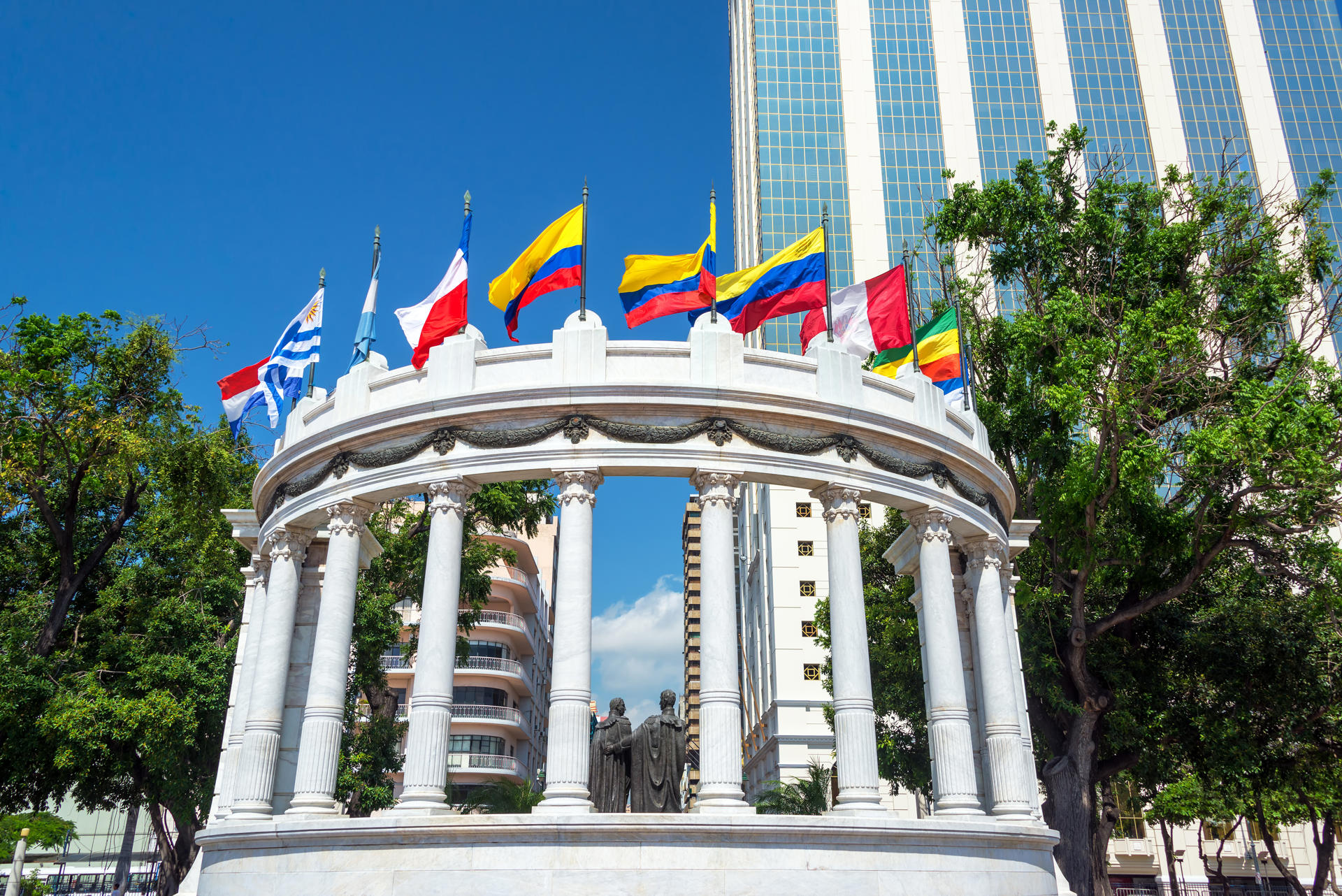
In a city where tropical heat, commercial activity, and urban energy constantly blend together, there is one place that perfectly captures the modern essence of Guayaquil: Malecón 2000. This extensive riverside promenade along the Guayas River is not only one of the most visited attractions in Ecuador, but also one of the most complete urban experiences for travelers looking for things to do in Guayaquil while making the most of their time.
Important information before your visit
- Distance from downtown Guayaquil: located directly in the city center.
- Estimated travel time: easily accessible on foot from many central areas.
- Entrance fee: free.
- Recommended visiting hours: early morning or after 4:00 PM.
- Best time to visit: during sunset, when temperatures are cooler and views are most impressive.
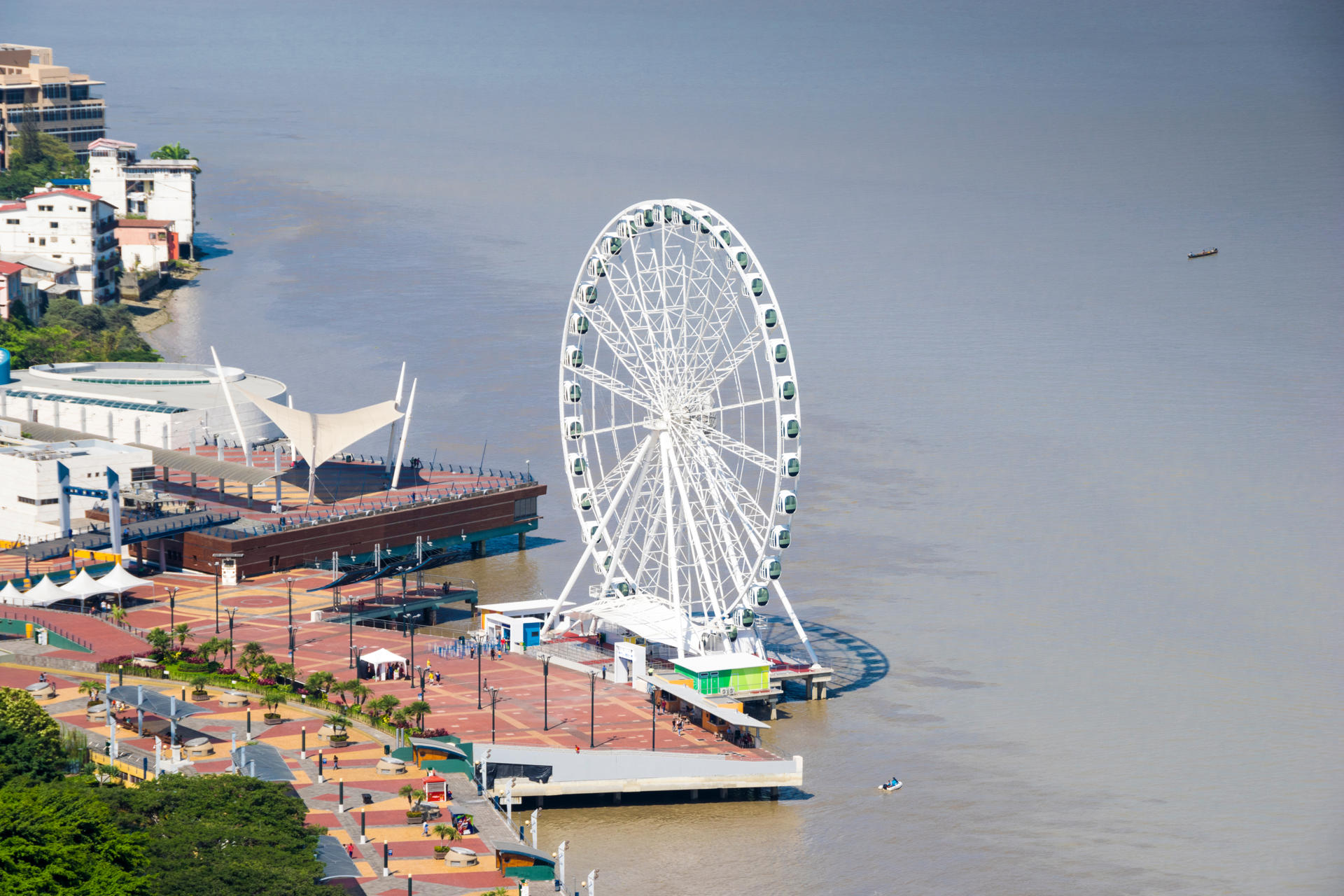
The ideal visit usually lasts between two and three hours if travelers want to walk calmly, take photographs, and enjoy the atmosphere. However, even a shorter visit is enough to capture the essence of the place.
Because Guayaquil has a warm and humid tropical climate throughout much of the year, lightweight clothing, sunscreen, and hydration are highly recommended. Although the promenade is comfortable to walk, midday heat can become intense. Sunglasses or a hat can make the experience significantly more enjoyable during sunny hours.
Malecón 2000 also reflects the social character of Guayaquil. It is not only a tourist attraction, but a place actively used by local residents every day. This blend of tourism and daily life gives the area authenticity. The atmosphere never feels artificial or exclusively designed for visitors; instead, it feels genuinely connected to the city itself.
From a cultural perspective, Malecón 2000 represents an important milestone in Ecuadorian urban development. It demonstrates how a city can reclaim public spaces and transform them into safe and attractive gathering points. Beyond its aesthetic value, the project helped redefine the modern identity of Guayaquil.
The experience also helps visitors understand the historical importance of the Guayas River in the city's economic development. For centuries, this river served as a crucial commercial route and maritime connection for Ecuador. Walking alongside it feels like tracing the path that shaped Guayaquil's growth.
At night, the promenade takes on a completely different personality. Reflections of city lights on the water create an elegant and cinematic atmosphere. Illuminated palm trees, moving crowds, and the cool evening breeze make this one of the most pleasant places to end the day in the city.
By the end of the visit, one thing becomes clear: Malecón 2000 is far more than a simple urban promenade. It is a synthesis of Guayaquil's history, climate, culture, and modern energy. It allows travelers to experience the city in an efficient, accessible, and visually engaging way — something especially valuable for those with limited time.
For travelers flying with Arajet and searching for things to do in Guayaquil without wasting time on complicated logistics, Malecón 2000 is an essential stop. Free, centrally located, and full of life, it offers one of the most complete urban experiences in Ecuadorian tourism. It proves that even in just a few hours, a city can reveal its entire personality through a simple walk along the river.
Because Guayaquil has a warm and humid tropical climate throughout much of the year, lightweight clothing, sunscreen, and hydration are highly recommended. Although the promenade is comfortable to walk, midday heat can become intense. Sunglasses or a hat can make the experience significantly more enjoyable during sunny hours.
Malecón 2000 also reflects the social character of Guayaquil. It is not only a tourist attraction, but a place actively used by local residents every day. This blend of tourism and daily life gives the area authenticity. The atmosphere never feels artificial or exclusively designed for visitors; instead, it feels genuinely connected to the city itself.
From a cultural perspective, Malecón 2000 represents an important milestone in Ecuadorian urban development. It demonstrates how a city can reclaim public spaces and transform them into safe and attractive gathering points. Beyond its aesthetic value, the project helped redefine the modern identity of Guayaquil.
The experience also helps visitors understand the historical importance of the Guayas River in the city's economic development. For centuries, this river served as a crucial commercial route and maritime connection for Ecuador. Walking alongside it feels like tracing the path that shaped Guayaquil's growth.
At night, the promenade takes on a completely different personality. Reflections of city lights on the water create an elegant and cinematic atmosphere. Illuminated palm trees, moving crowds, and the cool evening breeze make this one of the most pleasant places to end the day in the city.
By the end of the visit, one thing becomes clear: Malecón 2000 is far more than a simple urban promenade. It is a synthesis of Guayaquil's history, climate, culture, and modern energy. It allows travelers to experience the city in an efficient, accessible, and visually engaging way — something especially valuable for those with limited time.
For travelers flying with Arajet and searching for things to do in Guayaquil without wasting time on complicated logistics, Malecón 2000 is an essential stop. Free, centrally located, and full of life, it offers one of the most complete urban experiences in Ecuadorian tourism. It proves that even in just a few hours, a city can reveal its entire personality through a simple walk along the river.