
From the moment you step onto its carefully designed pathways, it is clear that this is a thoughtfully planned space. The park blends open lawns, geometric gardens, monumental sculptures, and architectural structures that engage in dialogue with the surrounding skyline. Unlike traditional parks, art and urban design take center stage here.
One of the most photographed features is the mirrored stainless-steel sculpture that reflects Chicago’s skyline and ever-changing sky. Its organic shape creates a dynamic visual effect: as you approach, your reflection becomes distorted alongside the surrounding buildings, turning the experience into something interactive and playful. This installation has become a contemporary symbol of the city.
Historically, Millennium Park was developed in the late 20th century on former rail yards and parking facilities. Its transformation was an ambitious urban renewal project that reshaped Downtown Chicago. Today, it stands as an example of how public space can integrate seamlessly with cutting-edge architecture.
From a sensory perspective, the atmosphere is lively yet balanced. The hum of nearby traffic blends with music from outdoor performances. Breezes from Lake Michigan bring refreshing air, especially during warmer months. The contrast between green lawns and metallic structures creates a sense of harmonious modernity.
Another major highlight is the open-air pavilion with its sweeping metal framework, designed as a performance venue for concerts and cultural events. During the summer, free programming attracts both residents and visitors, reinforcing the park’s role as an active cultural hub.
From a time-efficiency standpoint, Millennium Park is highly convenient. In just two to three hours, visitors can explore its main sculptures, gardens, and viewpoints while enjoying direct vistas of Lake Michigan and the financial district. A smart strategy is to arrive early to avoid heavier crowds and take advantage of softer morning light for photography.
For travelers who value clear logistics and organized planning, consider these practical details:
Millennium Park
Chicago, US
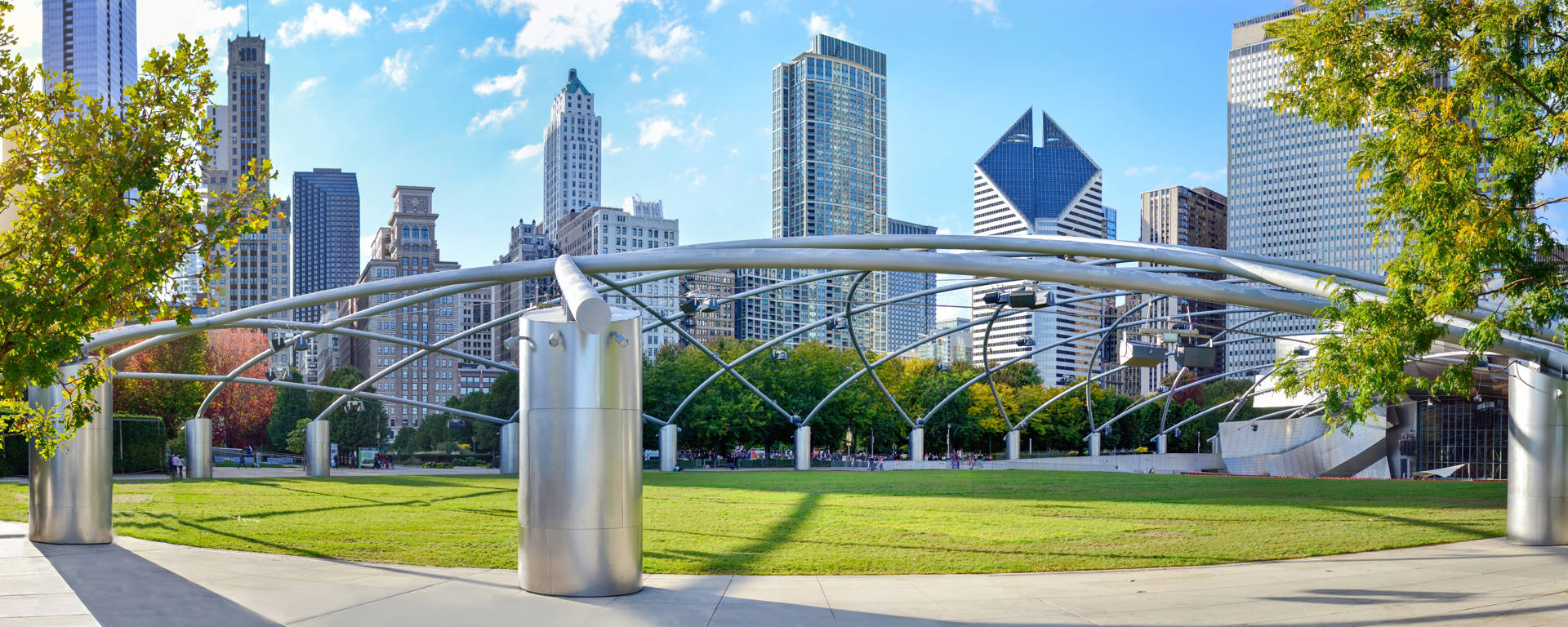
In the heart of Chicago—where steel-and-glass skyscrapers rise along the edge of Lake Michigan—lies one of the most emblematic urban spaces in the United States: Millennium Park. This is not simply a green area in the middle of Downtown; it is a symbol of contemporary architecture, public art, and the city’s vibrant cultural life. For travelers arriving in Illinois through Arajet’s expanding destination network and wondering what to do in Chicago while maximizing every minute, Millennium Park offers a strategic, compact, and visually striking stop that gathers some of the country’s most iconic views within just a few walkable blocks.
Important information before your visit
- Location: Downtown Chicago, near Michigan Avenue and Lake Michigan
- Distance from O’Hare International Airport: approximately 29 kilometers (18 miles)
- Estimated travel time from the airport: 35–50 minutes, depending on traffic or public transit
- Admission: Free; public park
- Recommended visit duration: 2–4 hours.
- Best time to visit: Early morning or sunset for softer light and fewer crowds.
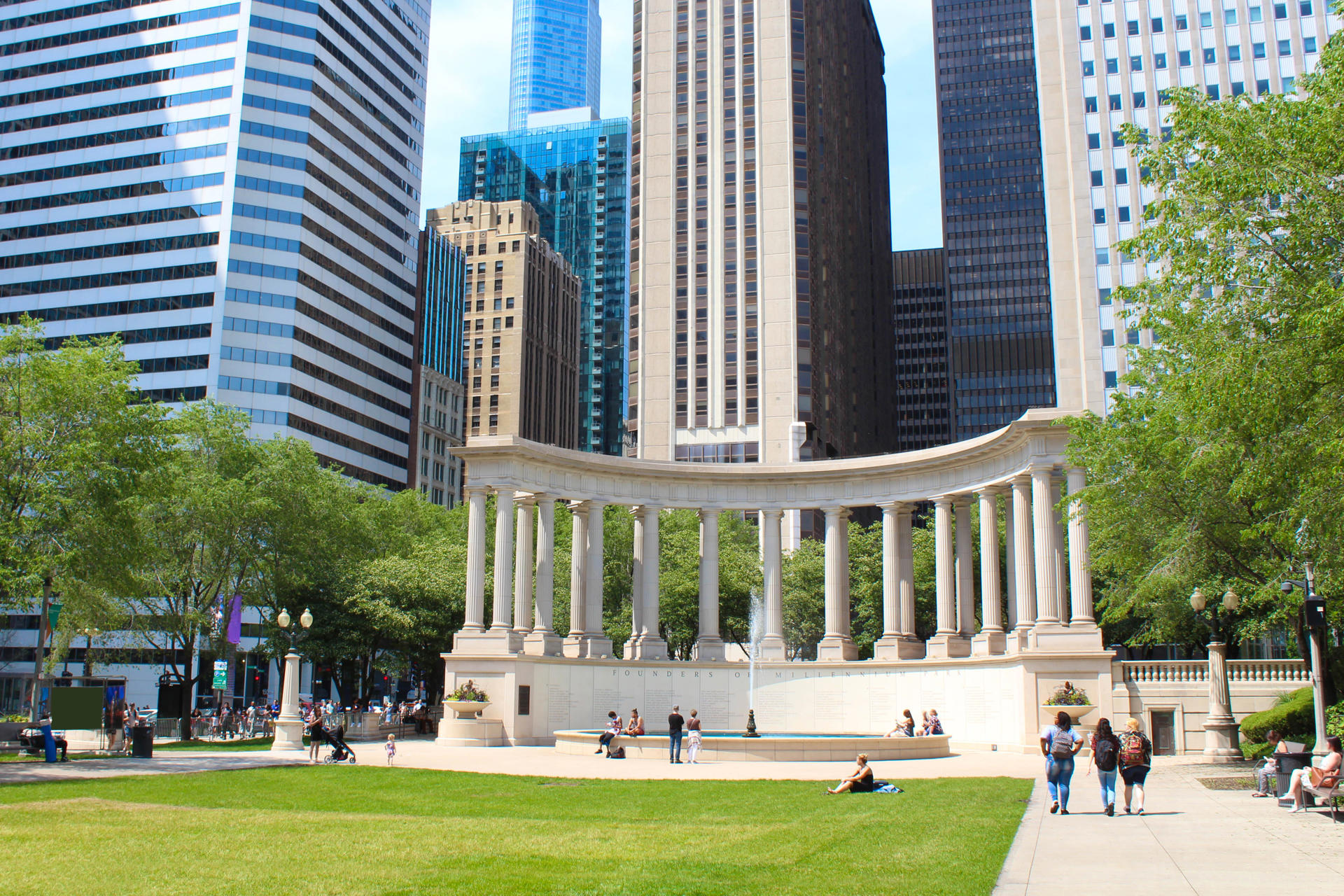
The ideal timeframe to fully enjoy Millennium Park is about half a day if combined with a walk along the nearby lakefront or along Michigan Avenue, known for shopping and historic architecture.
For photography enthusiasts, the park is an exceptional setting. The reflective sculpture allows for unique skyline compositions. The pavilion’s curved metal lines contrast with the vertical geometry of surrounding skyscrapers. In winter, snow transforms the park into a minimalist landscape; in summer, vibrant greenery adds energy and color.
Preparation is simple. Comfortable shoes are recommended for walking across paved paths and lawns. Depending on the season, a light jacket may be necessary due to lake breezes. In summer, sun protection is advisable.
Beyond its aesthetic appeal, Millennium Park plays a key role in understanding Chicago’s contemporary identity. The city is globally recognized for architectural innovation, and the park reflects that legacy through modern installations that converse with historic nearby buildings.
The experience also invites interaction. At one end of the park, an interactive fountain composed of digital towers projecting faces provides a refreshing and playful space during the summer months. Children and adults alike engage with it, reinforcing the inclusive spirit of the park.
As evening approaches, the park takes on a different tone. The sun sets over Lake Michigan, casting golden light onto the façades of nearby skyscrapers. The mirrored sculpture captures and multiplies those colors across its surface. The atmosphere becomes more contemplative.
When you leave Millennium Park to explore other Chicago neighborhoods, you carry the sense of having experienced a perfect synthesis of art, architecture, and public space. It is not merely a park—it is an urban statement.
For those flying with Arajet and planning what to do in Chicago in a smart, cultural, and well-organized way, Millennium Park is an essential stop. Accessible, free, and strategically located in Downtown, it offers one of the most iconic urban experiences in the United States within just a few well-spent hours. It proves that making the most of your time also means walking among contemporary sculptures, seeing yourself reflected in the skyline, and discovering how Chicago turns public space into living art along the shores of Lake Michigan.
For photography enthusiasts, the park is an exceptional setting. The reflective sculpture allows for unique skyline compositions. The pavilion’s curved metal lines contrast with the vertical geometry of surrounding skyscrapers. In winter, snow transforms the park into a minimalist landscape; in summer, vibrant greenery adds energy and color.
Preparation is simple. Comfortable shoes are recommended for walking across paved paths and lawns. Depending on the season, a light jacket may be necessary due to lake breezes. In summer, sun protection is advisable.
Beyond its aesthetic appeal, Millennium Park plays a key role in understanding Chicago’s contemporary identity. The city is globally recognized for architectural innovation, and the park reflects that legacy through modern installations that converse with historic nearby buildings.
The experience also invites interaction. At one end of the park, an interactive fountain composed of digital towers projecting faces provides a refreshing and playful space during the summer months. Children and adults alike engage with it, reinforcing the inclusive spirit of the park.
As evening approaches, the park takes on a different tone. The sun sets over Lake Michigan, casting golden light onto the façades of nearby skyscrapers. The mirrored sculpture captures and multiplies those colors across its surface. The atmosphere becomes more contemplative.
When you leave Millennium Park to explore other Chicago neighborhoods, you carry the sense of having experienced a perfect synthesis of art, architecture, and public space. It is not merely a park—it is an urban statement.
For those flying with Arajet and planning what to do in Chicago in a smart, cultural, and well-organized way, Millennium Park is an essential stop. Accessible, free, and strategically located in Downtown, it offers one of the most iconic urban experiences in the United States within just a few well-spent hours. It proves that making the most of your time also means walking among contemporary sculptures, seeing yourself reflected in the skyline, and discovering how Chicago turns public space into living art along the shores of Lake Michigan.