
From the very first walk, Miraflores conveys a sense of clarity and organization. Streets are wide, traffic tends to flow predictably, and public spaces are designed to be used and enjoyed. Unlike denser parts of Lima, movement here rarely feels overwhelming. There is an urban logic that makes it easy to walk, orient yourself, and appreciate the surroundings without rushing. That spatial clarity is one of the district’s greatest strengths.
One of Miraflores’ most distinctive features is its direct relationship with the ocean. The city does not turn its back on the sea; it integrates it as an essential part of daily life. Walking along the elevated coastal areas provides sweeping views of the Pacific, stretching as far as the eye can see. The steady, deep sound of the waves accompanies much of the journey, creating a sense of continuity that is difficult to find in other urban neighborhoods.
From a sensory perspective, Miraflores feels balanced yet stimulating. The air is fresher near the coast, tinged with humidity and salt. Light shifts constantly—sometimes filtered through coastal mist, other times bright and open. Your gaze moves between the blue of the ocean, the green of parks, and the soft gray tones of the urban setting. The result is an experience that feels dynamic without becoming exhausting.
Exploring Miraflores on foot is both easy and enjoyable. Distances are manageable, and the environment invites slow discovery. This is not a neighborhood to rush through. Instead, it reveals itself gradually: a panoramic ocean view, a carefully maintained park, a quiet street, a plaza where local life unfolds naturally. These small moments accumulate into a coherent and rewarding experience.
Miraflores also offers a clear glimpse into contemporary Lima. Here, the city feels globally connected, open to evolving dynamics, and attentive to how public space is used. It does not reject its history, yet it does not remain anchored to it either. The present asserts itself naturally, without disrupting the bond with the surrounding landscape or local identity.
From a time-efficiency standpoint, Miraflores is a particularly smart choice. It allows visitors to combine urban exploration, contact with nature, and observation of daily life within a single, compact area. There is no need for long transfers or complicated planning. Even a few hours provide a solid understanding of the district and its role within Lima.
For travelers who value clear logistics and budget-friendly travel, here are some practical details to consider:
Miraflores
Lima, PE
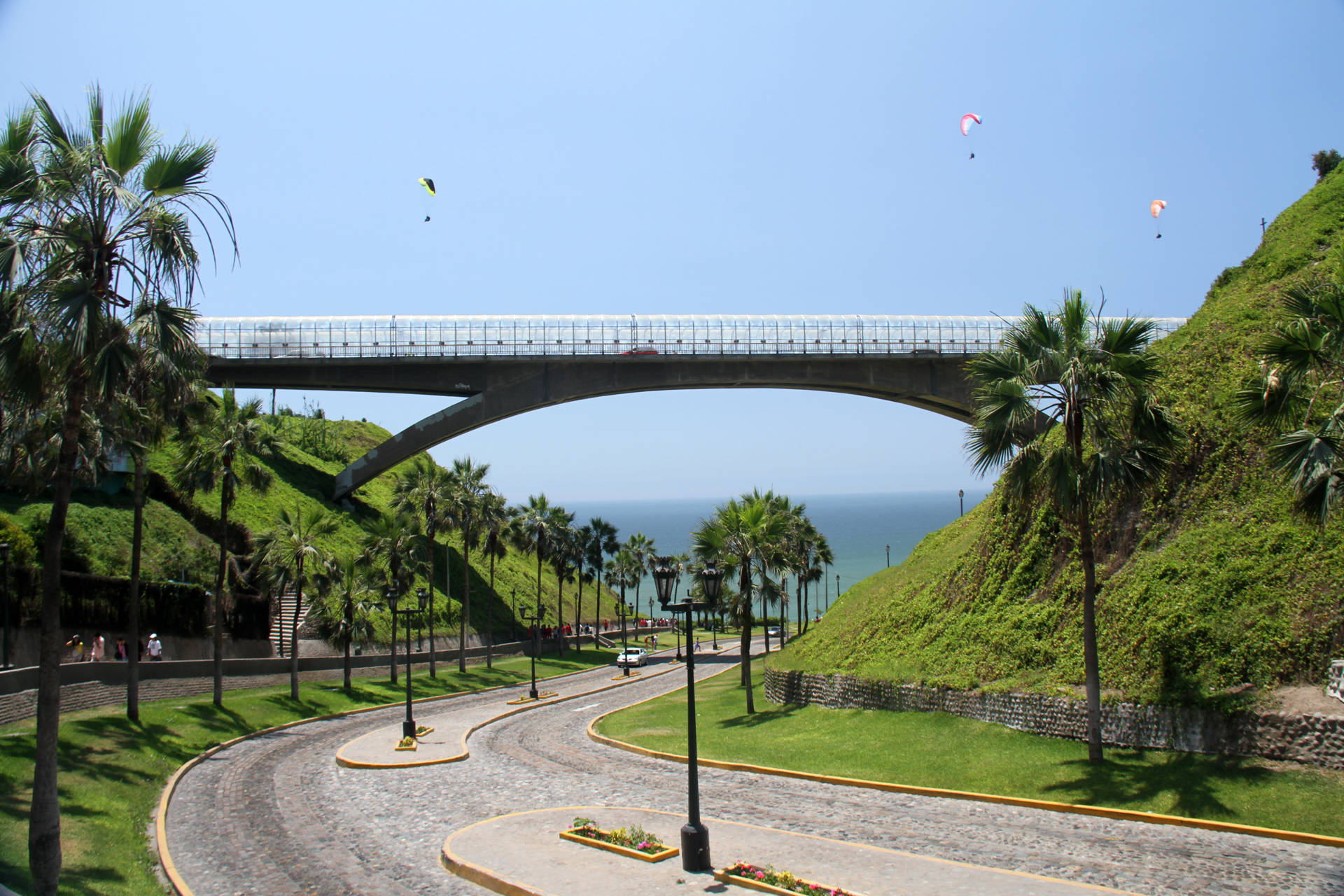
Miraflores is Lima’s most open and contemporary face—a district where the city meets the ocean and urban rhythm finds a particular balance between movement, order, and landscape. It is not a neighborhood defined by a single identity. Here, green spaces, residential areas, cultural corners, and an active everyday life unfold along the Pacific coastline. For travelers arriving in Peru through Arajet’s destination network and wondering what to do in Lima efficiently—without sacrificing quality or context—Miraflores offers a complete experience that reveals the city from a modern, well-connected perspective.
Important information before your visit
- Distance from central Lima: approximately 8 kilometers.
- Estimated travel time: 30 to 45 minutes, depending on traffic.
- Admission: free, as it is an open district with public spaces.
- Recommended visiting hours: throughout the day.
- Best time to go: morning or sunset, when light and weather are most pleasant.
The ideal amount of time to explore Miraflores depends on your pace. A basic walk may take one to two hours, while a more complete experience—combining coastal strolls, parks, and residential streets—can easily extend to half a day. In every case, the district adapts well to the time available and never feels rushed.
One of Miraflores’ greatest assets is its abundance of green space. Parks are not isolated features; they are woven into the urban fabric. These areas provide natural pauses during your walk, offering places to sit, observe, and rest without leaving the neighborhood. Their constant presence reinforces the feeling of balance and makes the environment feel human and livable.
Culturally, Miraflores presents a diverse and active Lima. People of different ages and backgrounds use public spaces throughout the day, creating an atmosphere that is dynamic yet orderly. This coexistence offers a direct reading of local lifestyle, where urban space functions not only as a transit zone but also as a place of gathering and connection.
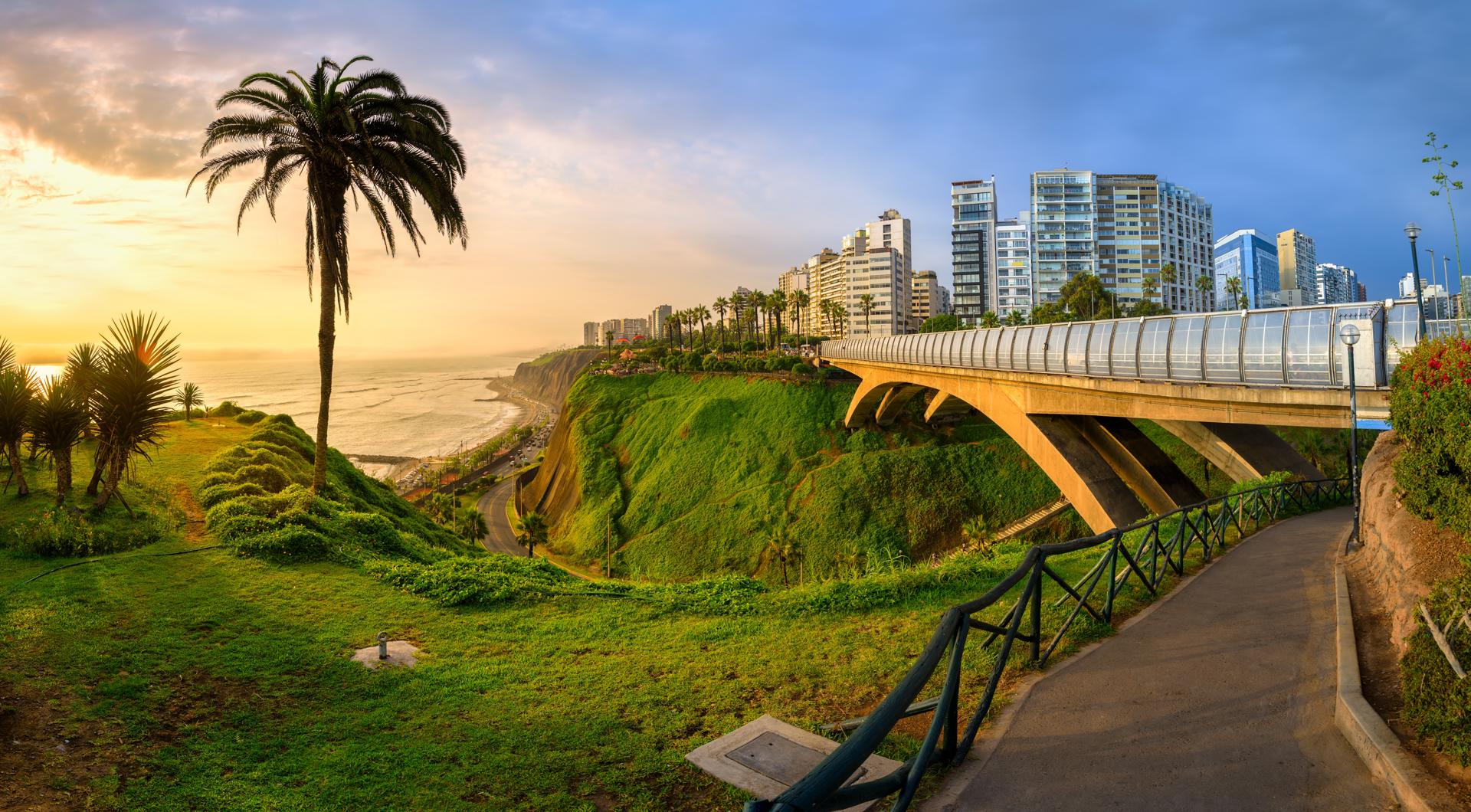
For photography enthusiasts, Miraflores offers varied and expressive settings. Ocean views, elevated parks, quiet streets, and everyday scenes provide opportunities to capture images that convey openness and calm. Sunset light is especially favorable, casting soft tones across the sky and sea, transforming the urban landscape into something almost contemplative.
Preparation is simple. Comfortable footwear is essential for longer walks. Light clothing and sun protection are recommended during the day, particularly near the coast. Bringing an extra layer can be useful during windy or misty moments. No special equipment or reservations are required.
On a deeper level, Miraflores plays a key role in any Lima itinerary: it offers balance. After exploring historic districts or more intense urban areas, this neighborhood allows you to slow down without leaving the city. It is not a break from urban life, but a more breathable version of it.
The district also helps explain Lima’s relationship with its geography. The way the city adapts to cliffs and opens itself to the ocean reveals much about its identity and its ability to coexist with a powerful natural environment. This relationship becomes clear simply by walking, observing, and allowing the landscape to guide your pace.
As the day progresses, Miraflores shifts in character. Morning feels clear and active—ideal for walking and observing. Afternoon brings a more social and relaxed rhythm. At sunset, the district transforms: light softens, the ocean takes center stage, and the atmosphere becomes more introspective. These transitions ensure that even repeat visits feel different.
When leaving Miraflores and heading to other parts of Lima, the city feels more organized and comprehensible. You have experienced a contemporary, connected, and open version of Lima—one that adds context to everything else you will see. That clarity is one of the district’s greatest contributions.
For those flying with Arajet and searching for what to do in Lima in a smart and well-balanced way, Miraflores is an essential stop. Accessible, versatile, and deeply integrated with the coastal landscape, it offers one of the destination’s most complete experiences in a short amount of time. It proves that making the most of your trip also means choosing places where the city breathes, finds order, and reveals itself in harmony with its surroundings.
One of Miraflores’ greatest assets is its abundance of green space. Parks are not isolated features; they are woven into the urban fabric. These areas provide natural pauses during your walk, offering places to sit, observe, and rest without leaving the neighborhood. Their constant presence reinforces the feeling of balance and makes the environment feel human and livable.
Culturally, Miraflores presents a diverse and active Lima. People of different ages and backgrounds use public spaces throughout the day, creating an atmosphere that is dynamic yet orderly. This coexistence offers a direct reading of local lifestyle, where urban space functions not only as a transit zone but also as a place of gathering and connection.
For photography enthusiasts, Miraflores offers varied and expressive settings. Ocean views, elevated parks, quiet streets, and everyday scenes provide opportunities to capture images that convey openness and calm. Sunset light is especially favorable, casting soft tones across the sky and sea, transforming the urban landscape into something almost contemplative.
Preparation is simple. Comfortable footwear is essential for longer walks. Light clothing and sun protection are recommended during the day, particularly near the coast. Bringing an extra layer can be useful during windy or misty moments. No special equipment or reservations are required.
On a deeper level, Miraflores plays a key role in any Lima itinerary: it offers balance. After exploring historic districts or more intense urban areas, this neighborhood allows you to slow down without leaving the city. It is not a break from urban life, but a more breathable version of it.
The district also helps explain Lima’s relationship with its geography. The way the city adapts to cliffs and opens itself to the ocean reveals much about its identity and its ability to coexist with a powerful natural environment. This relationship becomes clear simply by walking, observing, and allowing the landscape to guide your pace.
As the day progresses, Miraflores shifts in character. Morning feels clear and active—ideal for walking and observing. Afternoon brings a more social and relaxed rhythm. At sunset, the district transforms: light softens, the ocean takes center stage, and the atmosphere becomes more introspective. These transitions ensure that even repeat visits feel different.
When leaving Miraflores and heading to other parts of Lima, the city feels more organized and comprehensible. You have experienced a contemporary, connected, and open version of Lima—one that adds context to everything else you will see. That clarity is one of the district’s greatest contributions.
For those flying with Arajet and searching for what to do in Lima in a smart and well-balanced way, Miraflores is an essential stop. Accessible, versatile, and deeply integrated with the coastal landscape, it offers one of the destination’s most complete experiences in a short amount of time. It proves that making the most of your trip also means choosing places where the city breathes, finds order, and reveals itself in harmony with its surroundings.