
From the moment you pass through the main entrance and walk along the shaded pathway, anticipation builds. The low, dry forest of the Yucatán Peninsula surrounds the trail, creating a gradual transition between present and past. Suddenly, the space opens—and there it stands: the complex’s most iconic structure, the pyramid known as El Castillo, or the Temple of Kukulkán.
The first impression is one of perfect symmetry. The pyramid rises with clean lines and mathematically precise proportions. Its four staircases, aligned with the cardinal directions, and its nine stepped terraces reflect advanced astronomical and calendrical knowledge. Every detail was designed with symbolic intention.
Historically, Chichén Itzá reached its height between the 9th and 13th centuries. It served as a major political, religious, and commercial center with significant influence across the Maya region. Its strategic location facilitated trade and cultural exchange, making it a cosmopolitan city for its time.
From a sensory perspective, walking through Chichén Itzá combines vast openness with solemnity. Caribbean sunlight illuminates the limestone structures, producing pale tones that contrast vividly with the surrounding greenery. The wind moves freely across the open esplanade, adding subtle motion to the scene. The prevailing sound is the soft murmur of visitors moving slowly, absorbed by the scale of the site.
One of the most fascinating phenomena associated with El Castillo occurs during the equinoxes, when the interplay of light and shadow creates the illusion of a serpent descending along the northern staircase. This visual effect confirms the Maya’s sophisticated astronomical knowledge and their seamless integration of architecture and cosmology.
Beyond the main pyramid, the complex features equally impressive structures. The Great Ball Court—one of the largest in Mesoamerica—astonishes visitors with its scale and remarkable acoustics, allowing even a whisper to travel across long distances. The Temple of the Warriors, with its rows of aligned columns, suggests the ceremonial and military organization of the city.
From a time-efficiency standpoint, visiting Chichén Itzá requires strategic planning due to its distance from Cancun. Departing early in the morning is essential to avoid traffic and intense midday heat. A well-organized visit allows travelers to explore the main highlights in approximately three to four hours, while a more in-depth exploration may extend to five hours within the site.
For travelers who value clear logistics and practical planning, consider the following details:
Chichen Itza
Cancún, MX
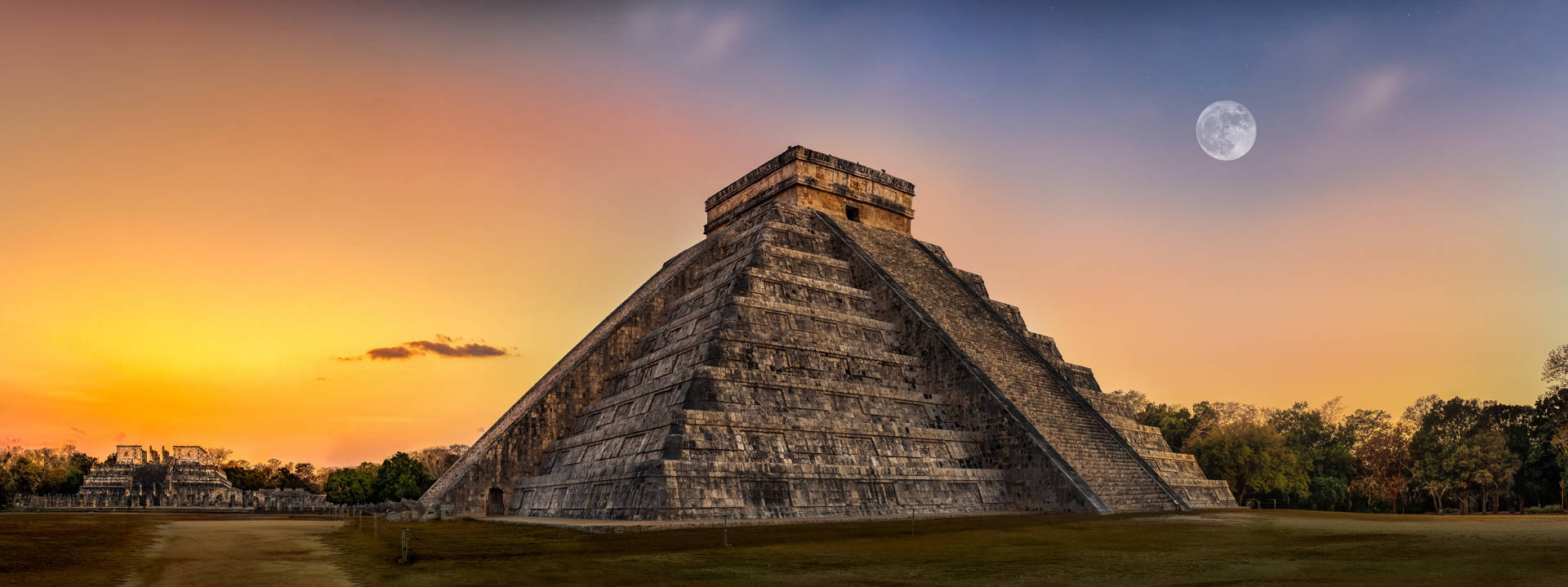
Just over two hours from Cancun lies one of the most iconic archaeological sites on the planet—and one of the New Seven Wonders of the World: Chichén Itzá. This ancient Maya ceremonial center is far more than a historical excursion; it is a monumental experience that brings together astronomy, architecture, symbolism, and political power within a single open space beneath the skies of southeastern Mexico. For travelers arriving through Arajet’s growing destination network and wondering what to do in Cancun beyond the beach, Chichén Itzá offers a strategic, cultural, and profoundly impactful full-day experience that elevates any itinerary.
Important information before your visit
- Location: Municipality of Tinum, State of Yucatán
- Distance from Cancun: approximately 200 kilometers
- Estimated travel time from Cancun: 2 hours 15 minutes to 2 hours 45 minutes by road.
- Admission: Entrance fee required
- Hours: Generally open daily from morning until mid-afternoon
- Best time to visit: Early morning to avoid peak heat and larger crowds.
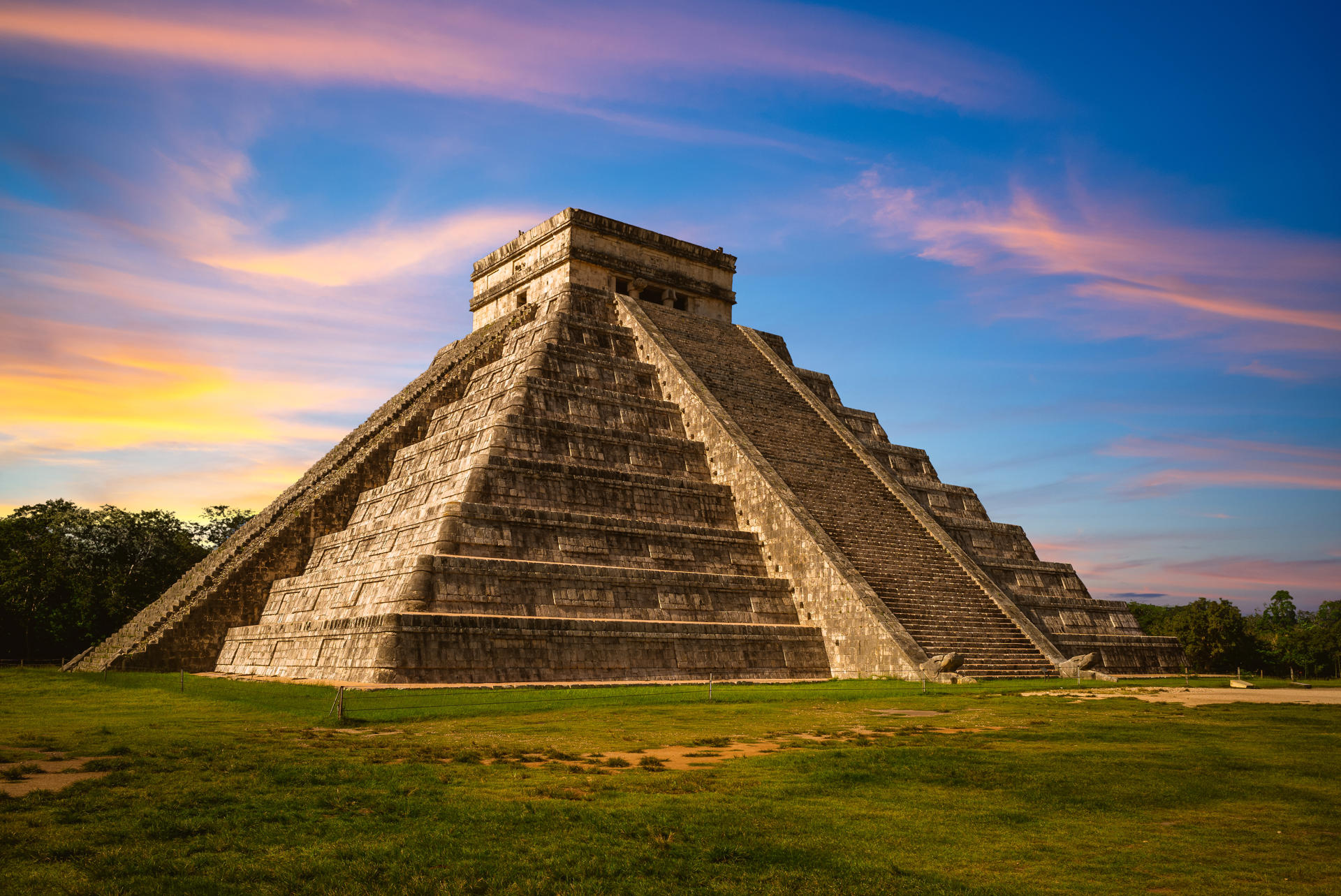
The ideal visit typically includes four to five hours on-site, plus travel time, making it a full-day excursion from Cancun. The historical magnitude of the site more than justifies the time investment.
For photography enthusiasts, Chichén Itzá offers monumental compositions. Capturing El Castillo from a frontal perspective highlights its geometric symmetry. Wide-angle shots of the Great Ball Court emphasize its immense scale. Morning light casts lateral shadows that enhance the texture and relief of the stone carvings.
Preparation is essential. Comfortable footwear is recommended for walking long distances over stone surfaces. Sun protection is indispensable—hat, sunglasses, and sunscreen are crucial under the Yucatán sun. Bringing water helps maintain energy throughout the visit.
Beyond its architectural significance, Chichén Itzá plays a crucial role in understanding the cultural depth of Mexico beyond its coastal beauty. It reveals the mathematical, astronomical, and political sophistication of the Maya civilization centuries before European contact.
The experience also invites reflection. Standing quietly before the main pyramid, observing its geometric precision against the open sky, often evokes a sense of connection to deep time. Each stone was placed centuries ago, yet the structure retains its commanding presence.
As you return to Cancun, the turquoise coastline feels different. The contrast between Caribbean beaches and ancient ruins highlights the extraordinary diversity of southeastern Mexico.
For those flying with Arajet and planning what to do in Cancun in a smart, cultural, and well-organized way, Chichén Itzá is an essential experience. Monumental, historic, and accessible within a day trip, it offers one of the most powerful archaeological encounters in the world. It proves that making the most of your time sometimes means dedicating a full day to walking among ancestral temples, understanding the Maya legacy, and returning to the Caribbean with a deeper perspective on the history that shaped this remarkable region of Mexico.
For photography enthusiasts, Chichén Itzá offers monumental compositions. Capturing El Castillo from a frontal perspective highlights its geometric symmetry. Wide-angle shots of the Great Ball Court emphasize its immense scale. Morning light casts lateral shadows that enhance the texture and relief of the stone carvings.
Preparation is essential. Comfortable footwear is recommended for walking long distances over stone surfaces. Sun protection is indispensable—hat, sunglasses, and sunscreen are crucial under the Yucatán sun. Bringing water helps maintain energy throughout the visit.
Beyond its architectural significance, Chichén Itzá plays a crucial role in understanding the cultural depth of Mexico beyond its coastal beauty. It reveals the mathematical, astronomical, and political sophistication of the Maya civilization centuries before European contact.
The experience also invites reflection. Standing quietly before the main pyramid, observing its geometric precision against the open sky, often evokes a sense of connection to deep time. Each stone was placed centuries ago, yet the structure retains its commanding presence.
As you return to Cancun, the turquoise coastline feels different. The contrast between Caribbean beaches and ancient ruins highlights the extraordinary diversity of southeastern Mexico.
For those flying with Arajet and planning what to do in Cancun in a smart, cultural, and well-organized way, Chichén Itzá is an essential experience. Monumental, historic, and accessible within a day trip, it offers one of the most powerful archaeological encounters in the world. It proves that making the most of your time sometimes means dedicating a full day to walking among ancestral temples, understanding the Maya legacy, and returning to the Caribbean with a deeper perspective on the history that shaped this remarkable region of Mexico.