
The Córdoba Cathedral is one of the oldest churches in the country, and its construction spanned several centuries, which explains the richness and diversity of its architecture. Rather than adhering to a single style, the building is the result of historical layers that coexist in dialogue. Colonial elements blend with Baroque details and neoclassical touches, creating a composition that reflects the different stages of the city’s development. This mixture does not feel chaotic, but organic—as if each era left its mark naturally and harmoniously.
From the outside, the cathedral stands with solid serenity. Its towers and domes rise above the central plaza, serving as both a visual and symbolic landmark. It is a structure that reveals itself from multiple angles, almost accompanying visitors as they move through the city center. As you approach, the details become clearer: the texture of the stone, the balanced proportions, and the sense of permanence conveyed by its walls.
Crossing the threshold brings an immediate shift in atmosphere. The noise of the city softens, replaced by a more contained environment defined by spacious interiors and soaring ceilings. Light filters in from above in a controlled manner, creating shadows that shift throughout the day. This careful use of light is intentional—it draws the gaze upward and reinforces a sense of introspection, even for those visiting without religious motivation.
Inside, the Córdoba Cathedral invites an unhurried exploration. Each section offers a new detail: altars, columns, sculptures, and decorative elements that speak to different historical periods. There is no need for deep knowledge of art history to appreciate the space; the experience works on a more intuitive level, where scale, relative silence, and light create an immediate impact. It is a place that is felt even before it is fully understood.
Historically, the cathedral has witnessed the growth and transformation of Córdoba. Over the centuries, it has accompanied key moments in the city’s social, political, and cultural life. It has served as a gathering point, a space for celebration, and a site of collective reflection. This historical weight lingers in the air, in the way the building seems to hold the memory of entire generations.
One of the cathedral’s greatest advantages is its strategic location. Naturally integrated into the historic center, it can easily be included in a walking itinerary without requiring long transfers. Its proximity to other landmarks makes it particularly efficient for travelers with limited time who wish to maximize each part of their day.
From a practical standpoint, the visit is simple and accessible—essential for those prioritizing budget-friendly and well-organized travel. Before planning your stop, here are the key details to keep in mind:
Cordoba Cathedral
Córdoba, AR
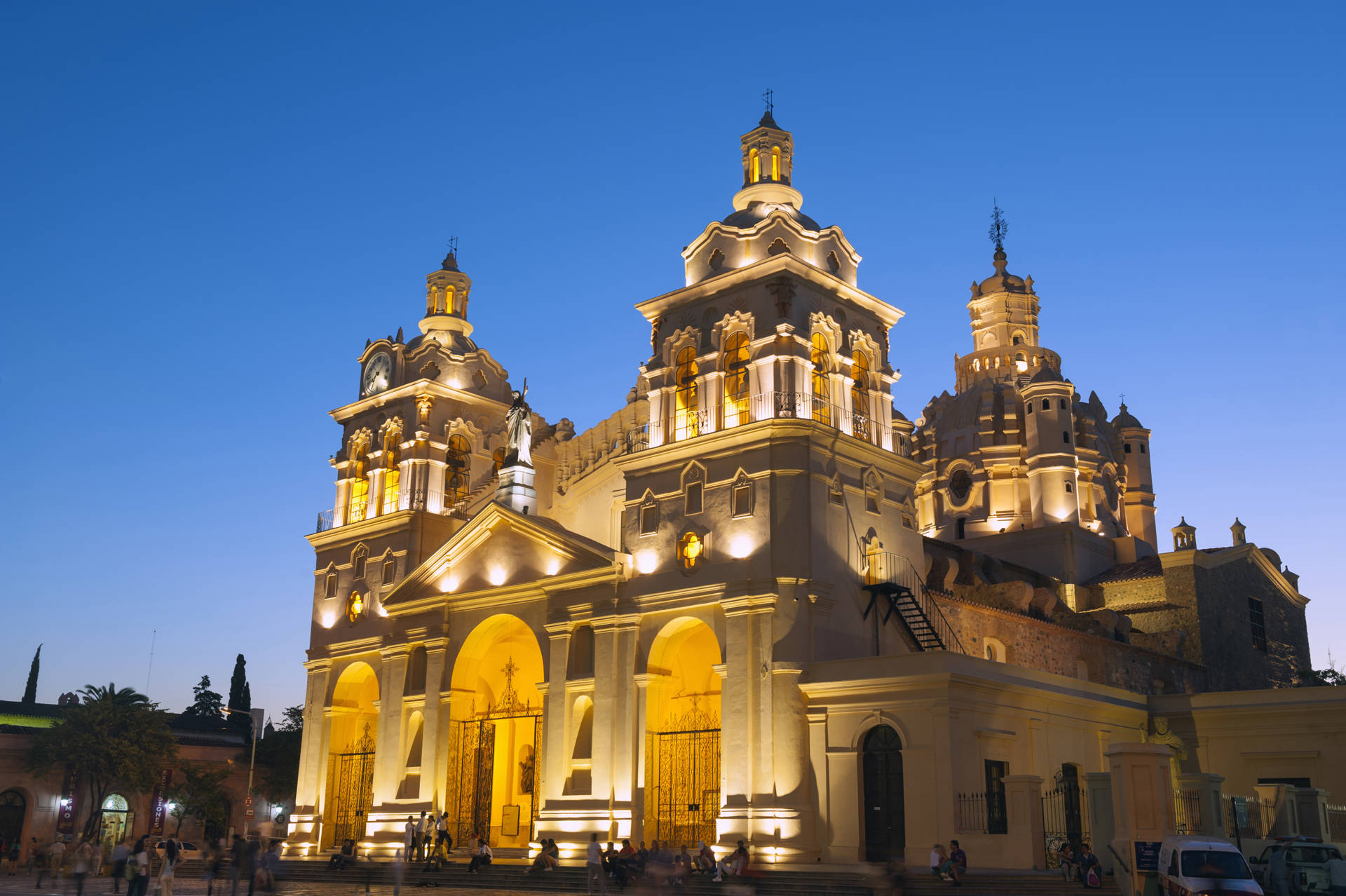
Córdoba is a city where history is not observed from a distance but experienced in motion—among bells, plazas, and façades that have witnessed centuries of transformation. At the heart of this urban fabric rises the Córdoba Cathedral, a building that not only defines the skyline of the historic center but also embodies much of the city’s cultural and spiritual identity. For those arriving in Argentina through Arajet’s destination network and wondering what to do in Córdoba in an efficient and meaningful way, the cathedral is an essential stop—one that offers context, beauty, and historical depth in a single visit.
Important information before your visit
- Distance from downtown Córdoba: located within the central historic area.
- Estimated travel time: accessible on foot from most central points.
- Admission: free, with open access during established hours.
- Recommended visiting hours: during the morning or early afternoon.
- Best time to visit: mid-morning, when visitor flow is lighter and interior light is especially favorable.
A full visit can be completed in approximately one hour, although those who wish to linger can easily extend their time. This flexibility is one of its strengths: the cathedral adapts equally well to a quick stop or a more contemplative experience, without either feeling incomplete.
On a sensory level, the space offers a rich yet balanced experience. The sound of footsteps echoes gently, reinforcing the perception of openness. The air feels cooler than outside, providing a pleasant physical pause during a day of urban exploration. The combination of stone, light, and quiet creates an environment that naturally slows your pace and encourages attentive observation.
For photography enthusiasts, the Córdoba Cathedral presents compelling opportunities—always with a respectful approach. The interior architecture allows for creative use of symmetry, vertical lines, and contrasts between light and shadow. Morning hours tend to provide softer illumination, ideal for capturing the atmosphere without harsh contrasts. From the outside, the relationship between the cathedral and the surrounding plaza offers wide compositions that place the building within the rhythm of urban life.
In terms of preparation, no special arrangements are necessary. Comfortable clothing and suitable walking shoes are sufficient. As it remains an active space, maintaining a respectful and quiet demeanor enhances both the personal experience and that of others. Bringing water is always advisable, particularly if the cathedral is part of a broader walking tour of the city center.
From a time-management perspective, the Córdoba Cathedral serves a key purpose within any visit: it provides a meaningful pause. It is not merely a site to check off a list, but a space that helps you understand the city from a deeper dimension. After visiting, nearby streets, plazas, and buildings take on new significance, appearing as part of a larger historical and cultural narrative.
The cathedral also acts as a point of balance within an itinerary. After more dynamic activities or intensive sightseeing, spending time here allows you to regain energy and refocus your travel experience. It does not exhaust—it recenters, both physically and mentally.
As you move through its interior, it becomes clear that the Córdoba Cathedral is not frozen in the past. Despite its long history, it remains a living space, integrated into the daily rhythm of the city. This continuity between past and present reinforces its relevance and makes it a place where history is not merely explained—it is experienced.
Stepping back into the plaza, the contrast is immediate. Urban movement returns, sounds intensify, and everyday life resumes its pace. Yet the visit leaves a lasting impression—a sense of having accessed a deeper layer of the city. It is an experience measured not by the amount of information absorbed, but by the clarity it brings to the journey as a whole.
For those flying with Arajet and searching for what to do in Córdoba in a smart and well-planned way, the Córdoba Cathedral is an essential stop. Accessible, free, and rich in meaning, it offers a complete experience within a reasonable timeframe. It is a clear reminder that making the most of your time does not always mean moving faster—it sometimes means knowing when to pause and let a place tell its story.
On a sensory level, the space offers a rich yet balanced experience. The sound of footsteps echoes gently, reinforcing the perception of openness. The air feels cooler than outside, providing a pleasant physical pause during a day of urban exploration. The combination of stone, light, and quiet creates an environment that naturally slows your pace and encourages attentive observation.
For photography enthusiasts, the Córdoba Cathedral presents compelling opportunities—always with a respectful approach. The interior architecture allows for creative use of symmetry, vertical lines, and contrasts between light and shadow. Morning hours tend to provide softer illumination, ideal for capturing the atmosphere without harsh contrasts. From the outside, the relationship between the cathedral and the surrounding plaza offers wide compositions that place the building within the rhythm of urban life.
In terms of preparation, no special arrangements are necessary. Comfortable clothing and suitable walking shoes are sufficient. As it remains an active space, maintaining a respectful and quiet demeanor enhances both the personal experience and that of others. Bringing water is always advisable, particularly if the cathedral is part of a broader walking tour of the city center.
From a time-management perspective, the Córdoba Cathedral serves a key purpose within any visit: it provides a meaningful pause. It is not merely a site to check off a list, but a space that helps you understand the city from a deeper dimension. After visiting, nearby streets, plazas, and buildings take on new significance, appearing as part of a larger historical and cultural narrative.
The cathedral also acts as a point of balance within an itinerary. After more dynamic activities or intensive sightseeing, spending time here allows you to regain energy and refocus your travel experience. It does not exhaust—it recenters, both physically and mentally.
As you move through its interior, it becomes clear that the Córdoba Cathedral is not frozen in the past. Despite its long history, it remains a living space, integrated into the daily rhythm of the city. This continuity between past and present reinforces its relevance and makes it a place where history is not merely explained—it is experienced.
Stepping back into the plaza, the contrast is immediate. Urban movement returns, sounds intensify, and everyday life resumes its pace. Yet the visit leaves a lasting impression—a sense of having accessed a deeper layer of the city. It is an experience measured not by the amount of information absorbed, but by the clarity it brings to the journey as a whole.
For those flying with Arajet and searching for what to do in Córdoba in a smart and well-planned way, the Córdoba Cathedral is an essential stop. Accessible, free, and rich in meaning, it offers a complete experience within a reasonable timeframe. It is a clear reminder that making the most of your time does not always mean moving faster—it sometimes means knowing when to pause and let a place tell its story.