
The Jesuit Block is not a single building, but an urban ensemble that preserves the imprint of the Society of Jesus since the 17th century. Here, one of the most influential educational, religious, and cultural projects in South America was established, giving rise to institutions that shaped the intellectual development of the region for centuries. Walking through this space today means exploring the foundational core of Córdoba—a place where time seems layered, visible in stone and structure.
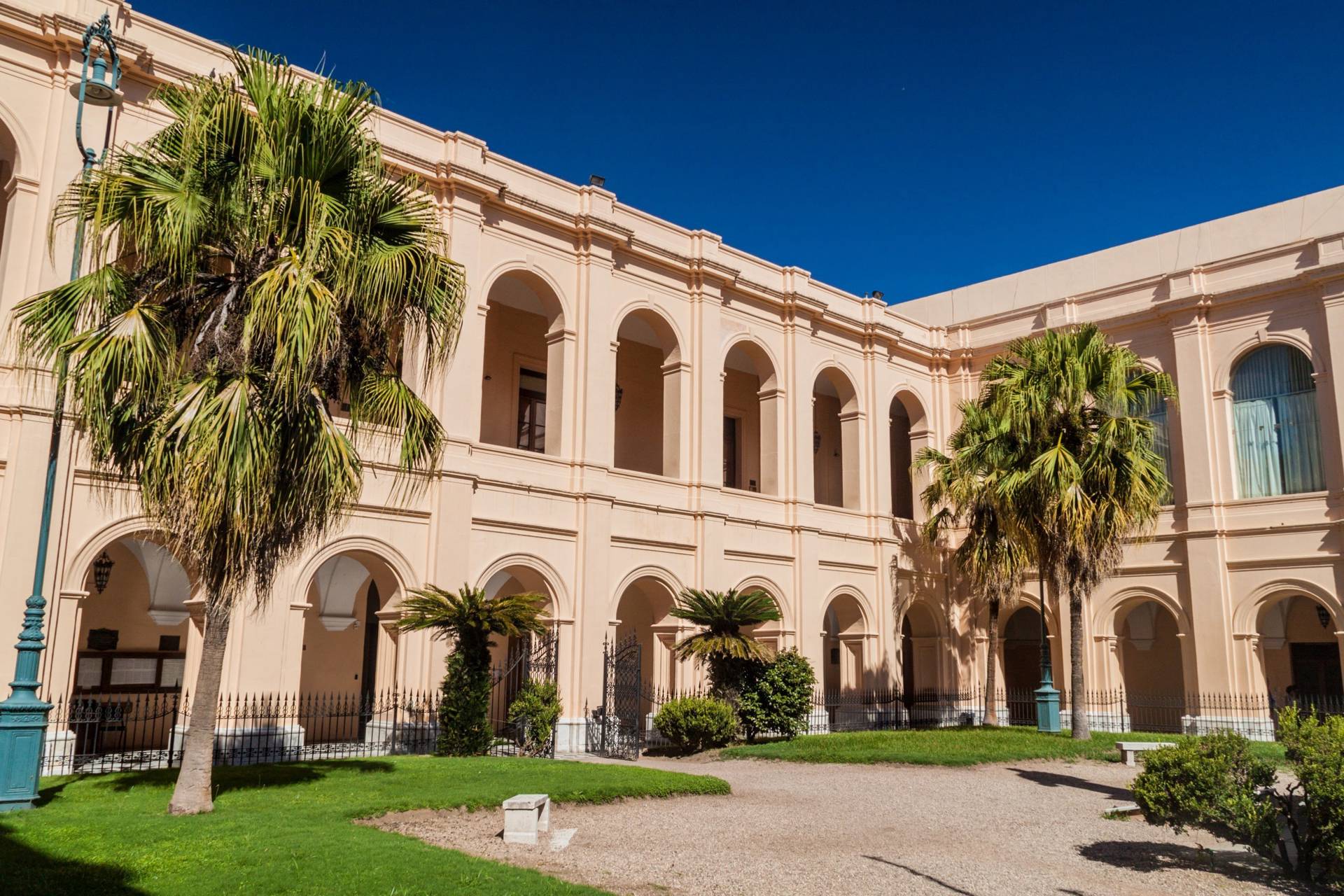
From the very beginning, the environment conveys solidity and coherence. Stone constructions, thick walls, and balanced proportions reflect an architecture designed to endure and to project intellectual and spiritual authority. There is no excessive ornamentation or dramatic display; everything responds to a functional and symbolic logic. This sobriety makes the experience clear and direct, ideal for travelers who want to understand a place without unnecessary detours.
The history of the Jesuit Block is deeply intertwined with the educational development of the region. From here, a model of learning was promoted that attracted students from across the continent, turning Córdoba into a leading intellectual center long before other cities assumed that role. That legacy is still tangible today in the atmosphere of the area, where the constant presence of students and academics keeps the original vocation of the complex alive.
Exploring the Jesuit Block does not require complex preparation or a strict agenda. Its greatest advantage is concentration: within a compact area, centuries of history, architecture, and thought converge. This makes it an ideal visit for travelers with limited time in the city or those who wish to integrate a profound cultural experience without sacrificing the rest of their day.
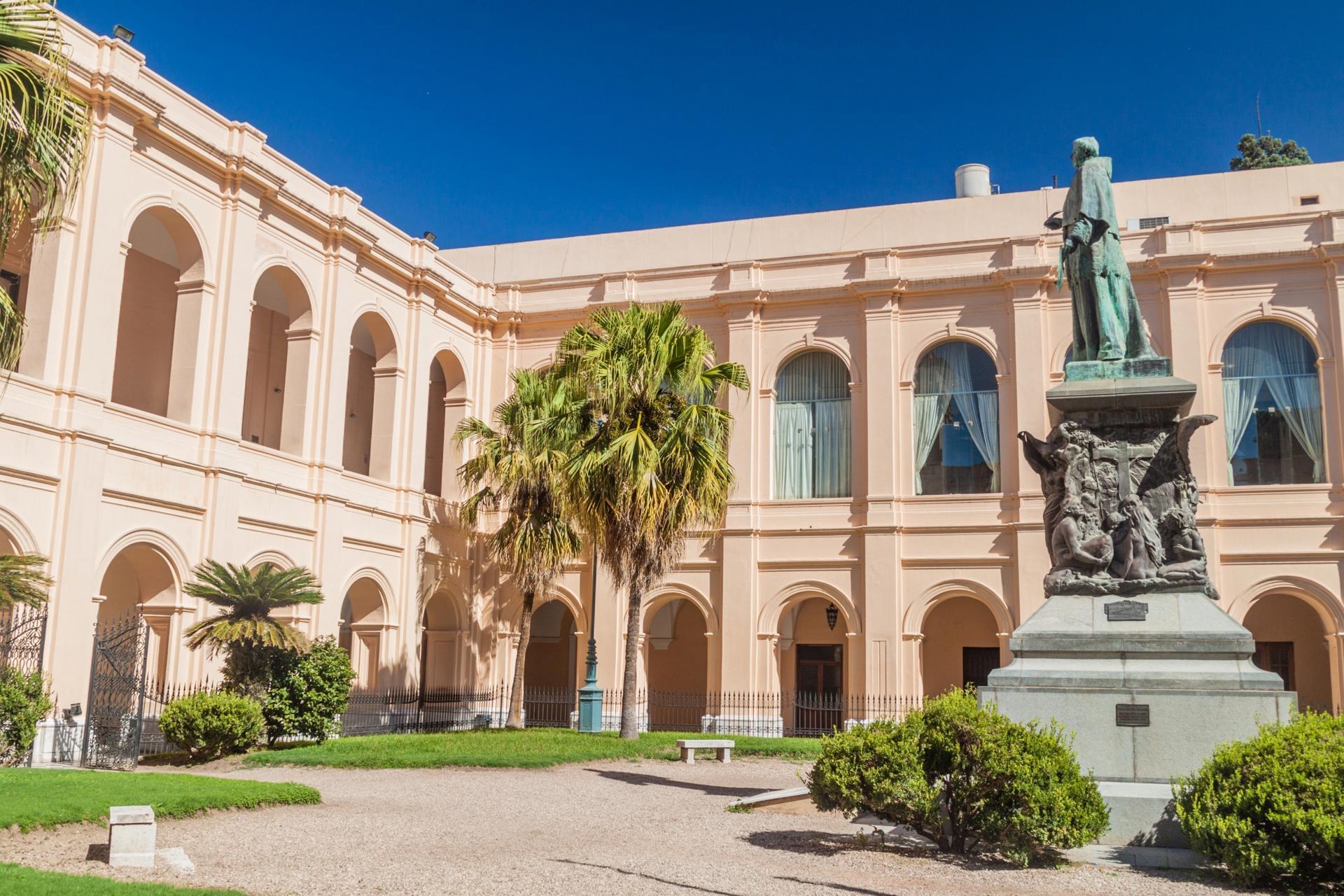
The walk unfolds naturally, almost intuitively. Interior courtyards invite you to pause, observe the geometry of the space, and notice how the sound shifts as you step away from urban traffic. There is a consistent sense of quiet reflection, even when the surrounding city remains active. It is a place that manages to create distance from noise without disconnecting from the city itself, producing a unique balance.
On a sensory level, the experience is subtle yet constant. The echo of footsteps across the ground, the shade provided by ancient walls, and the controlled way light enters patios and corridors create an atmosphere conducive to contemplation. It is not a space that overwhelms with stimuli; on the contrary, it encourages careful observation and unhurried movement.
Historically, the Jesuit Block offers insight into how urban, educational, and religious life was organized during the colonial period. Beyond dates and names, what emerges is a vision of knowledge as the central axis of social development. This perspective resonates strongly with contemporary travelers, especially in a city whose identity remains deeply linked to its academic tradition.
One of the greatest strengths of the site is its adaptability. Visitors with limited time can complete a general tour and gain a clear understanding of the complex. Those who choose to explore more deeply will discover architectural, symbolic, and spatial details that enrich the experience. This flexibility makes it both efficient and rewarding.
From a practical standpoint, the Jesuit Block benefits from a privileged location within Córdoba’s historic center. It can easily be incorporated into a walking itinerary and combined with nearby points of interest without requiring additional transportation. For travelers who value clear logistics and budget-friendly travel, here are the key details to keep in mind:
Jesuit Block
Córdoba, AR
Córdoba is a city best discovered by walking and listening, allowing history to reveal itself naturally between plazas, church bells, and centuries-old façades. Within this urban fabric—where students, tradition, and contemporary rhythm coexist—the Jesuit Block stands as the point where it all began. For those arriving in Argentina through Arajet’s destination network and searching for what to do in Córdoba in an efficient and meaningful way, this historic complex offers one of the country’s most complete cultural experiences, concentrated within just a few blocks and perfectly adaptable to tight itineraries.
Important information before your visit
- Distance from downtown Córdoba: located within the central area of the city.
- Estimated travel time: accessible on foot from most central points.
- Admission: free or very affordable, depending on the areas visited.
- Recommended visiting hours: during the morning or early afternoon.
- Best time to visit: mid-morning, when there are fewer visitors and natural light enhances the interior courtyards.
A complete visit can be comfortably accomplished in approximately an hour and a half, making it a perfect way to start the day or to insert a cultural pause between other activities. This duration allows enough time to explore the complex, read available information, and absorb the atmosphere without feeling rushed.
For photography enthusiasts, the Jesuit Block offers a sober and elegant setting. It is not defined by vibrant colors, but by lines, textures, and gentle contrasts. Interior courtyards, arches, and stone façades provide balanced compositions that convey calm and historical depth. Morning light, in particular, casts delicate shadows that highlight architectural details.
In terms of preparation, no special requirements are necessary. Comfortable clothing and suitable footwear for walking are sufficient. As the route is largely urban and accessible, it is not physically demanding. Bringing water is always advisable, especially on warm days, although shaded areas throughout the complex offer relief during the walk.
From a time-management perspective, the Jesuit Block plays a key role in a Córdoba itinerary: it provides context. It helps visitors understand why the city is shaped as it is, why knowledge occupies such a central place in its identity, and how its past continues to influence its present. This understanding makes the rest of the city feel more coherent and meaningful.
As you move through the complex, it becomes evident that this is not a space frozen in time. Although it preserves its original structure, it remains an active part of the city. That continuity between past and present is one of its greatest values, allowing visitors to feel connected to a story that is still unfolding.
By the end of the visit, the lingering sensation is one of clarity. The Jesuit Block does not attempt to impress with extreme grandeur or complicated narratives. Its strength lies in coherence—in how everything fits together and conveys significance without exaggeration. It is an experience that settles quietly and leaves a lasting impression.
For those flying with Arajet and looking for what to do in Córdoba in a smart and meaningful way, the Jesuit Block is an essential choice. It requires no long transfers, does not consume an entire day, and offers one of Argentina’s deepest cultural experiences within a compact space. It proves that making the most of your time does not always mean seeing more places—it means understanding more deeply the ones that truly define a destination.
For photography enthusiasts, the Jesuit Block offers a sober and elegant setting. It is not defined by vibrant colors, but by lines, textures, and gentle contrasts. Interior courtyards, arches, and stone façades provide balanced compositions that convey calm and historical depth. Morning light, in particular, casts delicate shadows that highlight architectural details.
In terms of preparation, no special requirements are necessary. Comfortable clothing and suitable footwear for walking are sufficient. As the route is largely urban and accessible, it is not physically demanding. Bringing water is always advisable, especially on warm days, although shaded areas throughout the complex offer relief during the walk.
From a time-management perspective, the Jesuit Block plays a key role in a Córdoba itinerary: it provides context. It helps visitors understand why the city is shaped as it is, why knowledge occupies such a central place in its identity, and how its past continues to influence its present. This understanding makes the rest of the city feel more coherent and meaningful.
As you move through the complex, it becomes evident that this is not a space frozen in time. Although it preserves its original structure, it remains an active part of the city. That continuity between past and present is one of its greatest values, allowing visitors to feel connected to a story that is still unfolding.
By the end of the visit, the lingering sensation is one of clarity. The Jesuit Block does not attempt to impress with extreme grandeur or complicated narratives. Its strength lies in coherence—in how everything fits together and conveys significance without exaggeration. It is an experience that settles quietly and leaves a lasting impression.
For those flying with Arajet and looking for what to do in Córdoba in a smart and meaningful way, the Jesuit Block is an essential choice. It requires no long transfers, does not consume an entire day, and offers one of Argentina’s deepest cultural experiences within a compact space. It proves that making the most of your time does not always mean seeing more places—it means understanding more deeply the ones that truly define a destination.