
The journey begins in Downtown Boston, where historic government buildings stand alongside modern structures. The red line embedded in the sidewalks serves as a constant guide, eliminating the need for complicated maps. Simply follow the path to move chronologically through some of the most decisive events in the formation of the United States.
Historically, Boston was the epicenter of political tension in the 18th century. Protests against colonial taxation, debates over self-governance, and symbolic acts that ignited the Revolutionary War all unfolded here. The Freedom Trail links sixteen historic sites, including churches, cemeteries, meeting halls, and commemorative landmarks that together tell the story of independence.
From a sensory perspective, the walk blends living history with contemporary city life. Church bells echo between modern buildings. The aroma of coffee drifting from nearby cafés mixes with the salty air blowing in from the harbor. Red-brick façades evoke the colonial architecture that defines Boston’s character.
One of the Trail’s greatest advantages is its walkable scale. The full route spans approximately 2.5 miles (4 kilometers), making it manageable without additional transportation. Even travelers with limited time can complete it comfortably with thoughtful planning.
From a time-efficiency standpoint, the key decision is whether to walk the entire route or focus on a specific section. A smart strategy for tighter itineraries is to explore the southern half in the morning—where several landmark sites are concentrated—and then decide whether to continue north toward the historic neighborhood of Charlestown.
For travelers who value clear logistics and budget-conscious planning, consider these practical details:
Freedom Trail
Boston, US
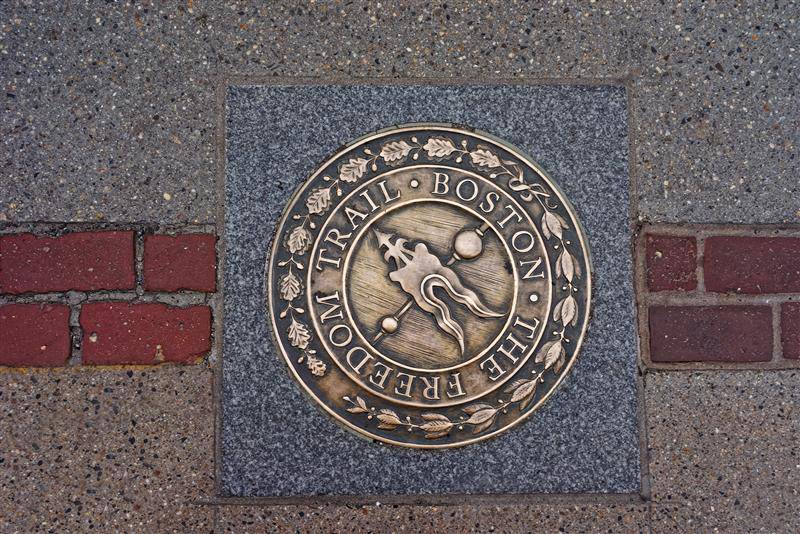
In a city where nearly every street seems to whisper foundational chapters of American history, there is a route that organizes that collective memory into a tangible line beneath your feet: the Freedom Trail. This urban path, marked by a red stripe winding through the heart of Boston, connects some of the most significant sites of the American Revolution in one continuous and perfectly walkable journey. For travelers arriving in Massachusetts through Arajet’s expanding destination network and wondering what to do in Boston while maximizing every minute, the Freedom Trail offers a strategic, educational, and deeply immersive experience that can be completed in half a day or expanded into a full-day exploration depending on your pace.
Important information before your visit
- Location: Historic center of Boston, from Boston Common to Charlestown
- Total length: Approximately 4 kilometers (2.5 miles)
- Distance from Logan International Airport: About 5 kilometers (3 miles) to the starting point
- Estimated travel time from the airport: 15–25 minutes, depending on traffic or public transportation.
- Access: Free; public walking route
- Recommended duration: 3–5 hours for the full walk without extensive interior visits.
- Best time to visit: Spring and fall, or early morning in summer to avoid crowds.
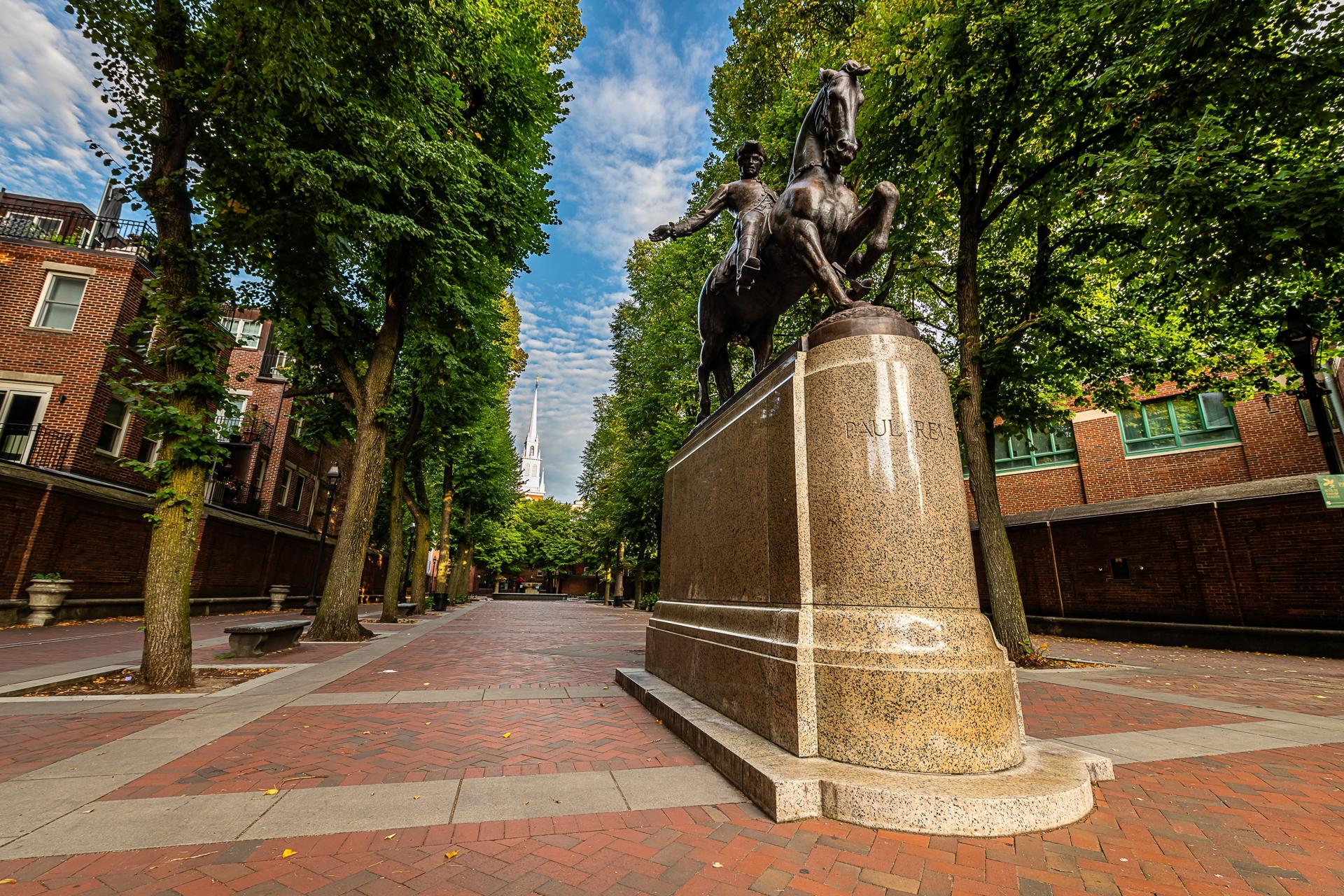
The ideal time to fully experience the Freedom Trail is half a day if you plan to walk at a relaxed pace, take photographs, and read historical signage. Including detailed interior visits to multiple sites can easily extend the experience into a full day.
For photography enthusiasts, the Trail offers a distinctive aesthetic. Colonial churches with white steeples stand in sharp contrast against the blue New England sky. Historic cemeteries, with centuries-old gravestones, create solemn and evocative compositions. Cobblestone streets add texture that reinforces the 18th-century atmosphere.
Walking the Freedom Trail also reveals Boston’s urban evolution. The route transitions from open green spaces like Boston Common to narrow streets lined with brick row houses. This variety keeps the journey dynamic and engaging from beginning to end.
In terms of preparation, comfortable walking shoes are essential, as much of the route covers pavement and cobblestones. Depending on the season, a light jacket may be necessary—especially in spring and fall when weather can shift quickly. Carrying water is advisable during warmer months.
Beyond its historical value, the Freedom Trail plays a crucial role in shaping a visitor’s experience of Boston. It organizes the city in a clear and efficient way. There is no need to improvise routes; the red line serves as a continuous guide, allowing you to focus on the historical narrative rather than logistical details.
One of the most impactful moments comes as you approach the harbor area, where Boston’s maritime heritage becomes unmistakable. The wind blowing in from the Atlantic serves as a reminder of the city’s critical role as a colonial port.
As the path continues north, the environment becomes more residential and tranquil. The streets of historic Charlestown offer a quieter atmosphere, culminating the journey with views of the river and monuments commemorating independence.
By late afternoon, the Freedom Trail takes on a special character. Golden light illuminates brick façades, highlighting textures and architectural details. Shadows cast by church towers and steeples create a contemplative mood that invites reflection on the events that unfolded here centuries ago.
When the walk is complete, the feeling is not simply that you have explored a city, but that you have moved through a defining chapter of American history. It is more than a stroll—it is a linear narrative connecting past and present.
For those flying with Arajet and seeking what to do in Boston in a smart, cultural, and well-organized way, the Freedom Trail is an essential stop. Free, walkable, and strategically designed, it offers one of the most comprehensive historical experiences in the United States in just a few well-spent hours. It proves that making the most of your time also means following a red line through centuries of history, walking among foundational buildings, and understanding how Boston became one of the pillars of American independence.
For photography enthusiasts, the Trail offers a distinctive aesthetic. Colonial churches with white steeples stand in sharp contrast against the blue New England sky. Historic cemeteries, with centuries-old gravestones, create solemn and evocative compositions. Cobblestone streets add texture that reinforces the 18th-century atmosphere.
Walking the Freedom Trail also reveals Boston’s urban evolution. The route transitions from open green spaces like Boston Common to narrow streets lined with brick row houses. This variety keeps the journey dynamic and engaging from beginning to end.
In terms of preparation, comfortable walking shoes are essential, as much of the route covers pavement and cobblestones. Depending on the season, a light jacket may be necessary—especially in spring and fall when weather can shift quickly. Carrying water is advisable during warmer months.
Beyond its historical value, the Freedom Trail plays a crucial role in shaping a visitor’s experience of Boston. It organizes the city in a clear and efficient way. There is no need to improvise routes; the red line serves as a continuous guide, allowing you to focus on the historical narrative rather than logistical details.
One of the most impactful moments comes as you approach the harbor area, where Boston’s maritime heritage becomes unmistakable. The wind blowing in from the Atlantic serves as a reminder of the city’s critical role as a colonial port.
As the path continues north, the environment becomes more residential and tranquil. The streets of historic Charlestown offer a quieter atmosphere, culminating the journey with views of the river and monuments commemorating independence.
By late afternoon, the Freedom Trail takes on a special character. Golden light illuminates brick façades, highlighting textures and architectural details. Shadows cast by church towers and steeples create a contemplative mood that invites reflection on the events that unfolded here centuries ago.
When the walk is complete, the feeling is not simply that you have explored a city, but that you have moved through a defining chapter of American history. It is more than a stroll—it is a linear narrative connecting past and present.
For those flying with Arajet and seeking what to do in Boston in a smart, cultural, and well-organized way, the Freedom Trail is an essential stop. Free, walkable, and strategically designed, it offers one of the most comprehensive historical experiences in the United States in just a few well-spent hours. It proves that making the most of your time also means following a red line through centuries of history, walking among foundational buildings, and understanding how Boston became one of the pillars of American independence.